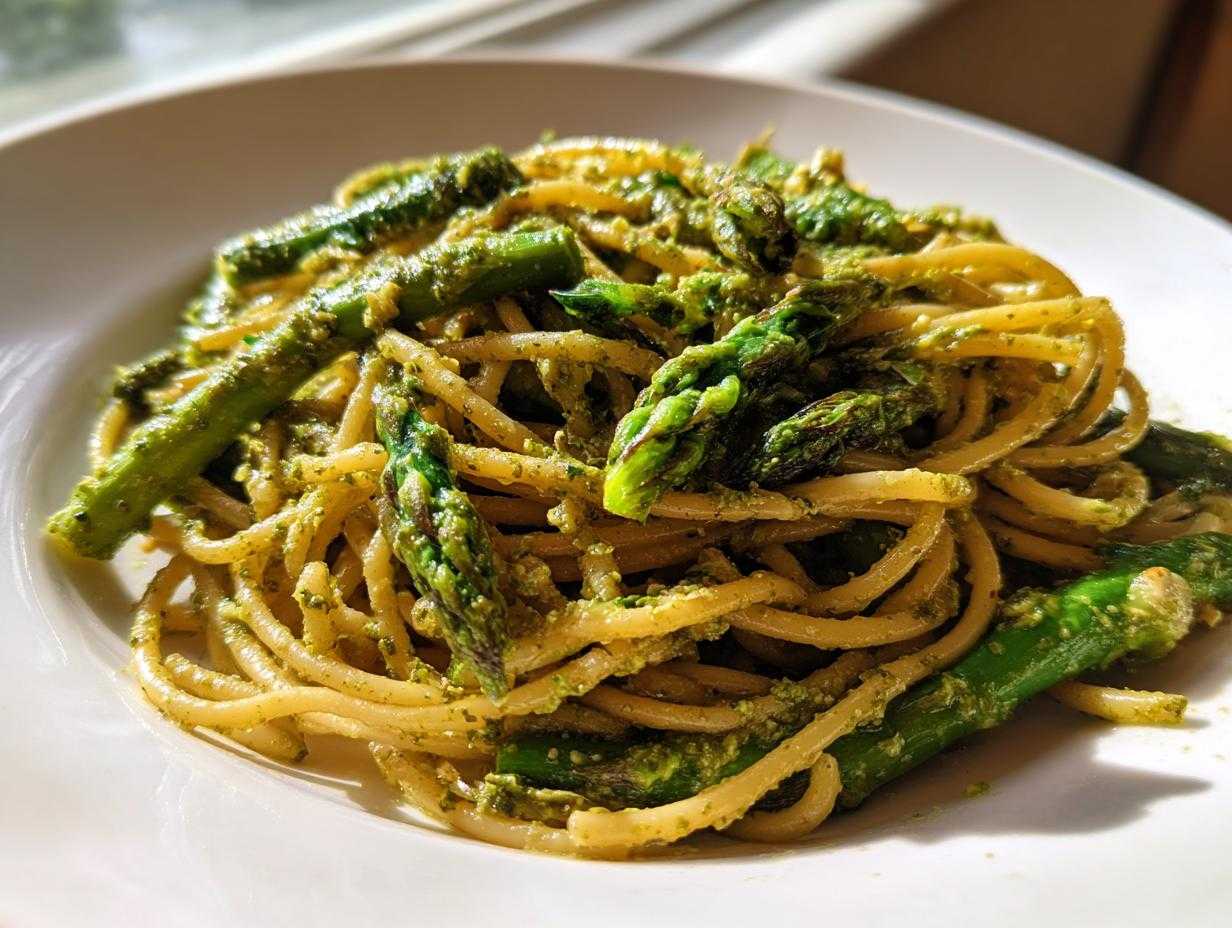
Okay, friends, let’s talk about food that actually feels good! You know how sometimes celebrating big things, like making a mindful choice for our planet, can feel… complicated? Not anymore! I’m obsessed with making sure every meal has a little less waste and a whole lot more flavor, and that’s exactly why this vibrant green wonder became my go-to Earth Day Dinner Pasta. Seriously, this recipe is the definition of spring on a plate.
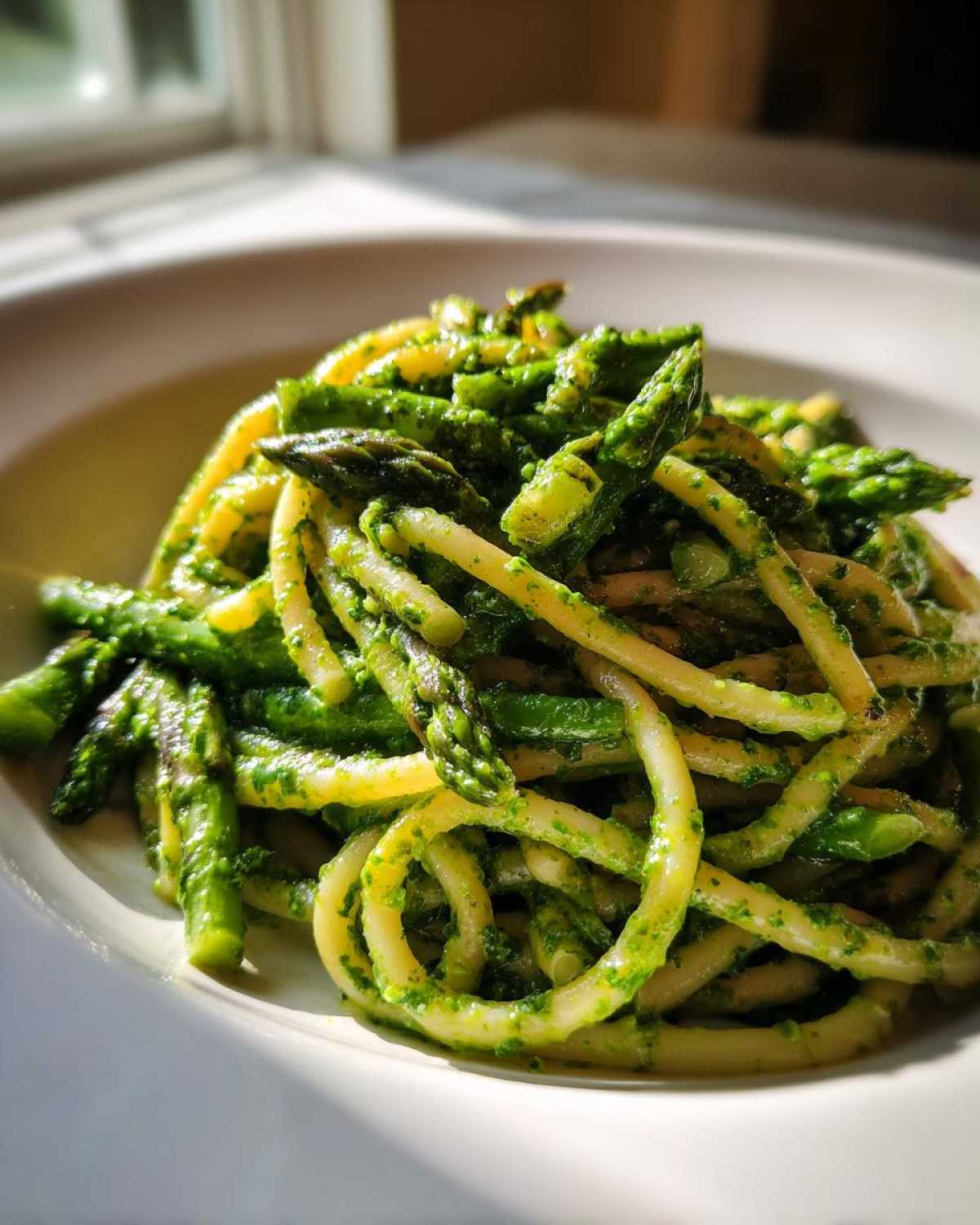
For me, cooking has to connect back to the source. I’ve spent years trying to figure out how to use those sad little bits of herbs or vegetable tops that usually go straight into the compost bin. Well, I finally cracked the code, and I’m slapping it into a creamy, bright pesto sauce. This isn’t just any pasta; it’s a full-on celebration of using every last scrap. You get seasonal asparagus, punchy lemon, and the freshest herbs, all coming together in under 40 minutes. Trust me, once you see how easy it is to make a truly zero-waste sauce, you’ll never look at carrot tops the same way again!
Why This Earth Day Dinner Pasta is a Sustainable Choice (E-E-A-T)
I want you to feel genuinely good about what you’re eating when you make this dish. It’s more than just delicious; it’s truly about cooking with intention. When we look for eco friendly pasta recipes, we need to look past just the ingredients themselves and focus on how we handle them. This recipe really shines because it hits three major points of sustainable cooking, making it one of my favorite low impact dinner recipes.
- It’s almost entirely plant-based, which naturally lowers the meal’s carbon footprint compared to meat-heavy dishes.
- We are focusing hard on seasonal eating by using bright, fresh spring vegetables like asparagus.
- And most importantly, we are tackling kitchen waste head-on with a genius pesto trick!
Zero Waste Pesto: Maximizing Every Ingredient
This is my absolute favorite part, no joke! I used to throw away parsley stems or those slightly wilted tops from my bunch of carrots. Now? They go right into the food processor with the basil. Those tender stems carry so much herbaceous flavor, they basically become free flavor boosters for the pesto. You get that intense, fresh taste usually only associated with expensive, whole herbs. It feels like a little culinary magic trick every time I make it!
Embracing Seasonal Pasta Recipes
Whenever you focus on ingredients that are naturally in season where you live, you’re supporting local farmers and cutting down on food miles—that’s fancy talk for less pollution from shipping things across oceans! Since we are making this a seasonal pasta recipe, the flavors are always at their peak. Right now, that means beautiful, tender asparagus that doesn’t cost an arm and a leg and tastes incredible when roasted.
Gathering Ingredients for Your Earth Day Dinner Pasta
Okay, so we’re done talking about the *why*, now let’s nail down the *what*! Keeping things simple is key to making this an easy weeknight staple, not a huge production. When you shop, try grabbing some organic pasta recipes staples, like good quality whole wheat pasta, to really boost the earth-friendly vibe. I always lay out everything I need on the counter before I even preheat the oven, which helps me catch any forgotten items. Don’t stress if you can’t find exact radish greens; use what you have!
Pasta and Produce
- One pound dried pasta (I highly recommend grabbing whole wheat or certified organic if you can find it!).
- One bunch of asparagus, make sure you trim off those tough woody ends, and then chop the rest into about 1-inch pieces.
- Zest of one whole lemon (save the actual lemon for juicing!).
For the Zero Waste Pesto Base
This is the heart of our low-impact dinner! The greens must be tender—soft herbs or young carrot tops work beautifully, but radish greens are my secret weapon here.
- One cup of fresh, beautiful basil leaves.
- One cup of mixed tender green stems and leaves—think carrot tops, celery leaves, or radish greens. Just make sure they are clean!
- Half a cup of either raw walnuts or traditional pine nuts. Walnuts are usually cheaper and taste fantastic here!
- Two cloves of garlic, peeled.
- Quarter cup of nutritional yeast (for that vegan cheesy flavor) OR grated Parmesan if you prefer dairy.
Pesto Liquids and Seasoning
We need oil for two different jobs here, so measure them out separately so you don’t accidentally pour too much in too soon!
- Two tablespoons of basic olive oil for roasting the veggies.
- Half a cup of high-quality extra virgin olive oil strictly for blending into the pesto sauce.
- A good splash—about a quarter cup—of fresh lemon juice.
- Salt and pepper, just use them generously, tasting as you go!
Step-by-Step Instructions for Earth Day Dinner Pasta
Alright, let’s get cooking! This part moves really fast once you’ve got your ingredients lined up, so stay with me. The beauty of this Earth Day Dinner Pasta is that we multitask like pros. While the oven heats up, we whip up the pesto, which keeps our total hands-on time super low. Don’t worry if your food processor seems loud while making the sauce; that thing is going to work hard for us!
Roasting the Asparagus
First thing’s first: get that oven up to 400°F (200°C). Take those chopped asparagus pieces and toss them with just one tablespoon of olive oil, salt, and a grind of pepper right on your baking sheet. I like them spread out in a single layer so they roast instead of steam. Slide them in and set a timer for 10 to 12 minutes. You want them tender-crisp, not mushy, so check them right around the 10-minute mark. They’re just getting a nice little char!
Preparing the Zero Waste Pesto Sauce
While the asparagus is roasting, it’s time to load up the food processor. Put in the basil, all those yummy green stems and leaves, the nuts, garlic, nutritional yeast or cheese, and lemon juice. Pulse this until everything is looking pretty chopped up. Now, here’s the crucial part for a **green vegetable pasta** sauce that coats nicely: slowly drizzle in that remaining half-cup of extra virgin olive oil while the machine is running. Keep processing until it’s smooth but still has a little texture—we don’t want baby food here! Taste it now and add salt and pepper until it sings. You can always add more later, but you can’t take it out!
Cooking the Pasta and Combining
Next, get your pasta cooking according to the bag. This is non-negotiable: before you even think about draining, scoop out about a full cup of that starchy, cloudy pasta water and set it aside. That water is liquid gold for binding the sauce!
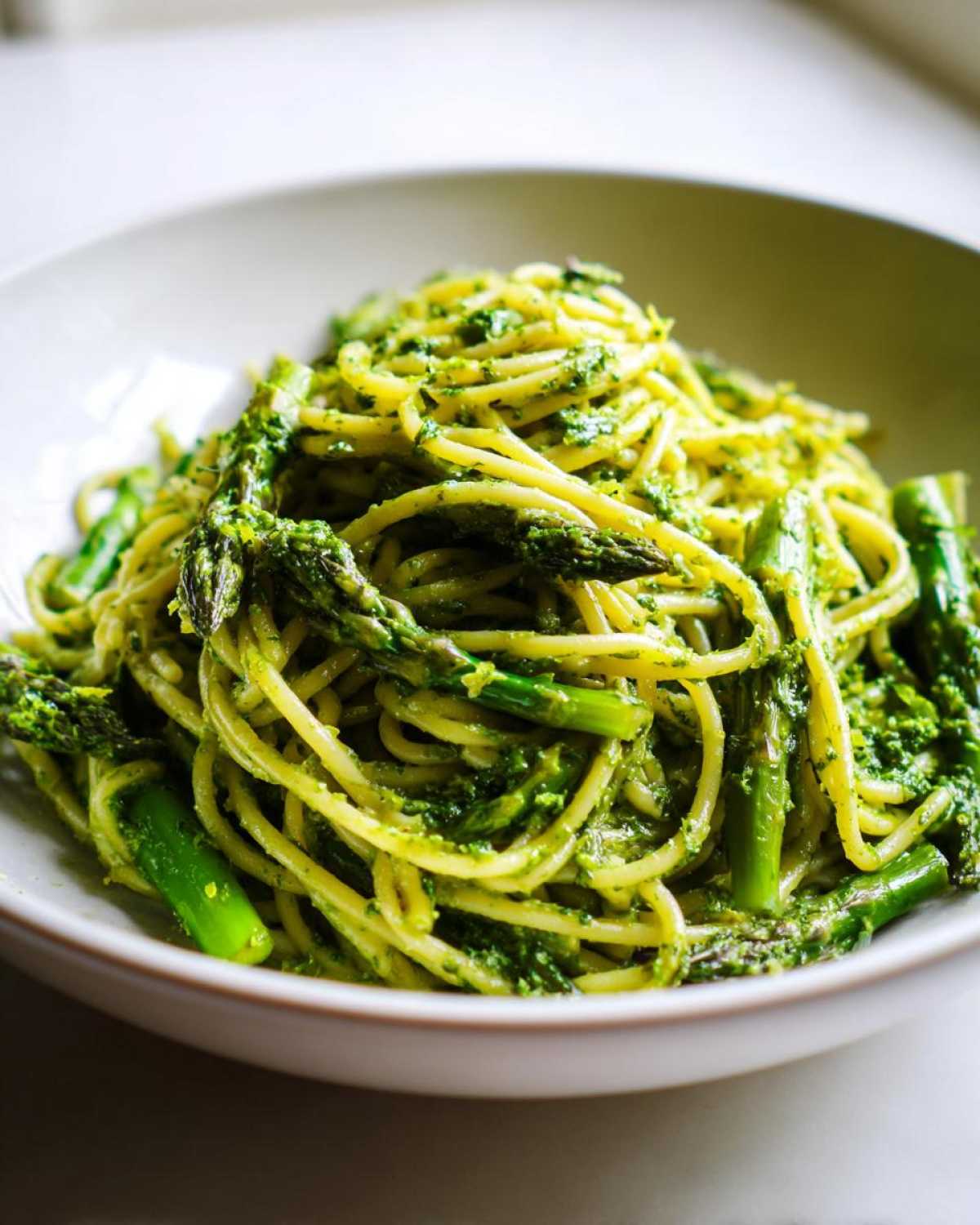
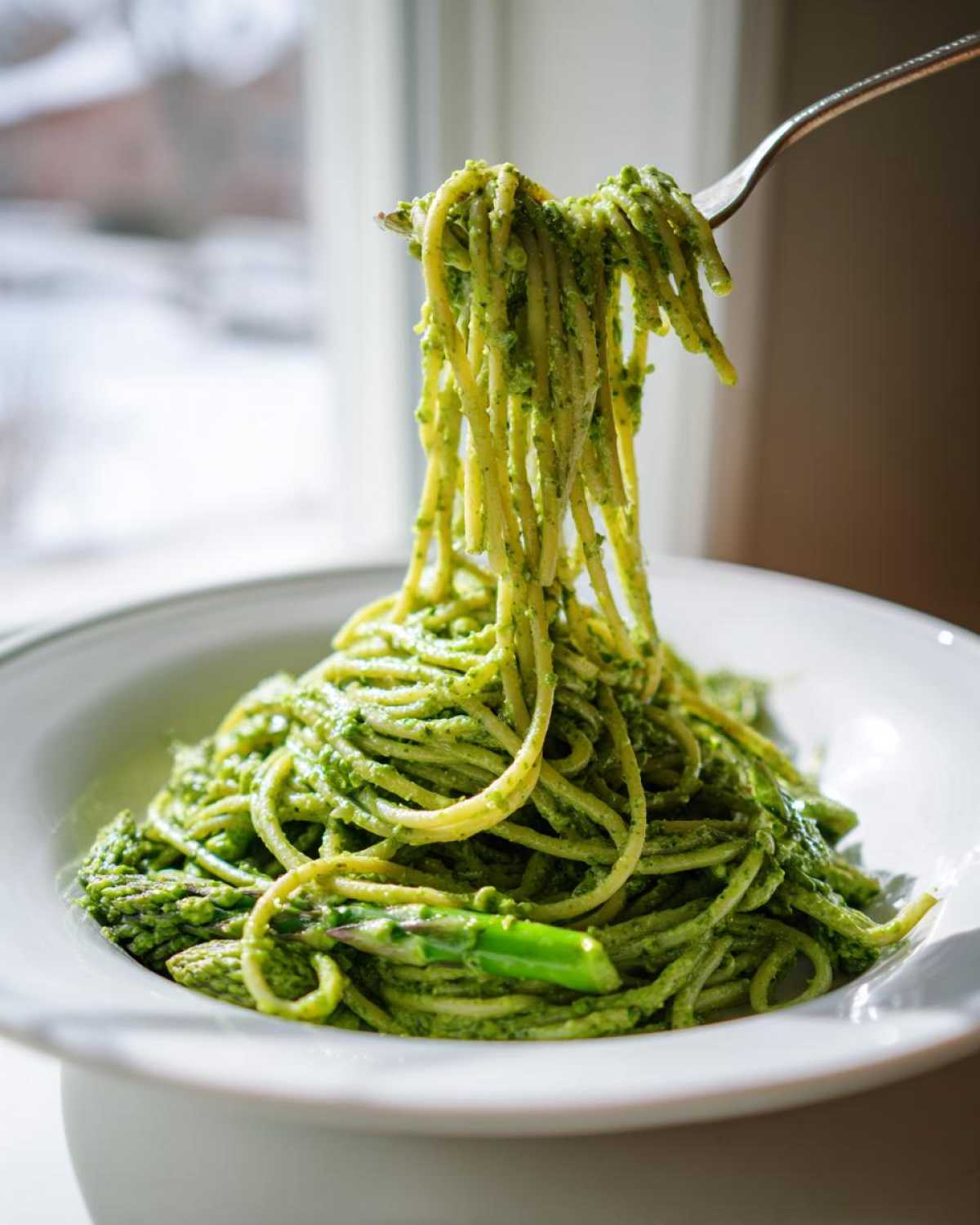
Drain the pasta well, toss it into a big bowl, and add all your pesto and the perfectly roasted asparagus. Now, start mixing! If it looks too thick or gloppy—and it probably will at first—add that reserved pasta water just a few tablespoons at a time until the pesto magically loosens up and coats every strand beautifully. Stir in the lemon zest right at the end for the brightest flavor, and you are ready to eat!
Tips for the Perfect Earth Day Dinner Pasta
We’ve got the recipe down, but let’s talk pro secrets to turn this into your new favorite healthy green pasta. Getting this right is all about feeling comfortable with improvisation, which is definitely part of that sustainable cooking mindset! This recipe is incredibly forgiving, so please don’t stress if your ingredients look a little different from mine.
Ingredient Swaps for Year-Round Sustainability
The beauty of the zero-waste pesto is that it loves almost any tender green you throw at it. If you’re making a simple vegetarian pasta dinner in the fall, try swapping the asparagus out for roasted squash mixed in, and use kale stems or even beet greens in your pesto mix. Just make sure whatever greens you use are washed well, especially if they are from your garden! This is how you keep the low impact going all year long.
Achieving Creaminess Without Dairy
When you use nutritional yeast for that vegan option—which I highly recommend for a true Vegan pasta for Earth Day vibe—you’re aiming for a slightly more vibrant, almost nutty finish. If you choose Parmesan instead, you might need just a tiny bit less pasta water because the cheese releases some liquid as it melts into the warm pasta. Taste it before you add too much water; the sauce should cling, not drip straight off the back of your spoon!
Storage and Reheating Instructions for Leftover Earth Day Dinner Pasta
Oh, if you’re lucky enough to have leftovers of this incredible Earth Day Dinner Pasta, listen up! The pesto is the star here, and it stays fresher if you store it separately. If you have extra pesto, just put it in an airtight container, pour a thin layer of olive oil over the top to keep it sealed, and pop it in the fridge—it’s good for about four or five days.
If you stored the whole combined dish, don’t just blast it in the microwave! That makes the pasta gummy. Instead, put it in a skillet over medium-low heat and splash in a little fresh water or even vegetable broth. That steam will revive the sauce and make the pasta soft again. It practically tastes freshly made!
Serving Suggestions for Your Plant Based Pasta Meals
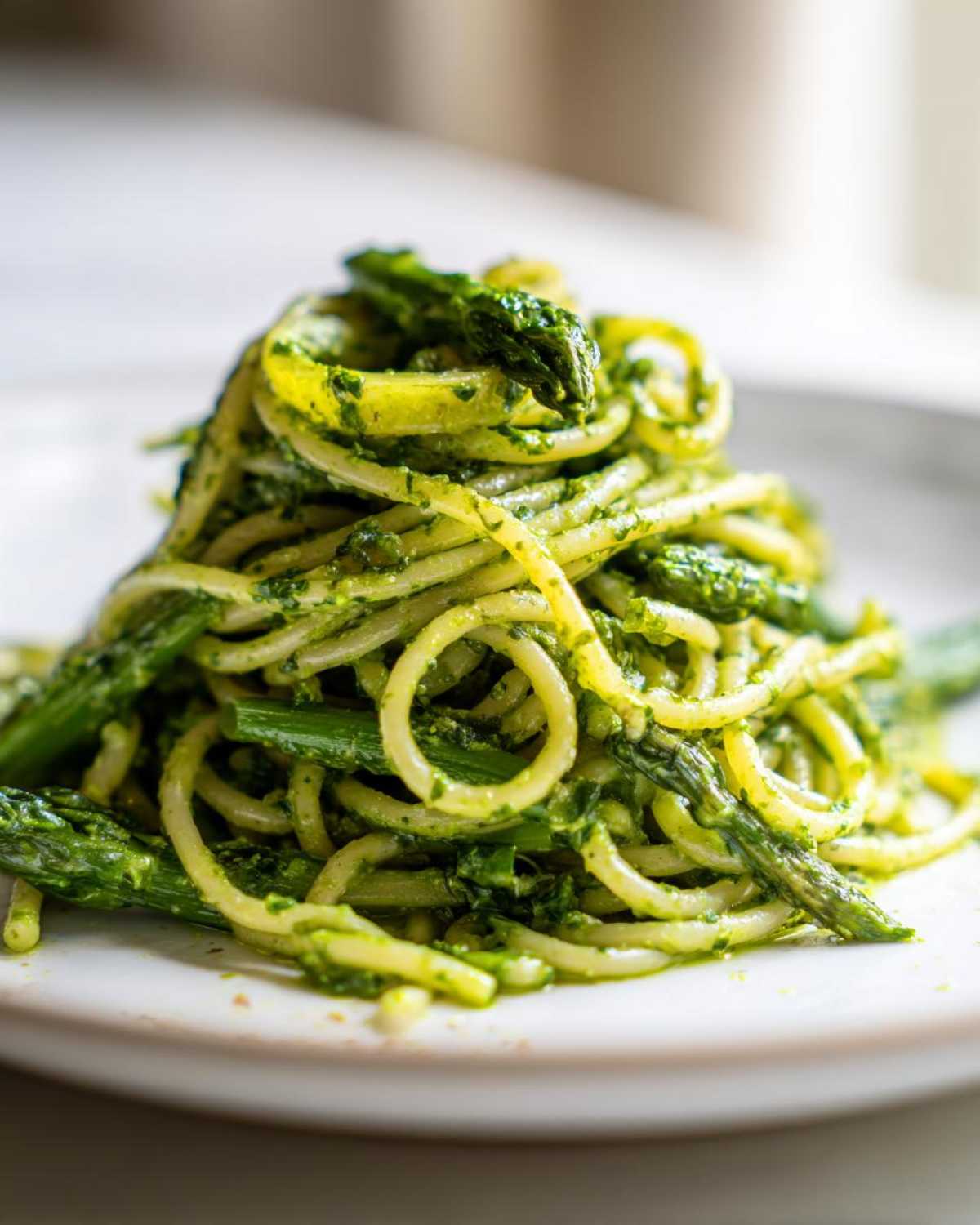
Since this is such a bright, fresh meal—perfect for those plant based pasta meals—we really want to keep the sides light and complementary! You don’t want to overwhelm that amazing zero-waste pesto flavor. I always serve mine with a simple side salad featuring crisp butter lettuce and a very light vinaigrette. But honestly, the best thing to serve alongside it is something amazing for soaking up those pesto drips!
You absolutely have to have some crusty bread on the table. Slicing up a fresh baguette or some homemade garlic bread lets you scoop up every last bit of that green goodness left on your plate. It makes the whole experience feel so much more satisfying and complete!
Frequently Asked Questions about Earth Day Dinner Pasta
It’s normal to have questions when you’re trying out something new, especially when you are focusing on eco friendly pasta recipes! I get asked about substitutions all the time. I’ve gathered up the most common ones right here for you so you can cook with confidence.
Can I use nuts other than walnuts or pine nuts in this Earth Day Dinner Pasta?
Oh, absolutely! Nuts are flexible, just like us. If I run out of pine nuts, I usually grab raw almonds, or honestly, even sunflower or pumpkin seeds work surprisingly well and add a nice earthy flavor. Just remember that sunflower seeds might make the pesto slightly greener, and almonds tend to make the final sauce a little thicker, so you might need an extra tablespoon of that reserved pasta water!
How long does the zero-waste pesto last in the refrigerator?
Since this pesto is packed with fresh greens and olive oil, it stays beautifully vibrant for about four to five days in the fridge. The key is storage: make sure you put it in a jar or container and pour about a quarter-inch layer of olive oil right on top. That layer acts as a seal, keeping the greens from browning too fast. It’s fantastic for using up during the week!
Is this recipe considered a low carbon footprint dinner?
Yes, definitely! When we focus on this as a low impact dinner recipe, we are prioritizing plants over meat and making sure we aren’t wasting food by using up every part of the vegetable. If you source your pasta and produce locally, you’re cutting down on transportation pollution significantly. It checks all the boxes for a conscious, wonderful meal!
Nutritional Estimates for This Green Vegetable Pasta
So, we’ve talked about flavor and sustainability, but I know some of you are tracking macros or just curious about what goes into this amazing dish! Remember, because we are using fresh produce that changes based on what’s in season—and whether you use Parmesan or nutritional yeast—these numbers are definitely estimates, not gospel. I ran the numbers based on the standard ingredient list we used, but think of this as a guide for your protein cheesecake recipe 35g protein slice tracking!
Here’s a general breakdown per serving (this recipe yields four servings):
- Calories: Roughly 550
- Fat: Around 30g total (split between the healthy fats in olive oil and nuts, and 4g of that being saturated fat).
- Carbohydrates: About 60g (hello, whole wheat pasta!).
- Protein: A solid 18g, thanks to the nuts and nutritional yeast/cheese.
- Fiber: A good boost at 7g!
- Sugar: Very low, only about 4g, which comes naturally from the vegetables.
I love that this pasta manages to be so rich and satisfying while keeping the saturated fat and sugar really low. It’s proof that eating consciously doesn’t mean eating boringly, even when you’re going for a totally plant-based meal!
Share Your Sustainable Cooking Journey
Now that you’ve made this amazing, bright, and unbelievably low-waste pasta, I genuinely want to know what you think! Did you try using radish greens or maybe some broccoli stems in your pesto? I get so excited hearing about your creative twists on my favorite recipes, so please, don’t be shy!
If you followed along with this Earth Day Dinner Pasta and loved the fresh flavors, please take a second to leave a rating right down below. It really helps other folks feel confident trying out a new way to cook sustainably.
And if you snap a picture of your vibrant green masterpiece—especially if you spotted some unique stems in your zero-waste sauce—tag me on social media! I love seeing how this recipe looks when it lands on different tables. Happy cooking, and thank you for making choices that are kinder to our planet!
Print
No-Waste Spring Pesto Pasta with Roasted Asparagus and Lemon
- Total Time: 35 min
- Yield: 4 servings
- Diet: Vegetarian
Description
A vibrant, seasonal pasta dish using a zero-waste pesto made from vegetable stems and leaves, perfect for an Earth Day dinner.
Ingredients
- 1 pound dried pasta (whole wheat or organic recommended)
- 1 bunch asparagus, trimmed and chopped
- 2 tablespoons olive oil, divided
- 1 cup fresh basil leaves
- 1 cup mixed tender green stems and leaves (e.g., carrot tops, radish greens, parsley stems)
- 1/2 cup raw walnuts or pine nuts
- 2 cloves garlic
- 1/4 cup nutritional yeast or grated Parmesan cheese
- 1/4 cup lemon juice
- 1/2 cup extra virgin olive oil
- Salt and black pepper to taste
- Zest of 1 lemon
Instructions
- Preheat your oven to 400°F (200°C). Toss the chopped asparagus with 1 tablespoon of olive oil, salt, and pepper. Spread on a baking sheet and roast for 10 to 12 minutes until tender-crisp.
- While the asparagus roasts, prepare the no-waste pesto. Combine the basil, mixed green stems and leaves, nuts, garlic, nutritional yeast or cheese, lemon juice, and remaining 1 tablespoon of olive oil in a food processor.
- Pulse until coarsely chopped, then slowly stream in the 1/2 cup of extra virgin olive oil while the processor runs until the pesto is smooth but still has some texture. Season the pesto with salt and pepper.
- Cook the pasta according to package directions until al dente. Reserve about 1 cup of the starchy pasta water before draining.
- In a large bowl, combine the drained pasta, the prepared pesto, and the roasted asparagus.
- Add the lemon zest. Toss well, adding reserved pasta water a few tablespoons at a time until the sauce coats the pasta evenly.
- Serve immediately.
Notes
- To minimize waste, use the stems of broccoli or kale in the pesto if you are not using asparagus.
- For a vegan option, always use nutritional yeast instead of Parmesan cheese.
- Use locally sourced, seasonal vegetables when possible to reduce the meal’s carbon footprint.
- Prep Time: 15 min
- Cook Time: 20 min
- Category: Dinner
- Method: Boiling and Roasting
- Cuisine: Mediterranean
Nutrition
- Serving Size: 1 serving
- Calories: 550
- Sugar: 4
- Sodium: 350
- Fat: 30
- Saturated Fat: 4
- Unsaturated Fat: 26
- Trans Fat: 0
- Carbohydrates: 60
- Fiber: 7
- Protein: 18
- Cholesterol: 0