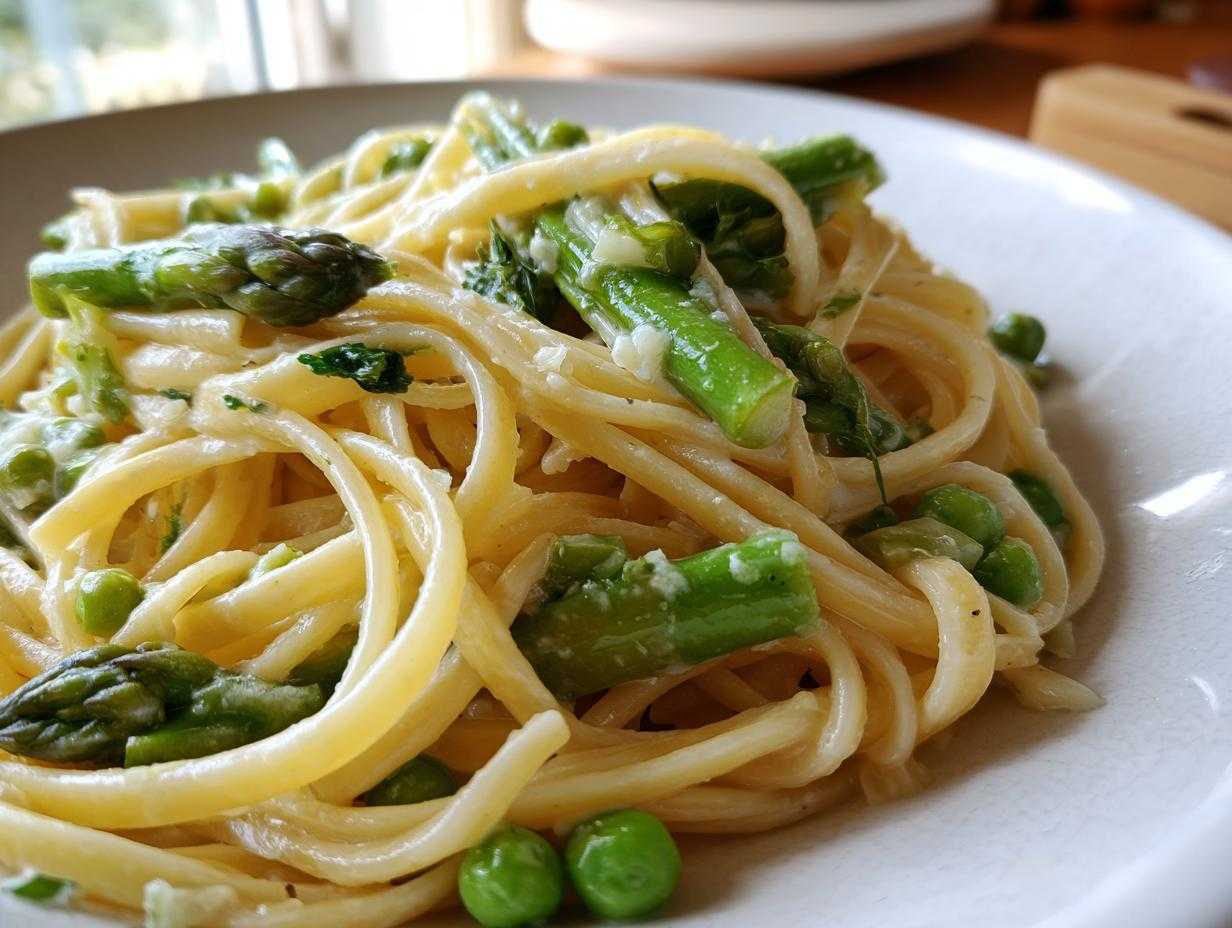
Oh my gosh, you are going to absolutely *love* this. When the weather warms up and I start seeing those first vibrant vegetables popping up—asparagus, sweet peas—I just crave something bright and fresh, but honestly, after a long day, who wants three pots going on the stove? Nobody! That’s why I perfected this **One Pot Spring Pasta Primavera** recipe. It’s the absolute definition of a weeknight savior. Everything—the pasta, the broth, the creamy sauce, the delicate spring veggies—cooks right there in one big skillet. Seriously, once you taste how flavorful this gets just by cooking the pasta right in the simmering liquid, you won’t go back to the old way. Cleanup is practically non-existent, which is my favorite flavor profile, trust me!
Why This One Pot Spring Pasta Primavera is Your New Favorite Weeknight Meal
I’m telling you, this isn’t just another recipe; it’s a complete shift in how you handle dinner when the weather gets nice. We’re talking total *hassle-free spring cooking* here. The magic is that the starch from the linguine thickens the broth right as it cooks, giving you that beautiful, clingy sauce without needing a separate roux or thickening agent. It’s genius, really.
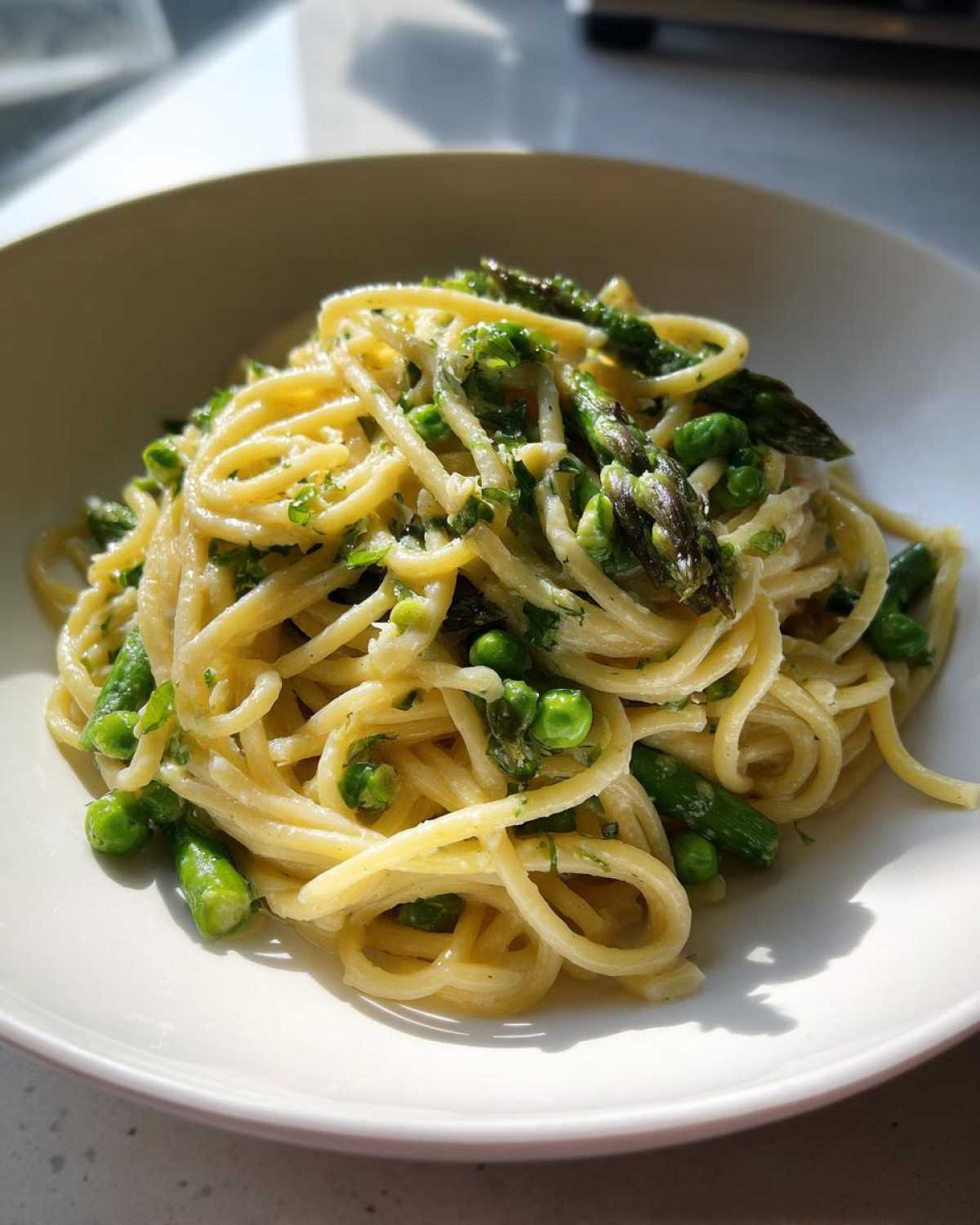
- It’s lightning fast: We take this from the pantry to the plate in about 30 minutes total. Perfect for those evenings when you’re starving right at 5:30!
- Minimal Cleanup: This is the huge win! You’re only washing one big skillet or Dutch oven. No colanders, no saucepans.
- All the Spring Goodness: We load it up with asparagus and peas—it tastes exactly like the season feels.
- Incredible Texture: The pasta absorbs all the savory broth, making every strand rich, and the vegetables stay tender-crisp instead of getting mushy.
If you’re ready to streamline your kitchen routine without sacrificing that fresh, seasonal taste, this is what you need next. Check out my guide for other hassle-free spring cooking tips!
Ingredients for Your Creamy One Pot Spring Pasta Primavera
Lining up your ingredients first is half the battle in any one-pot meal, especially when things are moving fast! You want everything chopped and ready to go before the pan even hits the heat. Because this specialty, the simple seasonal pasta ideas, relies on everything cooking beautifully together, precision matters. Don’t skip washing your herbs or trimming your asparagus properly! Having these fresh items on hand ensures we get that bright, undeniable flavor of spring in every single bite.
What You’ll Need For This Spring Vegetable Pasta:
- 1 tablespoon olive oil (just a drizzle to start things off)
- 1 small yellow onion, chopped (make sure it’s nice and fine!)
- 2 cloves garlic, minced (don’t be shy with the garlic, trust me)
- 1 cup vegetable broth (your flavor powerhouse)
- 1 cup water (to help the pasta cook evenly)
- 1 cup half-and-half or milk (this creates that wonderful coating)
- 8 ounces dried linguine or spaghetti, broken in half (I break mine right over the pot—less mess!)
- 1 cup asparagus, trimmed and cut into 1-inch pieces (the star!)
- 1/2 cup frozen peas (straight from the freezer, no thawing needed)
- 1/2 cup chopped fresh artichoke hearts (canned or jarred are fine, just drain them really well)
- 1/4 cup grated Parmesan cheese, plus more for serving (freshly grated melts better!)
- 2 tablespoons fresh lemon juice (this wakes everything up at the end)
- 1/4 cup chopped fresh parsley (more if you love green freshness!)
- Salt and black pepper to taste (seasoning is crucial in one-pot cooking)
The Simple Steps to Make One Pot Spring Pasta Primavera
This is where the magic of the quick one-pan pasta meal really happens! Since everything is going into one pot, you have to be a little more mindful here than usual. The biggest rule of one-pot pasta, and I mean THE biggest? You *have* to stir it often. If you walk away, the starches grab the bottom of the pan and you’ve got a sticky mess instead of our creamy spring pasta sauce. Follow these steps, keep stirring, and you’ll get that perfect al dente texture and built-in sauce every time.
Sautéing Aromatics and Building the Base for Your One Pot Spring Pasta Primavera
We start easy! Get your oil warmed up in that big skillet over medium heat. Toss in your chopped onion first, let it get soft—that takes about four minutes. We want it translucent, not browned. Once it’s softened up, add your minced garlic. Garlic cooks fast, so only give it about 60 seconds until it smells amazing and fragrant. That’s your flavor starting point!
Simmering and Cooking the Pasta in the One Pot Spring Pasta Primavera Liquid
Now for the liquids! Pour in your vegetable broth, the water, and that creamy half-and-half mixture. Bring that whole thing just up to a gentle simmer—you’ll see little bubbles forming around the edges. Next, toss in your broken linguine right away. Stir everything really well until that pasta is totally submerged. Now, let it simmer gently for about eight minutes, stirring pretty frequently. We’re aiming for the pasta to be almost ready, but not quite.
Incorporating Spring Vegetables into the One Pot Spring Pasta Primavera
Once that initial 8 minutes is up, it’s time for the greens! Stir in your cut asparagus pieces and the artichoke hearts. Keep it going on that gentle simmer, stirring every minute or so, for just 3 to 5 more minutes. You want the asparagus to be tender-crisp—still holding a little bite. When the pasta is perfect and the liquid has thickened down into a nice sauce coating everything, take the pot completely off the heat. Now, stir in those frozen peas; the residual heat is all they need to warm through, keeping them perfectly sweet. Follow that up immediately with the Parmesan cheese and that bright hit of lemon juice.
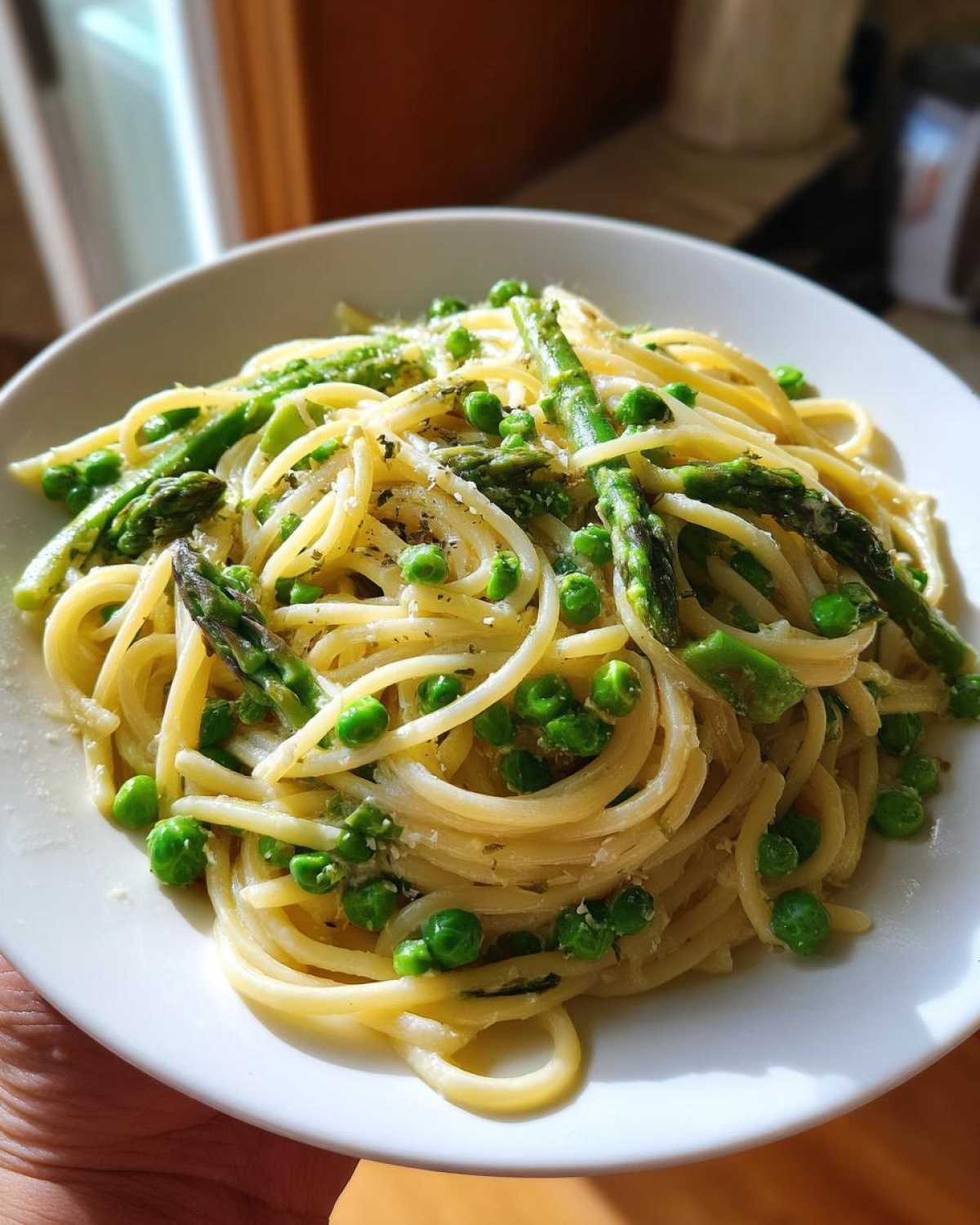
Final Seasoning and Serving Your One Pot Spring Pasta Primavera
This is where you personalize it! Taste the sauce—it needs salt and pepper to really pop. Be generous but taste as you go. Stir in all that fresh parsley right at the end for color and flavor. Don’t let it sit too long after adding the cheese and lemon! Dish it up right away into warm bowls and top with extra Parmesan. That vibrant, creamy coating should cling beautifully to every piece of pasta.
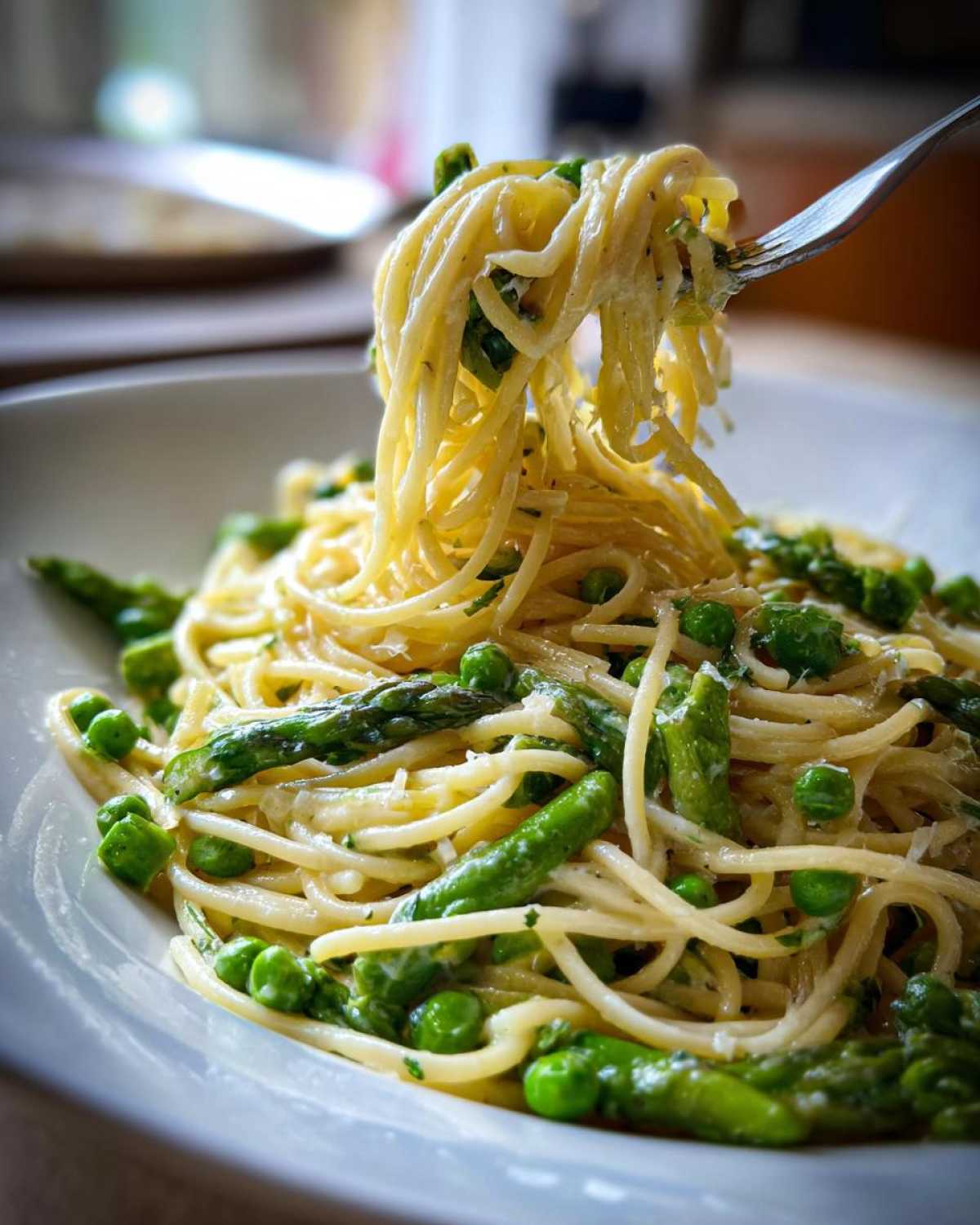
Tips for the Perfect Creamy One Pot Spring Pasta Primavera
Listen, because even with the best recipe, one-pot methods need a little intuition! The most important thing for getting that perfect, luxurious consistency in your easy weeknight pasta primavera is managing the liquid. If you see the sauce starting to dry out too fast while the pasta is still hard, don’t panic! Just splash in a tiny bit more broth or even just water. It’s much easier to control than trying to fix a sauce that’s too thin later.
Also, be totally flexible with your veggies. The recipe calls for asparagus and peas, but if you have some lovely sugar snap peas or even some thin radish slices that cook quickly, throw them in with the asparagus. They’ll absorb the creamy broth beautifully. My personal tip? Use the widest, shallowest Dutch oven you own. It gives the pasta more surface area to evaporate the liquid evenly, which helps thicken the sauce faster and more consistently for the best result!
Ingredient Notes and Substitutions for One Pot Spring Pasta Primavera
I get so many questions about dialing in the ingredients for this **One Pot Spring Pasta Primavera**, especially since we are relying on pantry staples mixed with fresh additions. Let’s tackle the cream situation first. That half-and-half gives us a perfect light creaminess, but look, if you want to treat yourself—say, for a weekend dinner—feel free to swap it for heavy cream. It makes the sauce incredibly luxurious! For those looking to keep it light, regular milk works in a pinch, but you might need to add a little extra Parmesan at the end to boost the body.
And can we talk about the herbs? You *must* use them fresh, please! Dried parsley just won’t cut it here; we need that bright, grassy lift from the fresh parsley and lemon at the end to balance the starchiness of the cream. It turns this simple dish into true fresh herb pasta primavera. If you ever dabble in making this vegan, you’d swap the Parmesan for nutritional yeast and use oat milk instead of the dairy, but for this version, the dairy really builds that classic spring sauce!
Serving Suggestions for Your Spring Vegetable Pasta Dish
Because this **One Pot Spring Pasta Primavera** is so wonderfully creamy and already contains your starch and veggies, you don’t have to fuss around with complicated side dishes. Seriously, this is the beauty of a complete meal in one pan! When I serve this on a weeknight, nine times out of ten, we just grab some crusty bread.
A really good baguette, maybe lightly toasted with a little olive oil rubbed on top, is the perfect tool for soaking up any little extra bit of that creamy lemon-Parmesan sauce left in your bowl. Don’t feel guilty about it—that’s what bread is for!
For those nights when you absolutely insist on a vegetable side, keep it light to match the spring theme. A simple, sharp arugula salad dressed with just lemon juice and olive oil is perfect. The peppery bite cuts right through the richness of the cream sauce we made. Or, if you served this earlier in the season before you got your garden going, I sometimes pair it with some quick-roasted radishes. They get sweet and earthy and just match the vibe of the asparagus so beautifully. You can find my favorite light dessert pairing, in case you need something sweet afterward, right here: Easy Berry Cobbler Recipe!
Storage and Reheating Instructions for Leftover One Pot Spring Pasta Primavera
This **One Pot Spring Pasta Primavera** tastes dynamite the first night, but it’s also fantastic for lunch the next day! When you put leftovers away, know that the pasta will have absorbed a lot more of that creamy liquid while chilling in the fridge. Don’t worry about it looking dry!
When you reheat it, the trick to bringing back that luscious texture is moisture. Toss the portion you want to eat with a tiny splash of water or a splash of milk before heating it either on the stovetop or in the microwave. That little bit of added liquid turns right back into a creamy sauce. It’s a lifesaver when you’re trying to healthy one-pot meal prep your lunches!
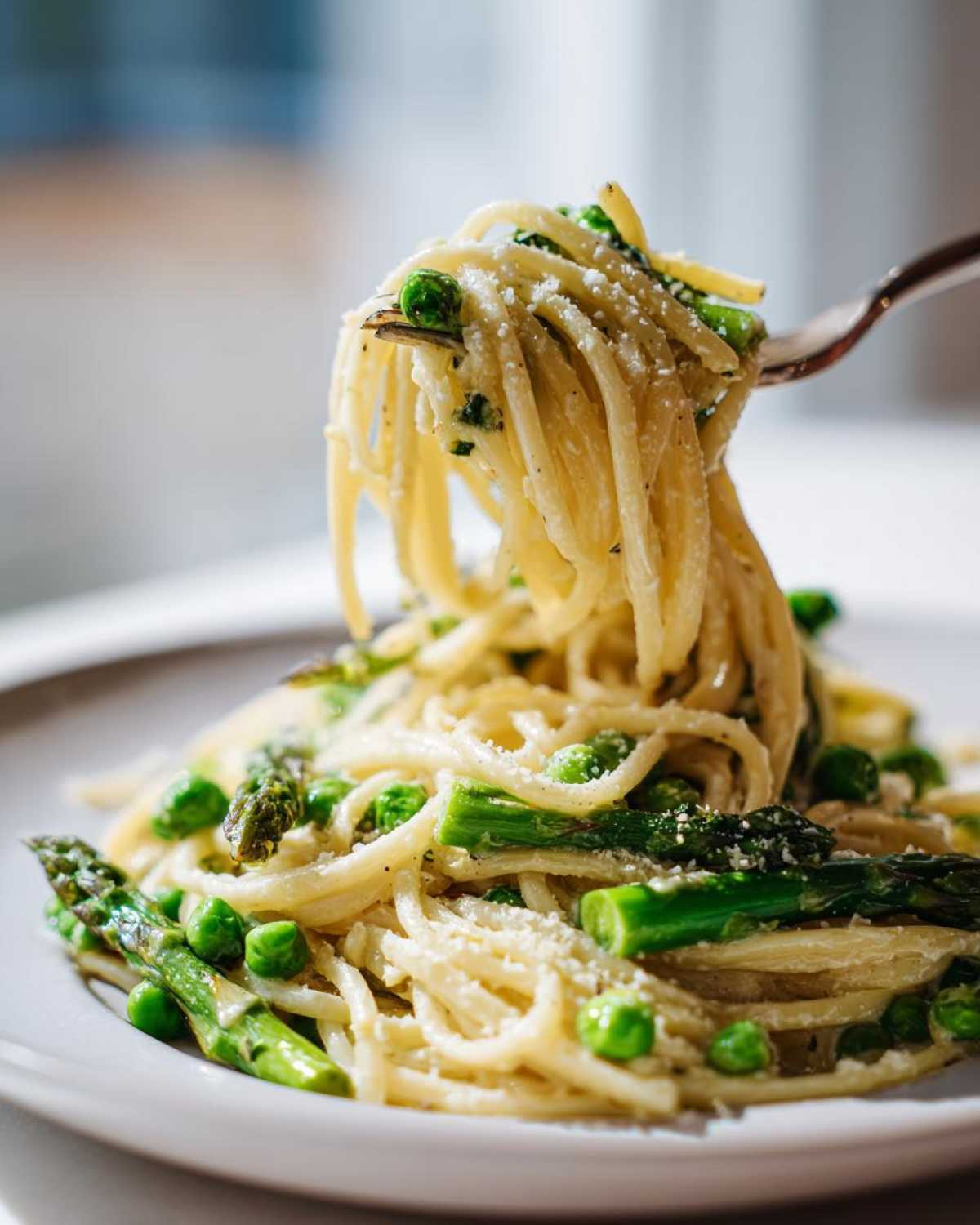
Frequently Asked Questions About One Pot Pasta Recipes
I always get a ton of questions when people try out one pot pasta recipes for the first time, especially when we are swapping out the liquid for creamy textures. It’s different from boiling pasta separately, but once you get the hang of it, you’ll be hooked on the minimal cleanup dinner recipes lifestyle!
Can I use different pasta shapes in this One Pot Spring Pasta Primavera?
Absolutely! While linguine or spaghetti works beautifully because the strands absorb the liquid evenly, you can certainly swap them out. I’d suggest using shapes that aren’t too bulky or complicated. Think penne, rotini, or even farfalle (bow-ties). The cooking time might change slightly depending on the thickness of the pasta, so you’ll need to taste-test a little earlier than the recipe suggests. Just make sure you keep stirring those shorter shapes, because they can clump up faster at the bottom of the pan!
How can I adapt this recipe to be vegan?
This is a great question, as many people are looking for one pot vegetarian dinners that don’t rely on dairy. It’s easy to switch! Instead of half-and-half, use full-fat canned coconut milk or unsweetened soy or oat milk—the coconut milk gives a wonderful richness. Skip the Parmesan cheese entirely, or substitute it with 3 tablespoons of nutritional yeast stirred in at the very end for that savory, cheesy flavor.
My sauce got too thick while cooking. What did I do wrong?
Don’t stress! That just means your pasta absorbed the liquid faster than expected—it happens, especially if your stove runs hot. This is a sign you did a little too much stirring or the heat was a touch too high. The simple fix is just what I mentioned earlier: take it off the heat and add a splash (maybe a quarter cup to start) of hot water or vegetable broth. Stir it in gently, and the starch will release again, smoothing out that sauce until it’s coating the pasta just right.
Can I make this ahead of time for meal prep?
You can certainly prep the components ahead, but honestly, this *Spring Vegetable Pasta Primavera Ideas* recipe shines best when eaten the day it’s made. Pasta sitting in a creamy sauce overnight gets very absorbent and dense. If you do have leftovers, store them in an airtight container and definitely plan on adding liquid when you reheat them the next day. It won’t be quite as glossy as the first night, but it will still be delicious!
Estimated Nutritional Information for One Pot Spring Pasta Primavera
I always try to give a general idea of what you’re kicking off your day with! Keep in mind that nutrition facts are always estimates, especially when we are dealing with fresh vegetables whose exact mineral content changes, and the fat content depends entirely on whether you use skim milk or that decadent heavy cream for your sauce.
Based on the ingredients list provided, here is the approximate breakdown per serving:
- Serving Size: 1 serving
- Calories: 550
- Fat: 18g (8g Saturated Fat)
- Carbohydrates: 75g
- Protein: 25g
This is quite a filling meal, offering good fiber from the vegetables and a solid protein boost, making it a wonderful healthy option for any busy night!
Share Your One Pot Spring Pasta Primavera Creations
Seriously, I want to see your gorgeous bowls of green goodness! This **One Pot Spring Pasta Primavera** is such a fun, easy recipe to customize with whatever greens you find at the market. Once you make it, please come back and leave me a rating letting me know how many stars you give it. And if you managed to make any cool swaps on the veggies, drop a comment below! I love hearing how you all make these recipes your own. Happy cooking!
Estimated Nutritional Information for One Pot Spring Pasta Primavera
I always try to give a general idea of what you’re kicking off your day with! Keep in mind that nutrition facts are always estimates, especially when we are dealing with fresh vegetables whose exact mineral content changes, and the fat content depends entirely on whether you use skim milk or that decadent heavy cream for your sauce.
Based on the ingredients list provided, here is the approximate breakdown per serving:
- Serving Size: 1 serving
- Calories: 550
- Fat: 18g (8g Saturated Fat)
- Carbohydrates: 75g
- Protein: 25g
This is quite a filling meal, offering good fiber from the vegetables and a solid protein boost, making it a wonderful healthy option for any busy night!
Share Your One Pot Spring Pasta Primavera Creations
Seriously, I want to see your gorgeous bowls of green goodness! This **One Pot Spring Pasta Primavera** is such a fun, easy recipe to customize with whatever greens you find at the market. Once you make it, please come back and leave me a rating letting me know how many stars you give it. And if you managed to make any cool swaps on the veggies, drop a comment below! I love hearing how you all make these recipes your own. Happy cooking!
Print
Creamy One Pot Spring Pasta Primavera
- Total Time: 30 min
- Yield: 3 servings
- Diet: Vegetarian
Description
Cook fresh spring vegetables and pasta together in a single pot for a flavorful, creamy meal with minimal cleanup.
Ingredients
- 1 tablespoon olive oil
- 1 small yellow onion, chopped
- 2 cloves garlic, minced
- 1 cup vegetable broth
- 1 cup water
- 1 cup half-and-half or milk
- 8 ounces dried linguine or spaghetti, broken in half
- 1 cup asparagus, trimmed and cut into 1-inch pieces
- 1/2 cup frozen peas
- 1/2 cup chopped fresh artichoke hearts (canned or jarred, drained)
- 1/4 cup grated Parmesan cheese, plus more for serving
- 2 tablespoons fresh lemon juice
- 1/4 cup chopped fresh parsley
- Salt and black pepper to taste
Instructions
- Heat the olive oil in a large, deep skillet or Dutch oven over medium heat. Add the onion and cook until softened, about 4 minutes.
- Add the minced garlic and cook for 1 minute until fragrant.
- Pour in the vegetable broth, water, and half-and-half. Bring the liquid to a simmer.
- Add the dried pasta to the pot. Stir well to submerge the pasta.
- Cook, stirring frequently to prevent sticking, for about 8 minutes, or until the pasta is nearly tender.
- Stir in the asparagus and artichoke hearts. Continue to cook, stirring often, for another 3 to 5 minutes, or until the asparagus is tender-crisp and the pasta is cooked through. The liquid should reduce to a creamy sauce consistency.
- Remove the pot from the heat. Stir in the frozen peas, Parmesan cheese, and lemon juice. The residual heat will warm the peas.
- Season generously with salt and pepper. Stir in the fresh parsley.
- Serve immediately with extra Parmesan cheese on top.
Notes
- If the sauce seems too thick as it cooks, add a splash more broth or water.
- Use any combination of tender spring vegetables you prefer, such as thinly sliced radishes or sugar snap peas.
- For a richer sauce, substitute heavy cream for the half-and-half.
- Prep Time: 10 min
- Cook Time: 20 min
- Category: Main Dish
- Method: Stovetop
- Cuisine: American
Nutrition
- Serving Size: 1 serving
- Calories: 550
- Sugar: 6
- Sodium: 550
- Fat: 18
- Saturated Fat: 8
- Unsaturated Fat: 10
- Trans Fat: 0
- Carbohydrates: 75
- Fiber: 6
- Protein: 25
- Cholesterol: 25