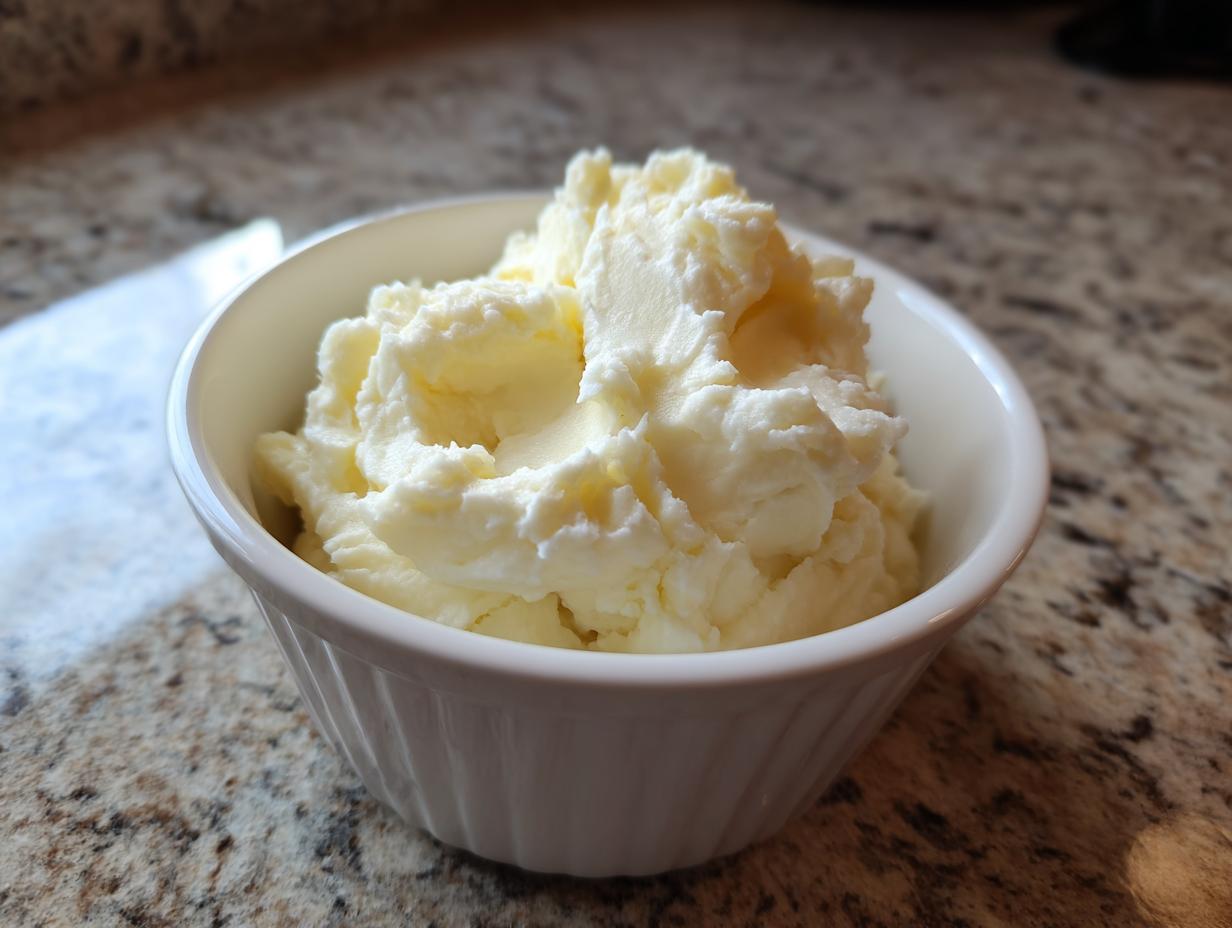
You know that moment, right? You’re gearing up for a big meal—Thanksgiving, maybe a perfect Sunday roast—and you promised yourself this time, you are going to nail the side dish everyone *really* cares about. I’m talking about the perfect, fluffy potatoes. For years, my mashed potatoes were… fine. They were gloopy, sometimes strangely gluey, or worse, just chunky bits of sadness swimming in lukewarm milk. I swear, one Thanksgiving I almost threw the whole bowl across the kitchen because they refused to behave!
But folks, I finally cracked the code. I stopped following those sad little instruction cards and started treating potatoes the way they deserve to be treated. Forget ‘fine’; we are making the big leagues side dish tonight. This isn’t just a recipe; this is your blueprint for the Ultimate Creamy, Buttery Mashed Potatoes (Restaurant Style). Trust me, once you try this technique, you won’t go back. These are the velvety, rich potatoes that make people ask for seconds before they’ve even finished their first serving!
Why This is the Best Mashed Potatoes Ever Recipe
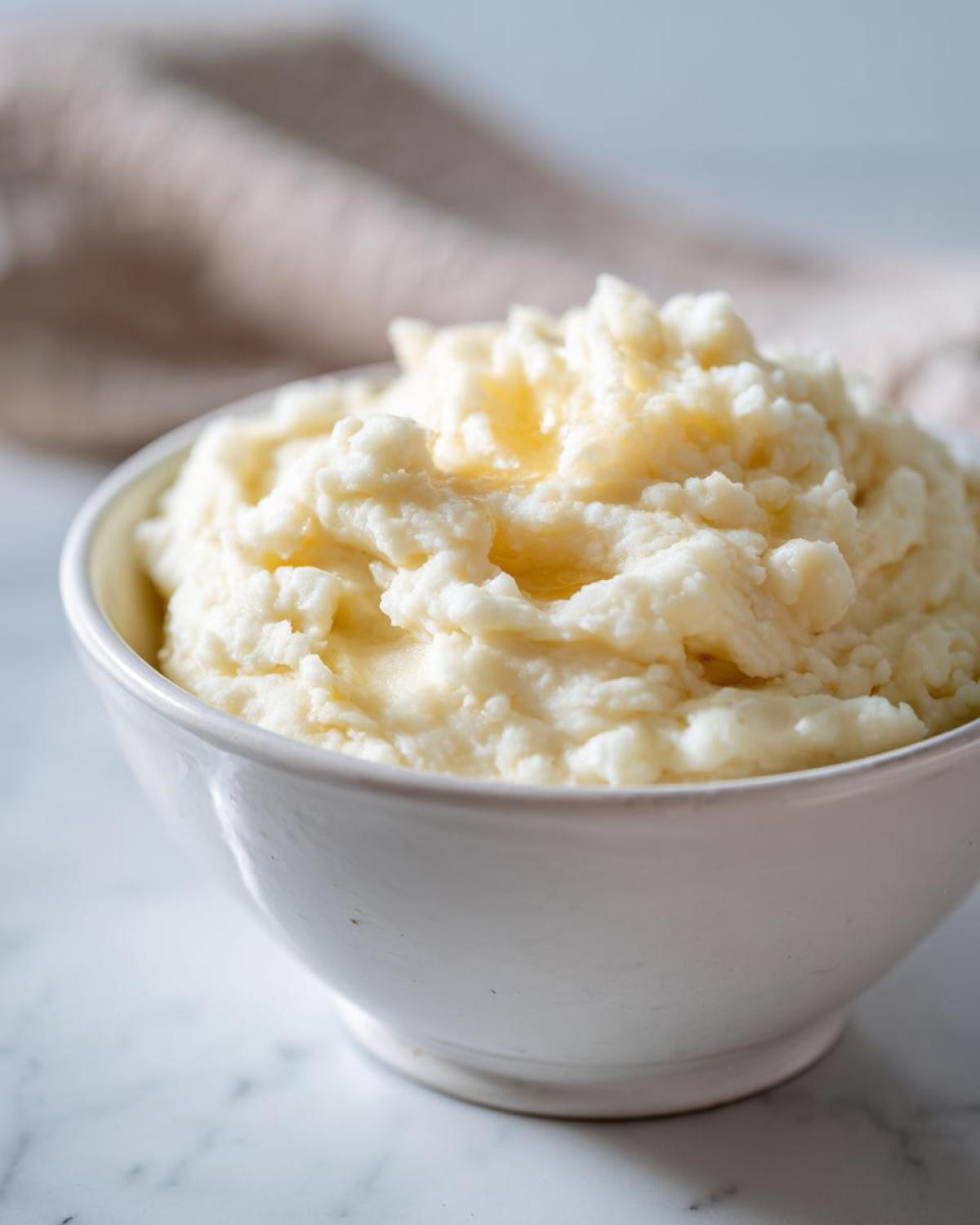
What makes this recipe the one you save forever? It’s all about ditching the mediocre territory and stepping into pure comfort food heaven! We are focusing on texture and flavor until your spoon sinks through it like silk. I’ve tested this method against every potluck disaster I’ve ever had, and this formula wins every single time.
- They are outrageously buttery—we use plenty of good quality fat!
- Fluffy enough to practically float off your plate.
- Guaranteed smooth texture—no lumps allowed in these mashed potatoes.
- They taste like something you’d happily pay $20 for at a fancy steakhouse.
Achieving Velvety Potato Puree Texture
The secret weapon for that restaurant-style smoothness starts before the boiling even begins. You absolutely must use starchy potatoes here, like Russets. Waxy potatoes (like red or Yukon Gold) just hold too much water and turn gummy when mashed aggressively. Starchy ones break down beautifully, creating a fluffy foundation that loves soaking up warm cream and butter. Don’t skip the draining step either; dry potatoes are happy potatoes!
Ingredients for Ultimate Creamy Mashed Potatoes
Okay, for these mashed potatoes to reach their peak performance, you can’t just eyeball everything. Ingredient quality matters, especially when you’re keeping the list simple! I’ve listed out exactly what you need below. A little hint: make sure your butter is soft and your milk is warmed up before they even see the potatoes. Trust me on that dairy step!
- 2 lbs Starchy Potatoes (Russets are my absolute favorite here), peeled and cut into roughly uniform quarters.
- 1/2 cup Milk (Whole milk works best for richness, but use what you have!), warmed gently on the stove or in the microwave.
- 4 tablespoons Unsalted Butter, softened but not melted—you want it nicely pliable.
- 1/2 teaspoon Salt (or more, to taste—taste the water you cook them in, too!).
- 1/4 teaspoon Freshly Ground Black Pepper.
If you want to sneak in some extra flavor depth right from the start, you can always look into making a batch of roasted garlic mashed potatoes, but for this basic ultimate version, these ingredients are your foundation for perfection!
Essential Equipment for Perfect Mashed Potatoes
You can’t build a castle without the right tools, and you certainly can’t achieve that fluffy texture without prepping your kitchen gear! If you’re using the wrong tools—like a giant standing mixer that aerates everything into glue—you’re going to have a bad time. Luckily, the equipment list for incredible mashed potatoes is pretty simple, but every item plays a role.
First up, you need a really large stockpot. Why large? Because those potatoes need room to move when they boil, and you need enough space later to dump in your warm milk and butter without it spilling everywhere like an avalanche. Don’t skimp on the size!
Then comes the choice that separates the beginners from the pros:
- Potato Masher: If you like a slightly rustic, comforting texture, a standard handheld masher works fine, as long as you use it gently after the potatoes are fully cooked.
- Potato Ricer: This is my personal favorite for that true, fine, velvety feel. A ricer forces the cooked potato through small holes, basically pre-fluffing them before you even add the dairy. If you want restaurant style, invest in a good ricer!
- Measuring Cups and Spoons: Seriously, don’t guess the butter or milk amounts. Precision in dairy ratios is what stops your potatoes from turning runny.
- A Heavy-Bottomed Saucepan: This is where you’ll warm up your milk and butter. Using a thick pan keeps the temperature even, so you don’t scorch your cream.
Having these items ready beforehand makes the whole process flow so smoothly. It’s just one less thing to worry about when you pull those steaming hot potatoes out of the water!
How to Make Restaurant Style Mashed Potatoes Step-by-Step
Alright, gather your gear! Now we move from prep to the actual cooking, and this is where the magic truly happens. Don’t rush these steps; they are the difference between a good side dish and the stuff people dream about later. We need to treat the potatoes gently, almost affectionately, as we coax them into fluffy submission. When you follow this sequence, you’ll see why professionals swear by these specific methods to get that unbeatable, creamy result.
Cooking the Potatoes Until Tender
This seems easy, but listen up: always start your potatoes in cold water! If you toss those raw chunks into already boiling water, the outside cooks way faster than the inside, leaving you with soggy edges and hard centers. Cover your peeled, quartered potatoes completely with cold water, and then add a generous pinch of salt to the water itself. Yes, salting the water seasons the potato from the inside out! Bring it slowly up to a boil, then reduce the heat so it’s a steady simmer—not a violent, tumbling boil.
You know they are ready when you can pierce one easily with a fork with almost no resistance. Remember that note I mentioned? If you’re using Russets, you want them cooked until they are just tender, not mushy. Test one of the biggest pieces first!
Warming Dairy for Smooth Mashed Potatoes
This is non-negotiable advice if you want truly creamy mashed potatoes. Do NOT pour cold milk or cream straight from the fridge into hot potatoes. I promise you, cold dairy drops the temperature of the potatoes instantly, and that lukewarm, half-cooled potato mixture is the fast track straight to gummy texture city. So, while your spuds are cooking, toss your butter and milk into that small saucepan over low heat until the butter is melted and the milk is steaming gently.
Keeping everything warm means the fats and starches emulsify beautifully when mixed, giving you that luxurious, smooth mouthfeel instead of a heavy, pasty mess. It sounds dramatic, but trust me, this one little adjustment makes the absolute best mashed potatoes you’ve ever made.
The Final Mashing Technique for Fluffy Mashed Potatoes Recipe
Once drained—and I mean *really* drained, maybe even letting them sit in the hot, empty pot for a minute to steam off excess water—it’s time to mash. If you used a potato ricer, just gently push the hot fluff back into the pot. If you’re using a standard masher, work quickly but carefully. If you already researched the best twice-baked potatoes, you know texture is key, and the same rules apply here!
Add the warm butter and milk mixture in two stages, folding it in gently with a rubber spatula or mashing lightly until you reach your desired consistency. The moment you see everything combined, STOP! Overworking the starch is how you get that heavy, gluey texture we are desperately trying to avoid in this fluffy mashed potatoes recipe. We want smooth whipped potatoes, not wallpaper paste, so be proud of those little lumps if they appear, or use your ricer for guaranteed success! Remember those other great potato ideas like creamy cheese baked potatoes? That same gentleness translates beautifully here.
For amazing results that rival what you get in the best restaurants, sometimes I even stir in a little bit of warm stock (chicken or vegetable) right at the end, just to thin things out perfectly. It adds complexity, kind of like people who try to replicate the ultimate richness at home!
Tips for Success: Creating Buttery Potato Side Dish Perfection
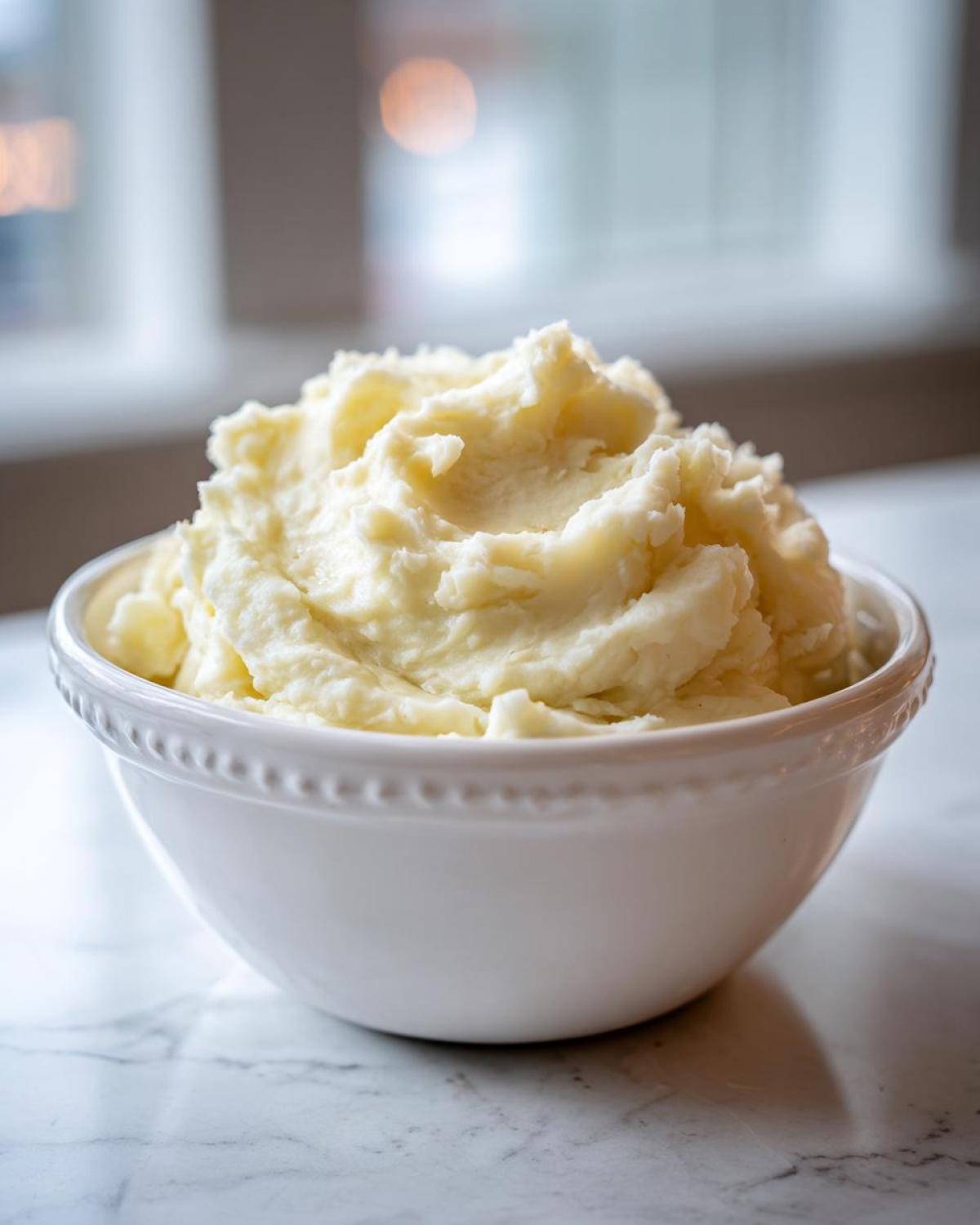
Now that you know the core steps, let’s talk about the little secrets that separate the perfectly acceptable from the show-stopping. Handling potatoes correctly after they’re cooked is where many cooks accidentally mess up what should be a simple side. If you find yourself consistently dealing with potatoes that get gummy or heavy when they sit on the serving platter, read these tips carefully!
First off, gravity is your enemy when draining. If your potatoes sit in residual water for even a minute too long after you dump the cooking liquid, they start absorbing that moisture back, leading to a heavier final product. As soon as they are tender, drain them *aggressively*. I actually put the colander right back into the hot pot for about 30 seconds—just lifting it up an inch—before transferring them to a bowl. That residual heat steams off any lingering wetness!
Secondly, we talked about warm dairy, but let’s emphasize the temperature difference. If you are adding butter, it shouldn’t be cold, but it should usually be room temperature or very slightly softened, never fully melted into oil right before mixing. The slow incorporation of the softened fat helps trap air, giving you those beautiful, light pockets. If the butter is liquid, it just slicks the starch particles instead of folding in properly.
My third golden rule involves technique if you’re adding extra flavor boosters—think about adding herbs or cheese. If you’re incorporating something like cheddar or cream cheese (which makes them truly decadent, similar to a garlic parmesan roast!), always fold these additions in *after* the initial mashing and incorporation of the main dairy. Adding hard cheese too early requires extra churning, which activates the starch and makes them dense.
Finally, if you happen to be making these ahead of time, don’t mash them fully! Keep the potatoes slightly under-mashed, load them into a casserole dish, and stir in the butter and half the milk/cream just before you need to serve. You can then reheat them slowly on the stove or in the oven, adding the remaining liquid right at the end to make them loose and creamy again. This trick saves hungry holiday hosts every single year!
Variations on Classic Mashed Potatoes
Now that we’ve mastered the silky, classic version, you know how to make incredible mashed potatoes for any standard dinner. But why stop at the classic foundation when you can take these creamy wonders in so many different delicious directions? This recipe is the perfect blank canvas!
Whether you’re aiming for a deeper savory note for a weeknight meal or boosting richness for a big holiday spread, these variations are super easy to integrate right at the end of Step 3.
Here are my three favorite ways to dress up this buttery base:
- Garlic Mashed Potatoes: This is a must when serving steak! Before you drain the potatoes, toss in 3-4 whole, peeled cloves of garlic during the last 10 minutes of boiling. They get tender enough to mash right in with the potatoes, adding a gentle sweetness rather than that sharp raw bite.
- Cheesy & Rich: Stir 1/2 cup of grated sharp white cheddar or Gruyère into the hot potatoes right before the final gentle fold. You want the cheese to melt beautifully, creating an unbelievably decadent side dish.
- Savory Broth Infusion: To replace some of the milk and add serious depth, use warm chicken or beef broth instead of the milk entirely, or substitute half the milk with broth. This gives the potatoes a wonderful savory background that pairs great with roasts.
Incorporating the Gordon Ramsay Mashed Potatoes Technique Element
Oh, the chefs! Everyone wants that intense, almost otherworldly richness that you get in fancy restaurants. If you’ve heard chefs like Gordon Ramsay talk about his technique, you know he often introduces fat in a very specific, almost obsessive way to achieve maximum fluffiness and silkiness. The key he often touts is using *a lot* of butter, but added bit-by-bit.
For a touch of that restaurant magic, try this simple addition: after you’ve gently folded in your warm milk and your initial butter, stop mashing. Then, cut a few tiny cubes of *cold* butter (say, 1 tablespoon worth) and gently fold them in one at a time right before serving. The cold butter melts slowly as it hits the warm mashed potatoes, creating micro-pockets of amazing richness and flavor that you just don’t get when adding room-temperature butter upfront. It’s a little extra work, but wow, does it boost the savory profile! It’s perfect paired with something hearty like a garlic parmesan chicken bake.
Storage & Reheating Instructions for Mashed Potatoes
Look, sometimes you just make too much, right? These aren’t like roasted potatoes that crisp up perfectly the next day; they need a little TLC to get back to their creamy best. If you’ve managed to have leftovers of these mashed potatoes—which, honestly, is a feat in my house—you need to handle them gently during storage and reheating.
For storage, forget everything else and get them into a container ASAP. Don’t let them sit on the counter; they need to cool slightly before they go into the fridge, but you don’t want them chilling at room temperature for more than an hour max. Use an airtight container. They will keep well in the refrigerator for about three to four days. If you try to stretch them past five days, the texture starts to break down and they can get a little watery, no matter how perfectly you made them!
Reheating is the trickiest part because you risk drying them out or making them gluey again. I never, ever put them in the microwave unprotected. If you’re only reheating a single serving, put it in a microwave-safe bowl and dribble in just a tiny splash of milk or cream—seriously, maybe a teaspoon worth. Cover it loosely with a paper towel and heat in short 30-second bursts, stirring after each one. That liquid creates steam, which keeps things moist.
If you are reheating a big batch for the family, the stovetop is your best bet. Dump the cold potatoes into a heavy pot over very low heat. You *must* continually stir them and add liquid as you go. I usually alternate: stir, add a tablespoon of warm milk, stir, check consistency. Patience is key here; if the heat is too high, the bottom will scorch before the center is thawed and creamy. Keep stirring until everything is soft, smooth, and piping hot again. They transform beautifully when you treat them kindly!
Frequently Asked Questions About Mashed Potatoes
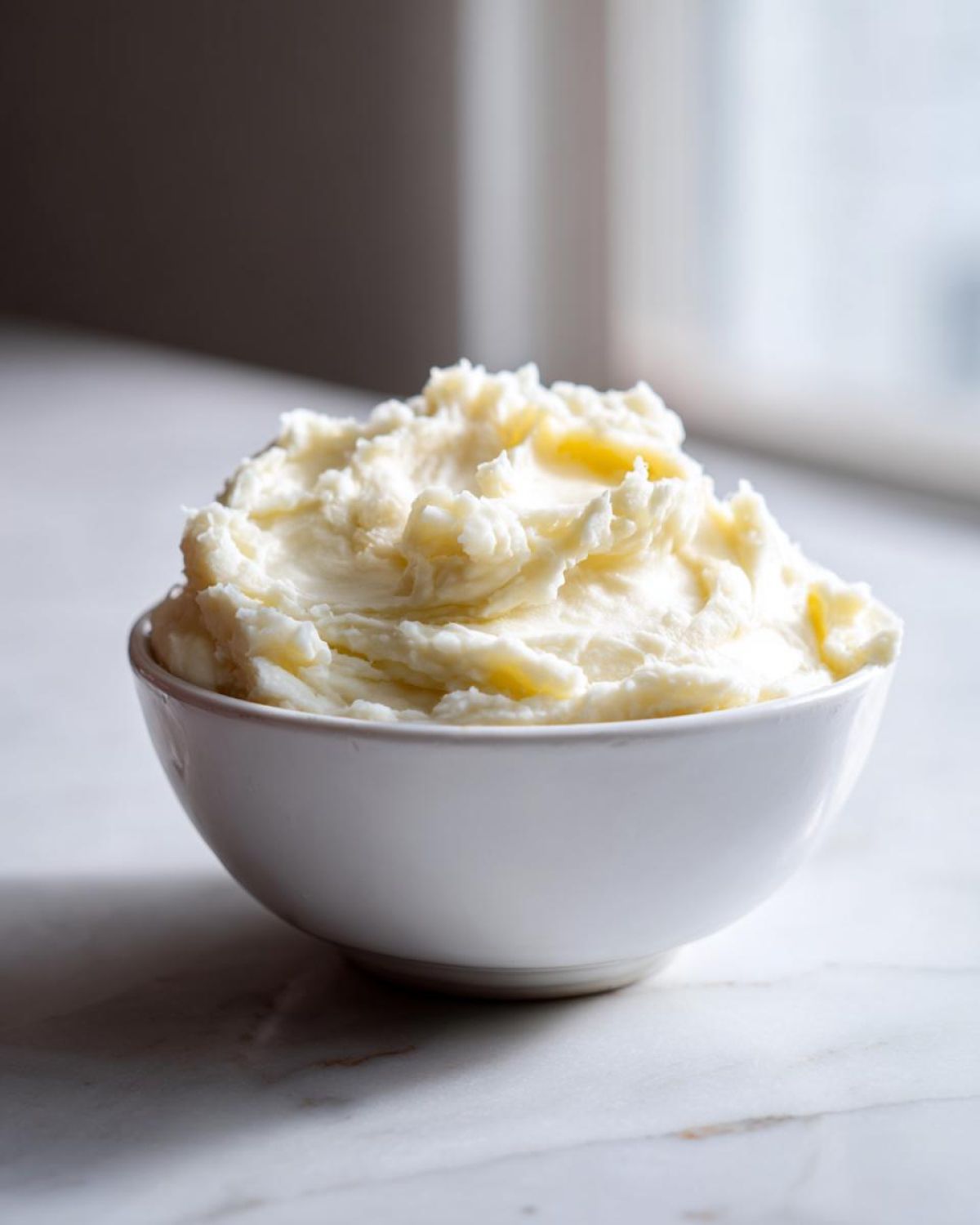
I’ve been asked the same questions about achieving potato perfection so many times that I figured it was time to just put the answers right here! Seriously, everyone has that one little hurdle they hit when trying to make amazing potatoes. Hopefully, I can clear up any lingering confusion about making your next batch of mashed potatoes a total success!
Why do my mashed potatoes turn gluey or pasty?
Oh, the dreaded gluey texture! This almost always happens for one of two reasons, usually a combination. First, you over-mixed them. Once you start adding that liquid and mushing, you are developing the starch molecules, and if you work them too hard or too long, they link up and turn into that heavy paste. That’s why I always push for gentle folding or using a ricer! Second, using the wrong potato can cause this; waxy potatoes just get slick, not fluffy. If you want the best Fluffy Mashed Potatoes Recipe, stick strictly to Russets or Idaho potatoes if you can find them.
What’s the secret to truly Creamy Mashed Potatoes?
The secret is a one-two punch of fat and temperature! You need plenty of butter, obviously, but the temperature of your dairy is crucial. If you add cold milk, your potatoes will instantly cool down, making it impossible for the fat to integrate properly and evenly coat those starch particles. Always, always, *always* warm your milk and butter together before adding them to the hot, drained potatoes. That warmth ensures everything melts smoothly and emulsifies into creamy perfection.
Can I make these ahead of time for a big Holiday Side Dishes event?
You absolutely can prep ahead, but you have to use the gentle folding method I mentioned earlier. Do not mash them completely smooth if you know they’ll sit for hours. Make them slightly rustic, fold in the butter and *half* the liquid, then store them covered in the fridge. When you are ready to serve, reheat them very slowly on the stovetop with small additions of warmed milk, stirring gently the whole time. It takes more patience, but it beats serving cold, hard lumps!
Is it okay to use an electric mixer when making Smooth Whipped Potatoes?
I strongly, strongly advise against it unless you are purposely trying to make soup! An electric mixer or a food processor whips far too much air into the mixture initially, and then it aggressively breaks down the starches, guaranteeing that gummy texture we hate. For smooth whipped potatoes, use a hand masher gently or, if you want to spoil yourself, invest in a potato ricer. A ricer gives you that fine texture without the risk of overworking the mix. If you’re interested in other incredible flavor combos, check out this amazing loaded baked potato soup recipe—it uses a similar creamy base!
Do I need to rinse the potatoes before boiling?
This is one of those absolute game-changers for achieving that restaurant quality! Yes, peeling and then rinsing the raw-cut potatoes under cold water is something I highly recommend. It washes away excess surface starch. When you boil them, that starch washes out into the water; if you don’t rinse it off first, that starch ends up back in your potatoes when you mix everything, making them heavier and significantly stickier. A quick rinse before they hit the pot ensures a cleaner, lighter final texture!
Estimated Nutritional Data for Creamy Mashed Potatoes
Now, I know we aren’t making these for a health kick; we are making them for pure, delicious comfort! These potatoes are rich, they’re buttery, and they are absolutely worth every single calorie. But since I always get asked about the nutrition facts—especially around the holidays when everyone is trying to keep track—I’ve put together a rough estimate based on the simple recipe card.
Please remember that this is just an estimate based on the ingredients listed: 2 lbs of Russets, 1/2 cup whole milk, and 4 tablespoons of butter. If you use heavy cream or add garlic, cheese, or sour cream (which I totally recommend you do sometimes!), these numbers will definitely climb higher! Eat them happily and enjoy every single spoonful.
- Yield: 4 generous servings
- Calories: Approximately 250 per serving
- Fat: Roughly 12g (A good chunk of that is the good butter!)
- Saturated Fat: Around 7g
- Carbohydrates: About 32g
- Protein: About 5g
- Sodium: Around 300mg (This can change based on how salty you make your cooking water!)
- Sugar: About 2g
This simple side dish packs a punch of energy, making it perfect fuel for a long celebration or a cold evening. Don’t sweat the numbers too much; focus on how perfectly smooth and satisfying they are!
Share Your Ultimate Mashed Potatoes Experience
Whew! We made it through the whole process. Now that your kitchen smells heavenly and you have a mountain of the creamiest, fluffiest potatoes sitting on your counter, the best part begins: enjoying them! But before you dive in with the gravy boat, I genuinely want to know how it went for you.
Did you try the cold butter folding trick for extra richness? Did you stick with the classic method? Did your family demolish the whole batch before the main course even hit the table? Tell me everything!
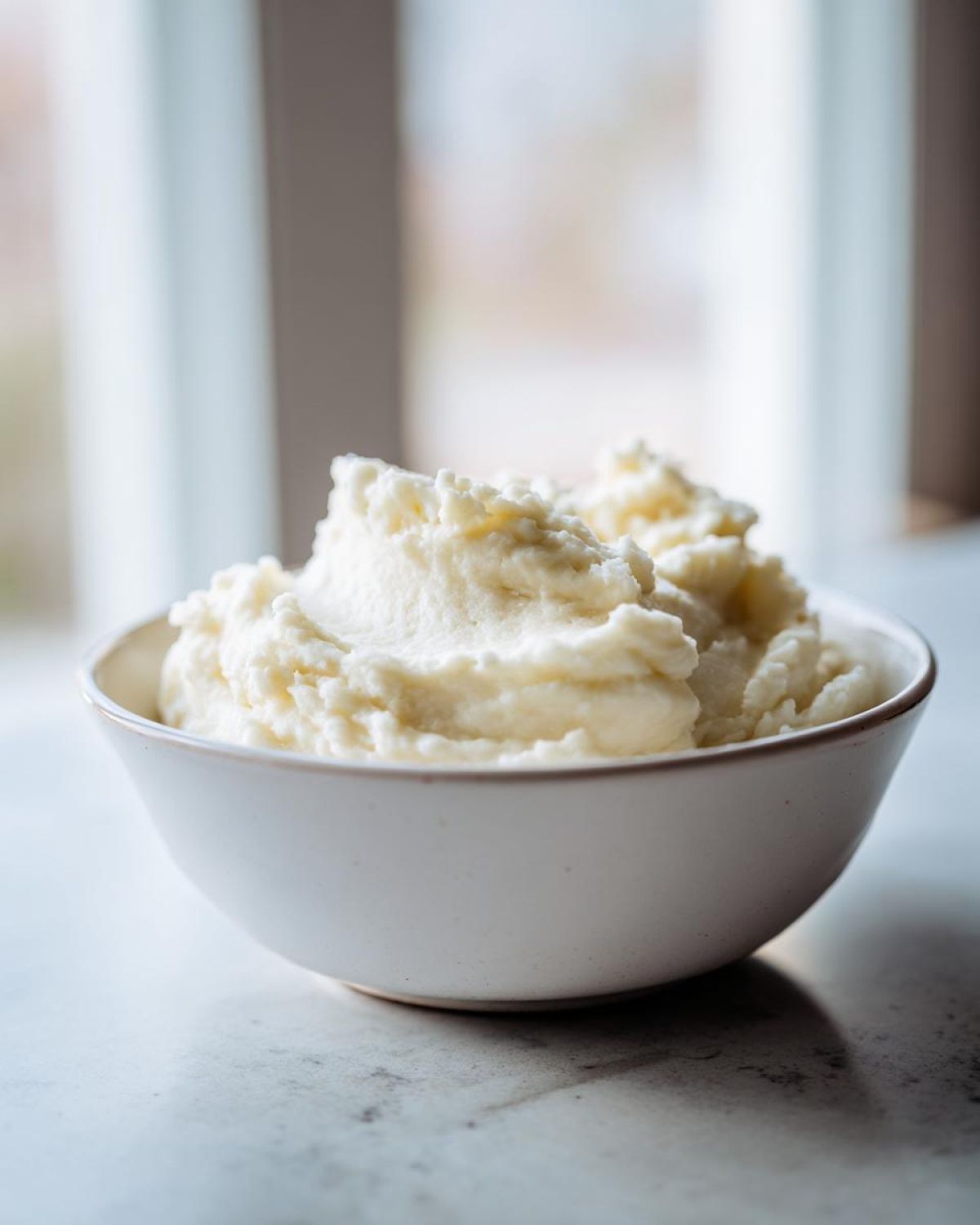
Please take a second to hit that rating button right below this section—a simple five-star rating lets me know I’m sending you in the right direction for the Best Mashed Potatoes Ever. And if you can snap a picture of your incredible, buttery side dish, please share it over on social media and tag me! I absolutely love seeing your kitchen successes. It helps me know what recipes to tackle next, maybe something sweet like that easy berry cobbler next time!
Your comments and feedback really help keep this blog going, and nothing makes me happier than hearing I’ve helped someone conquer a tricky side dish. Go get those leftovers put away safely, and I’ll see you in the comments section!
Print
Simple Mashed Potatoes
- Total Time: 30 min
- Yield: 4 servings
- Diet: Vegetarian
Description
A basic recipe for creamy mashed potatoes.
Ingredients
- 2 lbs potatoes, peeled and quartered
- 1/2 cup milk
- 4 tablespoons butter
- 1/2 teaspoon salt
- 1/4 teaspoon black pepper
Instructions
- Place potatoes in a large pot and cover with water. Bring to a boil and cook until tender, about 15 to 20 minutes.
- Drain the potatoes well.
- Return potatoes to the hot pot. Add milk, butter, salt, and pepper.
- Mash the potatoes until smooth or to your desired consistency.
- Serve immediately.
Notes
- For richer flavor, warm the milk before adding it to the potatoes.
- Use starchy potatoes like Russet for the fluffiest results.
- Prep Time: 10 min
- Cook Time: 20 min
- Category: Side Dish
- Method: Boiling
- Cuisine: American
Nutrition
- Serving Size: 1 serving
- Calories: 250
- Sugar: 2
- Sodium: 300
- Fat: 12
- Saturated Fat: 7
- Unsaturated Fat: 5
- Trans Fat: 0
- Carbohydrates: 32
- Fiber: 3
- Protein: 5
- Cholesterol: 30