
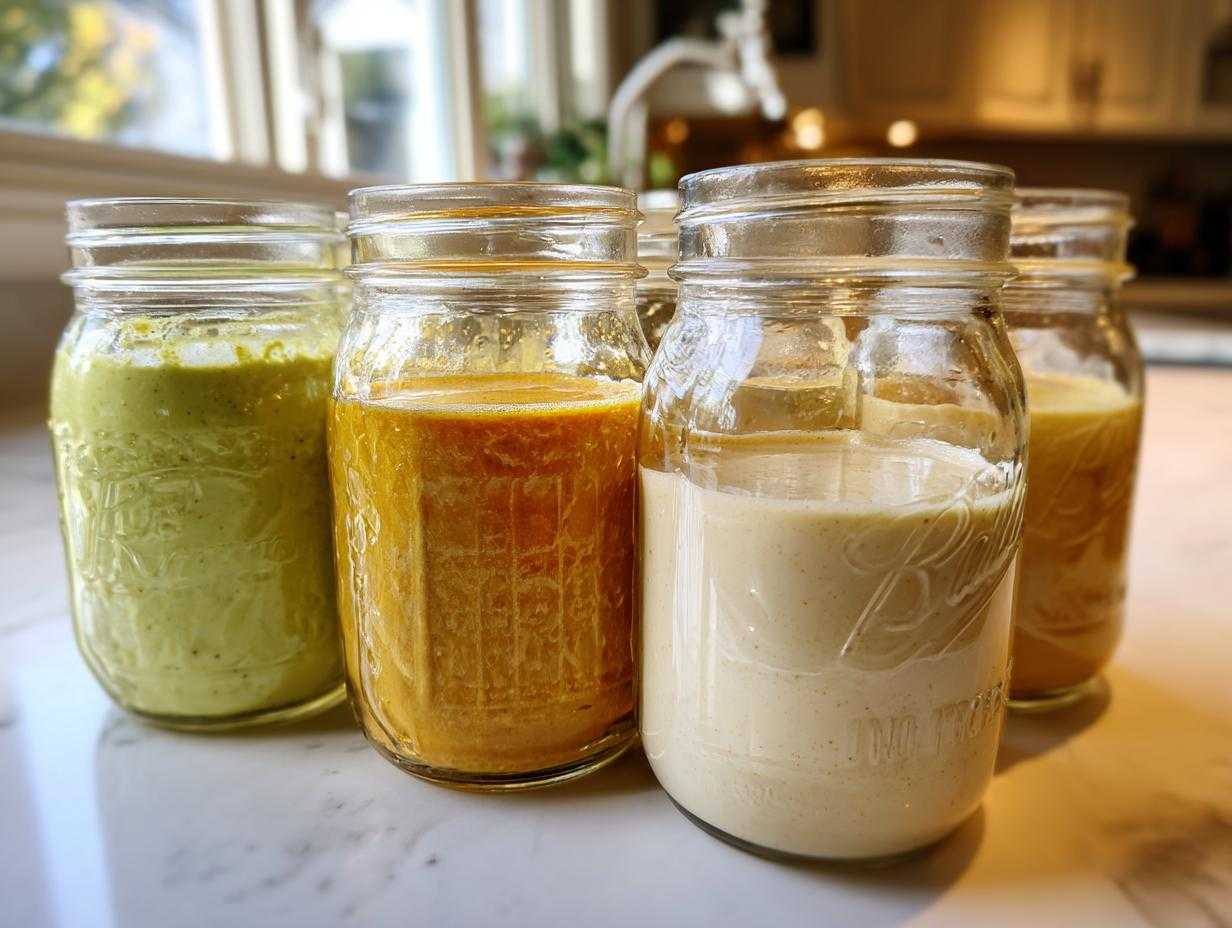
Honestly, are we still buying those sad, oily bottles of store-bought salad dressing? I’m calling time on bland salads right now! If you’ve been looking for the secret weapon to transform boring Tuesday night greens into a vibrant meal, this is it. I’ve spent years messing around, and I’ve finally nailed down the five absolute must-have homemade salad dressing recipes that cover every craving you could possibly have. Trust me when I say, mastering your own salad dressing is surprisingly easy, saves you a ton of cash, and lets you control every single ingredient that goes onto your plate. This ultimate kit is the result of all my testing—you’re getting the perfected foundations of flavor right here.
Why You Need This Ultimate Homemade Salad Dressing Kit
You’re going to wonder why you worried about bottled stuff for so long! Having these five go-to homemade salad dressing recipes ready makes life so much simpler. I promise you won’t regret ditching those sugary, chemical-laden jars.
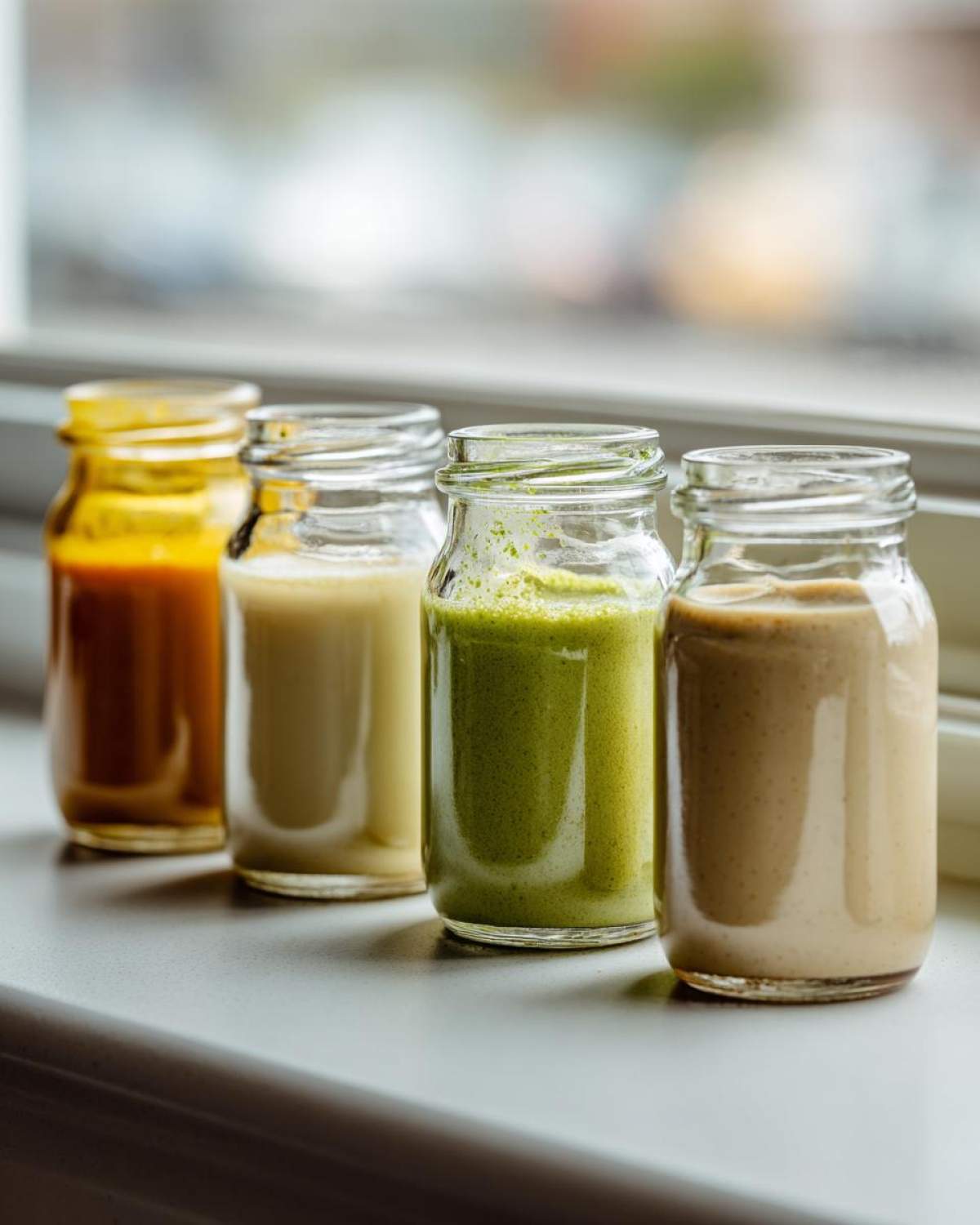
- It’s lightning fast! We are talking true 5-minute dressing assembly time here.
- You control everything: Seriously, when you make it yourself, you control the salt and sugar that go into your dressing for green salads. Hello, healthy salad dressing!
- Flavor explosion! These taste miles better than anything you find at the supermarket.
- Total versatility: This kit covers both sharp vinaigrette recipe styles and luscious creamy salad dressing options.
Get ready to elevate every single bowl of greens you eat. Seriously, this is the best salad dressing investment you’ll make all year.
Ingredients for Your Essential Salad Dressing Recipes
Okay, gather your crew! The beauty of this ultimate homemade salad dressing kit is that the ingredient lists are short and sweet. You probably have half of this stuff in your pantry already. Remember, since we are making everything from scratch, the quality of your oil and vinegar really matters here—don’t skimp on your olive oil, please!
For the Classic Vinaigrette and Maple Dijon Dressing
These two vinaigrette recipe styles are your workhorses. That little bit of Dijon mustard in the Classic Vinaigrette is the secret hero; it helps hold the oil and acid together beautifully when you shake it up. It’s the ultimate simple salad dressing base.
- Classic Vinaigrette: 3 tablespoons good quality olive oil, 1 tablespoon red wine vinegar, 1/2 teaspoon Dijon mustard, salt and pepper to taste.
- Maple Dijon Dressing: 3 tablespoons olive oil, 1 tablespoon apple cider vinegar, 1 teaspoon maple syrup (for that lovely sweetness!), and 1 teaspoon Dijon mustard.
For the Creamy Ranch Dressing Recipe and Lemon Dill Salad Dressing
Here’s where we get creamy! Notice that for the ranch dressing recipe, we’re using plain Greek yogurt. That’s my trick for keeping this creamy salad dressing super light and making it a genuinely healthy salad dressing alternative to those heavy mayo bombs.
- Creamy Ranch: 1/2 cup plain Greek yogurt (our healthy base!), 2 tablespoons buttermilk, 1 teaspoon dried dill, 1/2 teaspoon garlic powder, and salt and pepper.
- Lemon Dill Dressing: 1/4 cup olive oil, 2 tablespoons fresh lemon juice (fresh is crucial here!), 1 tablespoon fresh dill (chop it up slightly!), 1/2 teaspoon honey, and salt.
For the Simple Caesar Dressing
This Caesar dressing copycat recipe is so fast, you’ll never go back to the bottled versions again. It’s the perfect quick homemade condiment to jazz up romaine lettuce. This is a simple, quick homemade salad dressing base you’ll want to keep around.
- Simple Caesar: 1/4 cup olive oil, 2 tablespoons fresh lemon juice, 1 clove garlic (must be finely minced!), 1 teaspoon Worcestershire sauce, 1/4 cup grated Parmesan cheese, and salt and pepper. Seriously, mince that garlic well or it’ll overpower everything!
How to Make Each Homemade Salad Dressing Recipe
Putting this easy salad dressing recipe kit together takes maybe fifteen minutes total—that’s faster than driving to the store! You don’t need fancy equipment; a jar with a tight lid or a simple whisk is all you need to make dressing from scratch. Let’s get mixing so you can ditch those old store-bought tubs for good!
Creating the Classic Vinaigrette and Maple Dijon Dressing
For both of these vinaigrette recipe styles, the technique is just as important as the ingredients. For the classic salad dressing, we really want to emulsify it. That just means shaking until it looks creamy and unified, not separated!
For the Classic Vinaigrette: Dump the olive oil, red wine vinegar, Dijon mustard, and S&P right into a small jar. Secure that lid tightly—seriously tight. Then, shake it like you mean it until it looks nice and thick, not thin and watery. That’s your emulsification happening!
The Maple Dijon Dressing is similar: whisk the oil, cider vinegar, maple syrup, and Dijon in a small bowl until everything is totally combined. It should look glossy and ready to go right away.
Mixing the Creamy Ranch Dressing Recipe
Making this ranch dressing recipe is pure joy because it comes together so fast as a healthy salad dressing option. You don’t even need to use a blender for this one!
Grab a small bowl and whisk that 1/2 cup of plain Greek yogurt until it’s smooth. Then, gently whisk in the buttermilk, dried dill, garlic powder, salt, and pepper. If you taste it and think, “Hmm, a little too stiff,” just add another tiny splash of buttermilk until it flows nicely off your whisk. That’s how you make your perfect creamy salad dressing consistency.
Assembling the Lemon Dill Dressing and Caesar Salad Dressing
We are finishing strong with two flavor bombs! For the Lemon Dill Dressing, you need to whisk the fresh lemon juice and the olive oil together with the fresh dill and honey. Here’s a little trick: after you whisk it, let it sit on the counter for about five minutes. That short resting time lets the fresh dill really infuse the oil, making your lemon salad dressing taste brighter.
For the Simple Caesar Dressing, the key is that garlic. You absolutely must mince that clove as finely as you possibly can. Whisk the oil, lemon juice, minced garlic, Worcestershire, Parmesan, and seasonings together until they look creamy. Don’t forget to use your Caesar dressing copycat right away on some crisp romaine!

Tips for the Best Homemade Salad Dressing Results
People often ask me why their homemade salad dressing separates instantly or tastes too sharp, and it usually comes down to one of these small things. Making the best salad dressing isn’t about magic; it’s about respecting simple chemistry. I’ve learned these tips over years of throwing things together, so listen up if you want that perfectly textured, amazing homemade salad dressing every single time!
First, good oil is non-negotiable. If you use a really rough, bitter olive oil for your vinaigrette recipe, that’s what you’re going to taste. You want a nice, medium-bodied extra virgin olive oil that tastes fresh. It needs to be the foundation for your best salad dressing, not an afterthought.
Second, when you are making any emulsified salad dressing, the temperature of your ingredients really matters, especially for the creamy options. Make sure your yogurt or buttermilk for the ranch dressing recipe isn’t icy cold straight from the fridge. Room temperature ingredients mix together so much more smoothly, which helps you achieve that versatile salad dressing texture we are aiming for without having to over-whisk.
Third, trust the acid first! When you are trying to achieve that perfect balance—whether it’s the apple cider vinegar in the maple dijon or the red wine vinegar in the classic—always start with a tiny bit less acid than the recipe calls for. You can always add more sharpness, but you can never take it out! Taste test before you add the oil, especially with the vinaigrette recipe. That little bit of tasting confidence is what turns you from a beginner into someone who knows how to make dressing from scratch!
Finally, learn your tools. For the vinaigrette styles, shaking in a jar is faster and creates a better temporary emulsion than a whisk. But for the creamy salad dressing styles like the Caesar, which has cheese and garlic bits, you really need a good whisk to break everything down into a cohesive sauce. It’s all about choosing the right technique for the job!
Ingredient Notes and Substitutions for Your Salad Dressing
Listen, I get it—we all have different things going on in the kitchen these days, whether it’s allergies, preferences, or just running out of yogurt! The great news about this homemade salad dressing collection is that they are naturally so clean. We built these recipes to be the healthiest salad dressing options around, but we can definitely tweak them!
First off, let’s talk about diet. If you need a gluten free dressing, you are golden! Every single one of these five recipes—from the maple dijon to the Caesar—is naturally gluten free. No scary fillers or modified starches lurking here to worry about when you make dressing from scratch. That’s a huge win right there!
Making Creamy Options Vegan-Friendly
This is where you might need to get a little more creative, especially with the Creamy Ranch Dressing recipe. That ranch relies on Greek yogurt for a healthy salad dressing punch, but if you’re aiming for vegan salad dressing options, swaps are easy!
- For the Ranch: Instead of Greek yogurt, use silken tofu that you’ve blended until absolutely silky smooth, or you can grab a container of good quality vegan mayonnaise. You might need to thin it out a bit with a touch of water or extra buttermilk substitute, but the herbs and spices will cover you.
For the Caesar? Well, that Parmesan cheese is tough to swap if you want that authentic salty tang. If you must go vegan, look for a very high-quality vegan Parmesan substitute. It won’t be exactly the same, but it keeps the spirit of that quick homemade condiment alive!
Shelf Life and Freshness Reminders
Because we aren’t loading these up with the chemical preservatives that store-bought dressing uses, the shelf life is shorter, but honestly, they never last long enough in my fridge for that to matter! All these recipes generally keep beautifully for about one week. Just keep them sealed in those airtight jars we talked about. Before you pour any of them onto your salad toppings and sauces, just give them a quick whisk or a vigorous shake again. The oil and acid might separate slightly, but that just means you’ve made a truly fresh salad dressing!

Storage and Reheating Instructions for Homemade Salad Dressing
This is such an important part of making a big batch of homemade salad dressing! You don’t want to waste any of that hard work, right? Since these recipes are all so fresh and rely on real ingredients—like that fresh lemon juice or that nice thick Greek yogurt—they don’t have the lifespan of the stuff in the grocery aisle. But that’s a good thing, because it means they taste better!
Generally speaking, you can expect these five flavors to keep really well in the refrigerator for about **one week**. I usually stash mine in small Mason jars with tight-fitting lids or those little squeeze bottles I bought. Make sure you label them unless you want to spend five minutes sniffing a jar trying to remember if it’s the Maple Dijon or the Caesar!
Now, here’s the most crucial step that applies to every single batch, whether it’s your vibrant lemon salad dressing or your rich creamy salad dressing: **You must shake or whisk it again before serving.** Why? Well, even the best emulsified vinaigrette recipe will start to separate once it chills down. The oil hates the vinegar and the acid hates the oil—it’s just science!
If you’re taking out the Ranch or the Caesar, they might look a little thick after chilling because the yogurt or the cheese solids firm up. Just grab a small fork or a tiny whisk and beat it aggressively for about thirty seconds right in the jar. It will immediately loosen up and get that perfect pourable consistency we are aiming for. Don’t microwave it, don’t try to heat it—just stir it back to life. That freshness is what makes making your own amazing salad dressing so rewarding!
Serving Suggestions for Your New Salad Dressing Collection
You’ve mastered the art of making the best salad dressing from scratch, so now the fun part begins: putting them to work! That’s the whole point of having this versatile salad dressing kit—you need five perfectly tailored solutions for five different cravings. I don’t want you just drizzling that gorgeous Maple Dijon over plain iceberg lettuce; we need strategic pairings!
Think about what each dressing brings to the table. The Classic Vinaigrette is your workhorse for nearly any hearty dressing for green salads. It’s perfect for heavier greens like sturdy kale or mixed spring greens because the acidity shines through without weighing down the leaves.
Now, the creamy options are where you get to play with texture and dipping! You absolutely must try that Creamy Ranch Dressing Recipe on sliced cucumbers, carrot sticks, or even drizzled over baked potatoes—it’s way better than the bottled stuff. And that Ranch is naturally gluten free, a great snack companion.
Putting the Vinaigrettes to Work
The Maple Dijon Dressing is my favorite for adding a little warmth to texture. If you are making a salad that has nuts, maybe some dried cranberries, or even chunks of sharp cheddar cheese, the slight sweetness of that maple syrup ties everything together beautifully. Whisk up a batch, pour it over those flavorful greens, and prepare to be amazed. It’s the epitome of a quick homemade condiment!
For the Caesar Dressing Copycat, keep it classic, which is usually the best move. Pile that creamy dressing high onto crisp, cold romaine lettuce. Add some good crunchy croutons (maybe check out my guide on salad toppings and sauces for homemade crouton ideas!) and maybe a squeeze of fresh lemon juice over the top right before serving. Perfection!
Using the Brighter Flavors
The Lemon Dill Dressing might seem simple, but it’s secretly amazing on seafood salads or even drizzled lightly over steamed asparagus or roasted potatoes—it isn’t just limited to lettuce! That bright lemon cuts beautifully through any richness.

Honestly, once you have these five reliable options, you’ll find excuses to make more salads just so you can try out which homemade salad dressing pairs best. Welcome to the club—you’re never going back to the grocery store aisle!
Frequently Asked Questions About Making Salad Dressing
I totally get it; when you’re trying to make dressing from scratch, sometimes you just need a quick answer without scrolling through the whole post. Here are the top things people always ask me about mastering their very own salad dressing arsenal!
Can I make a 5 minute dressing using these recipes?
Absolutely, yes! That’s exactly why I included them in the kit. If you are in a huge rush, skip the ranch and the Caesar for now—they require a bit more whisking precision. The true speed demons here are the Classic Vinaigrette recipe and the Maple Dijon Dressing. If you have a jar and a few shakes, you’ve got a fantastic, fresh salad dressing on the table in under three minutes. They are the definition of an easy salad dressing recipe!
What is the key difference between a vinaigrette recipe and a creamy salad dressing?
This is such a good foundational question! The main difference comes down to the ratio and what you use to hold the oil and acid together. For a standard vinaigrette recipe—like the Classic or the Maple Dijon—you generally stick to a three-parts oil to one-part acid ratio. The Dijon mustard is key because it acts as a mild emulsifier, meaning it helps keep the oil and vinegar cozy together when you shake them up.
For a creamy salad dressing, like the Ranch or the Caesar dressing copycat, you introduce a thick, opaque ingredient like Greek yogurt, mayonnaise, or sometimes even avocado. This ingredient acts as the primary emulsifier, creating that thick, uniform texture. So, the difference is the backbone: starch/acid ratio versus an added creamy binder!
Are these recipes suitable if I need a gluten free dressing?
You bet they are! This entire collection was designed to be wonderfully inclusive. Every single one of these five fresh salad dressing options—the vinaigrettes, the ranch, the lemon dill, and even the Parmesan-heavy Caesar—is naturally gluten free dressing material. You don’t have to worry about hidden wheat fillers or thickeners here, which is one of the biggest advantages of making your own salad dressing instead of grabbing a jar off the shelf.
Nutritional Estimates for Homemade Salad Dressing
Okay, let’s talk numbers for a minute. Since this kit is designed to be a healthy salad dressing alternative, I tried to keep the heavy stuff down, especially in the vinaigrettes. But remember, this is homemade, right? That means your brand of olive oil or the amount of Parmesan you sneak into the Caesar will change things slightly.
The figures below are based on a standard **2 tablespoon serving size** for an *average* of the five recipes combined. Do not treat this like a certified lab report; it’s a helpful guide so you know you’re making smart choices!
For example, if you primarily eat the Creamy Ranch, you are going to have higher calories and fat than if you stick to the Classic Vinaigrette. But look at the sugar content—that’s the biggest win! We’ve kept the sugar ridiculously low compared to store-bought options, which is why this is the best salad dressing kit to keep stocked in your fridge.
- Calories: Around 120 per serving
- Total Fat: Approximately 13g
- Saturated Fat: About 2g (mostly from the cheese/yogurt)
- Unsaturated Fat: Roughly 11g (Hello, healthy olive oil!)
- Trans Fat: 0g—Yes!
- Carbohydrates: Just 1g total
- Fiber: 0g
- Sugar: Only about 1g (This is the difference maker! Keep shaking those jars!)
- Protein: About 1g
- Cholesterol: Around 5mg
See? When you make your own salad dressing, you can avoid all that unnecessary junk. These numbers confirm we are making smart, versatile salad dressing choices here!
Print
Ultimate Homemade Salad Dressing Kit: 5 Essential Recipes
- Total Time: 15 min
- Yield: About 1/2 cup each
- Diet: Vegetarian
Description
Make five versatile, healthy salad dressings from scratch in minutes. This kit includes a classic vinaigrette, creamy ranch, bright lemon dill, maple dijon, and a simple Caesar copycat.
Ingredients
- For Classic Vinaigrette: 3 tablespoons olive oil, 1 tablespoon red wine vinegar, 1/2 teaspoon Dijon mustard, salt and pepper to taste
- For Creamy Ranch: 1/2 cup plain Greek yogurt, 2 tablespoons buttermilk, 1 teaspoon dried dill, 1/2 teaspoon garlic powder, salt and pepper
- For Lemon Dill: 1/4 cup olive oil, 2 tablespoons fresh lemon juice, 1 tablespoon fresh dill, 1/2 teaspoon honey, salt
- For Maple Dijon: 3 tablespoons olive oil, 1 tablespoon apple cider vinegar, 1 teaspoon maple syrup, 1 teaspoon Dijon mustard
- For Simple Caesar: 1/4 cup olive oil, 2 tablespoons lemon juice, 1 clove garlic minced, 1 teaspoon Worcestershire sauce, 1/4 cup grated Parmesan cheese, salt and pepper
Instructions
- Prepare the Classic Vinaigrette: Combine oil, vinegar, mustard, salt, and pepper in a small jar. Seal the jar and shake well until emulsified.
- Prepare the Creamy Ranch: Whisk together Greek yogurt, buttermilk, dill, garlic powder, salt, and pepper in a small bowl until smooth. Add more buttermilk if a thinner consistency is desired.
- Prepare the Lemon Dill Dressing: Whisk together olive oil, lemon juice, fresh dill, honey, and salt. Let stand for 5 minutes for flavors to meld.
- Prepare the Maple Dijon Dressing: Combine oil, vinegar, maple syrup, and Dijon mustard in a small bowl. Whisk until fully combined.
- Prepare the Simple Caesar Dressing: Mince the garlic finely. In a small bowl, whisk together oil, lemon juice, minced garlic, Worcestershire sauce, Parmesan cheese, salt, and pepper until creamy.
- Store all dressings in separate airtight containers in the refrigerator. Shake or whisk before serving.
Notes
- All these recipes are naturally gluten free.
- For vegan options, substitute Greek yogurt in the Ranch with silken tofu or vegan mayonnaise.
- These dressings keep well for up to one week in the refrigerator.
- Prep Time: 15 min
- Cook Time: 0 min
- Category: Condiment
- Method: Whisking/Shaking
- Cuisine: American
Nutrition
- Serving Size: 2 tablespoons
- Calories: 120
- Sugar: 1
- Sodium: 90
- Fat: 13
- Saturated Fat: 2
- Unsaturated Fat: 11
- Trans Fat: 0
- Carbohydrates: 1
- Fiber: 0
- Protein: 1
- Cholesterol: 5

