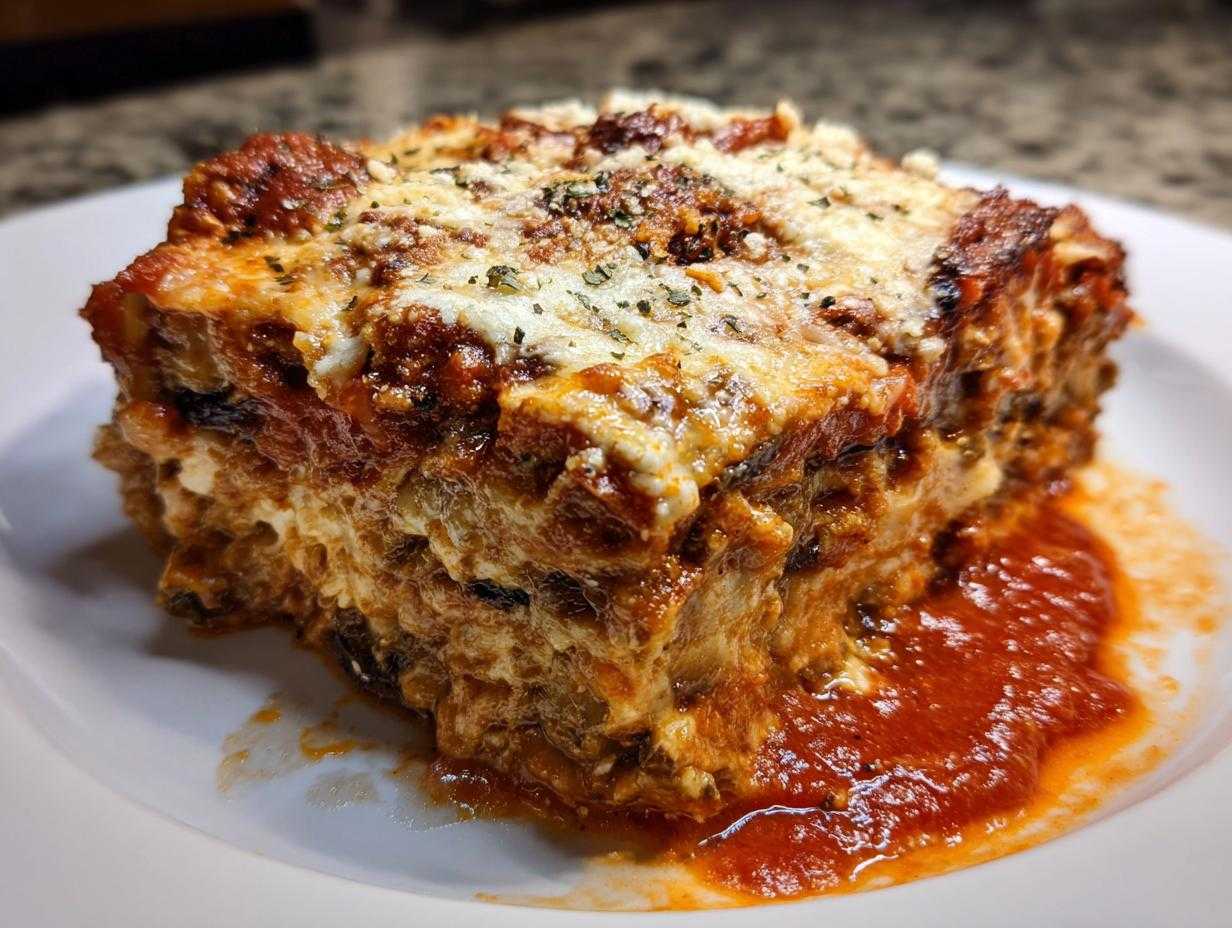
Oh, I totally get it. You’re tired of those watery, sloppy versions of Eggplant Parmesan that just don’t hold up, right? When I think of true Italian food, I think of something that respects the ingredient, and that means respecting tradition. Forget the shortcuts for a minute; we’re going back to basics here. This isn’t just another baked casserole; this is my guide to the definitive Eggplant Parmesan Recipe Authentic—the one that tastes like it came straight from Nonna’s kitchen in Sicily. We’re talking about using specific cheeses and getting that eggplant just right with the old-school salting trick. Trust me, once you master these heritage techniques, you’ll never go back.
Why This is the Eggplant Parmesan Recipe Authentic You Need (E-E-A-T Focus)
Look, making Melanzane alla Parmigiana the real way takes a little thought, but that’s where the magic happens! Authenticity isn’t just a buzzword for me; it’s about respecting how centuries of Italian cooks built this dish. We focus exactly on the principles that matter: drawing the water out of the eggplant so you don’t end up with soup, and using tomatoes that actually taste like Italian sunshine.
The secret sauce, pardon the pun, is ingredient quality. I absolutely insist on using real San Marzano tomatoes—they’re sweeter and less acidic, giving you that perfect simmer base without needing tons of sugar. And honestly, if you aren’t grating Parmigiano-Reggiano fresh off the block? You’re missing out! This dish relies on those quality ingredients singing together beautifully.
The Role of Cheese in Traditional Melanzane alla Parmigiana
Cheese layering might seem simple, but it’s crucial here. We can’t just toss in any shredded white cheese and call it a day. You need thin slices of fresh mozzarella—the kind that still holds a bit of moisture but melts beautifully. That fresh quality gives you those distinct, creamy ribbons after baking.
But here’s the real powerhouse combo: you need both Parmigiano-Reggiano *and* Pecorino Romano. The Parmigiano brings that nutty depth, but the Pecorino adds a little salty tang and bite that cuts through the richness of the eggplant and tomato. If you use generic Parmesan, the flavors just flatten out. Trust me, these three cheeses working together are the bedrock of an authentic bake. While you’re thinking about great Italian flavors, you should check out my recipe for Italian Herb and Cheese Bread; it’s fantastic for dipping!
Gathering Ingredients for Your Authentic Italian Baked Eggplant
Okay, the ingredient list looks simple, but every item here plays a huge role in achieving that authentic Italian flavor profile we’re chasing! When we talk about Traditional Melanzane alla Parmigiana, we aren’t looking for substitutes. We need robust, clean flavors that stand up to the baking process.
You are going to need three pounds of eggplant, good flour, those four essential eggs, and decent breadcrumbs. Then, we move onto the stars: the cheese and the tomatoes. Don’t skimp here, because these ingredients are doing the heavy lifting in terms of flavor!
Ingredient Notes and Substitutions for Eggplant Parmesan Recipe Authentic
Let’s talk eggplant first. When you’re at the market, you want firm ones—they should feel heavy for their size and have skin that looks taut and glossy, not wrinkled at all. That tells you they hold less water, which is critical for the frying step later on.
Now for the tomatoes. If you can find San Marzano canned tomatoes, grab them! They are grown in the volcanic soil near Naples, giving them incredible sweetness. If you crush them by hand instead of using a blender, you get a prettier, slightly chunkier sauce that holds up better in the layers. And basil? Only fresh will do. Dried basil just doesn’t give you that bright, peppery aromatic lift that finishes this dish perfectly. Thinking about adding sweetness elsewhere? You might want to check out my guide to caramelized onions, but trust me, we keep the Parmigiana sauce simple!
Crispy Eggplant Parmesan Frying Technique for the Best Texture
This is where most people mess up their authentic attempts, so listen closely—we are fighting water with fire, figuratively speaking! If you skip or rush the initial salting, your final bake will be swimming in liquid. You need to slice those eggplants about 1/4-inch thick, lay them on paper towels, and hit them hard with salt. We are drawing out all that bitter moisture they hold hostage. Leave them alone even when you’re impatient; 30 minutes minimum!
Once they’re nice and sweaty, pat them bone-dry. Seriously! Grab fresh paper towels and press hard. Next, we set up the dredging station—simple, classic Italian style: flour, egg, and then breadcrumbs. Make sure every slice gets a good coat in all three stations. The goal is a light but fully encased piece of eggplant, ready for the hot oil.
Now, heat your olive oil—and use enough oil so the slices can actually swim, don’t just shallow-fry them halfway! The temperature needs to be just right—medium-high. If the oil smokes immediately, it’s too hot and your breading will burn before the inside cooks. If it bubbles sluggishly, it’s too cold, and the eggplant soaks up oil like a sponge. We are looking for a busy, rolling bubble when the slice goes in. Fry them quickly, about two or three minutes per side, until they are that gorgeous, deep golden brown. Pull them out onto a rack, not paper towels alone, if you can, to let that excess oil drip away. This double-action prep—salting then frying—is what keeps your layers perfect! If you want to see this technique in action with another food, you can peek at how I get my wings crispy here: crispy deep-fried chicken wings recipe.
Crafting the San Marzano Tomato Sauce for Parmigiana
When you’re aiming for that deeply authentic Italian flavor, the sauce needs to be humble and letting the tomatoes speak for themselves. Forget long, complex cooking sessions packed with oregano and dried spices—that’s not how Nonna did it!
For this sauce, we keep it streamlined. We heat a little good olive oil in a respectable saucepan and gently infuse it with a couple of minced garlic cloves until they just start to smell fragrant—we are not looking for brown garlic here, just flavor transmission! Then, in go those beautiful, hand-crushed San Marzano tomatoes, plus salt and pepper. That’s it for the main ingredients.
Now comes the patience. We let this just barely bubble—a gentle simmer—for about 20 minutes. This slow cook concentrates the tomato flavor beautifully without needing heavy seasoning manipulation. Right at the end, tear up some fresh basil leaves and stir them in for just the last five minutes. That bright, herby finish is all we need to complement the richness of the eggplant and tomato layers. It’s unbelievably simple, but wow, the flavor is huge. You’ll want this easy sauce recipe for dipping later, so check out my guide for homemade marinara sauce anytime!
Assembling the Layers of Eggplant and Tomato Sauce
Now that your eggplant is perfectly golden and your sauce is fragrant, it’s time for the fun part—the layering! This is where the dish earns its ‘Parmigiana’ title, turning into a beautiful, stratified casserole. First things first: grease your 9×13 baking dish lightly. Then, you need to start with a proper foundation. Don’t put the eggplant down first!
Always begin with a thin, even coating of that beautiful tomato sauce spread right across the bottom of the dish. This prevents sticking and adds that essential tomato element to the first layer. Next, lay down your first batch of slightly overlapping, crispy eggplant slices. Make sure they cover the sauce completely—no bare spots allowed!
Once your first eggplant layer is set, distribute your cheeses thoughtfully. Sprinkle mozzarella slices thinly, followed by a generous handful of the grated Parmigiano-Reggiano. Then, drizzle just a little more sauce over the cheese. If you’re making a big stack, you want that sauce and cheese distributed evenly throughout so every single bite has flavor structure. Repeat this sequence: eggplant, mozzarella, Parmigiano, sauce. You keep going until you run out of ingredients, but this is important: always finish with a sauce layer on top, crowned generously with the remaining Parmigiano and Pecorino Romano. That final cheese crust is what gets bubbly and irresistible in the oven! For inspiration on layering comfort food, you can look at how I structure my lasagna with cottage cheese recipe; the stacking concept is similar!
Baking and Resting: The Final Steps for Melanzane Parmigiana Step by Step
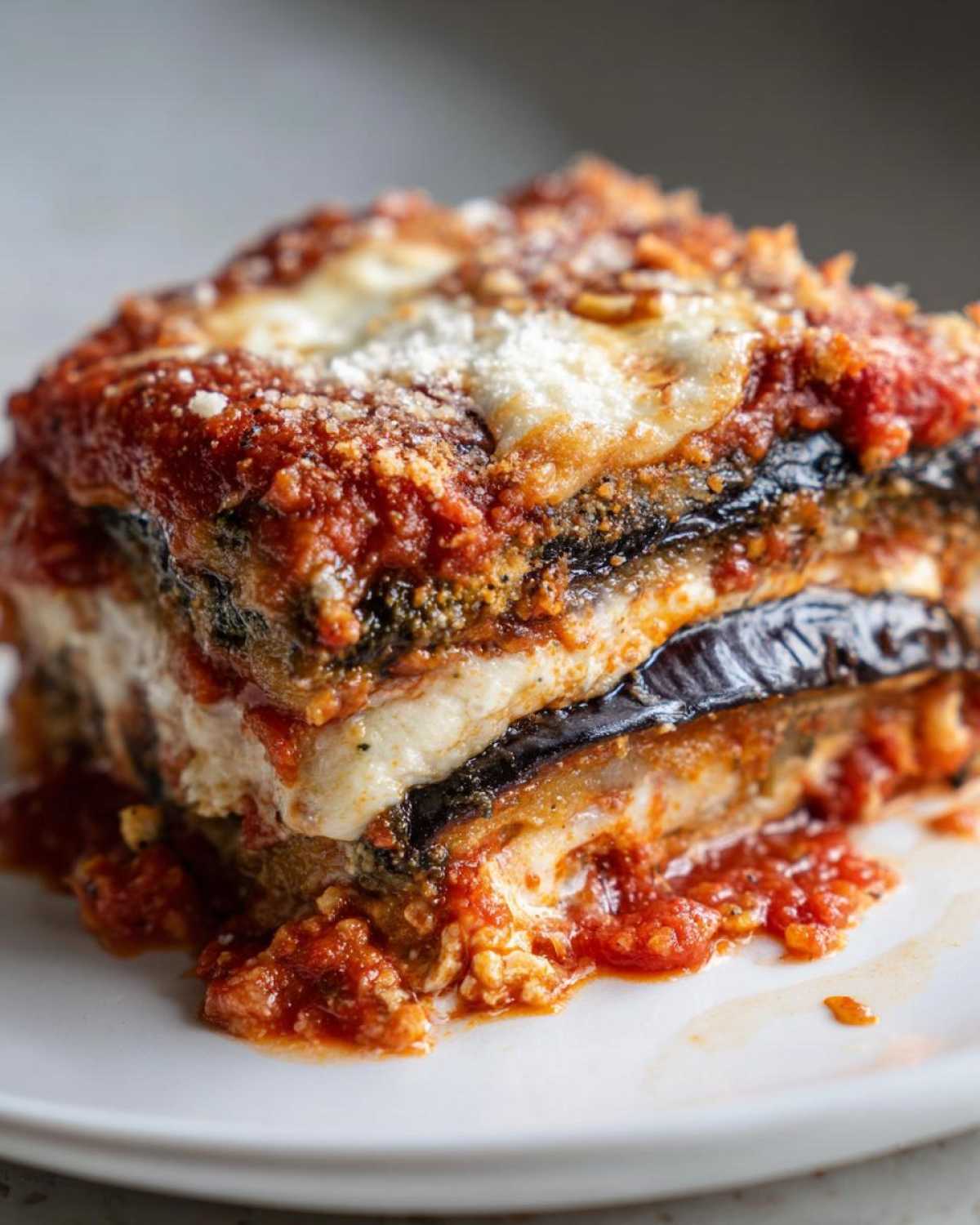
We’ve salted, dredged, fried, sauced, and layered—now it’s time for the oven to do the heavy lifting! Preheat your oven to 375°F (190°C). The baking time is usually around 30 to 35 minutes. You’ll know it’s ready when the entire top layer of cheese is melted, bubbly, and just starting to take on a lovely light brown hue. It should look exactly like the comforting, rich baked dish you’ve been dreaming about!
But wait! Don’t grab a fork right away! This is the most underrated step in any Authentic Italian Baked Eggplant recipe: the rest time. You absolutely MUST let that dish sit out on the counter for at least 15 minutes after it comes out of the oven. If you cut into it immediately, all that glorious melted mozzarella and sauce will just run everywhere, making your beautiful layers collapse into a soupy mess.
Giving it that 15-minute cool-down allows the structure to set, the cheeses to firm up slightly, and the flavors to actually meld together properly. I know it’s hard waiting when something smells this good, but this step is non-negotiable for perfect presentation and texture. When you finally slice into it, those layers will hold their shape just beautifully. For more recipes that require a little patience for a big payoff, check out my easy berry cobbler recipe!
Tips for the Best Homemade Eggplant Parmesan Experience
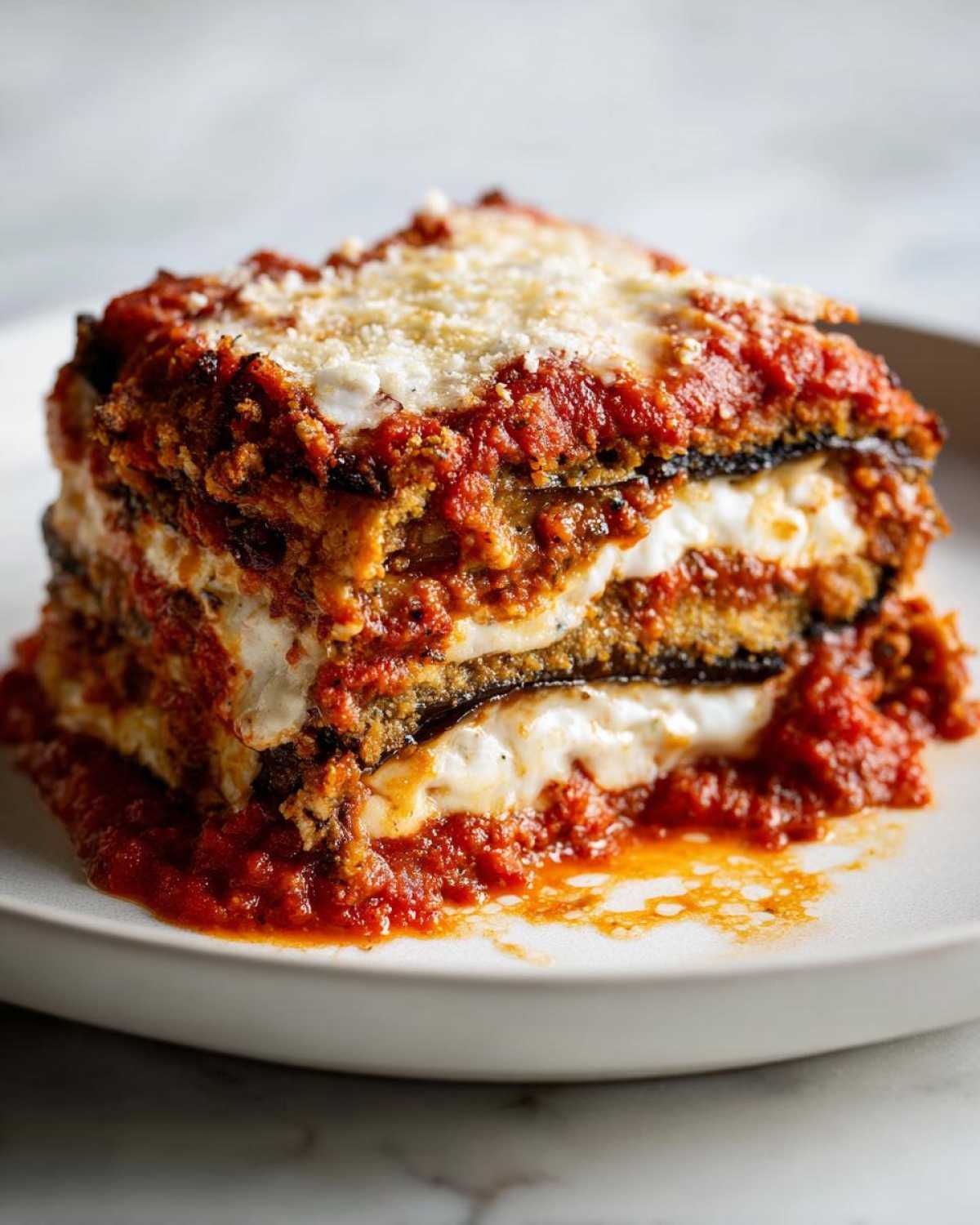
We’ve covered the traditional methods, but now let’s talk about those little things that make your home version truly unbeatable. Getting that authentic taste means paying attention to the finishing details, not just the main assembly!
First off, you know how I mentioned resting the dish? That applies to leftovers too! This is genuinely one of the best Italian comfort food dinner ideas because it tastes even better the next day. When you reheat, do it slowly in the oven, not the microwave, so the cheese melts back properly. This lets those flavors marry even further.
Also, pay attention to your baking dish. A heavier ceramic or glass dish insulates better than a thin metal pan, which helps avoid over-browning the bottom while the center is still warming through. I promise, it makes a difference in the structure!
One last pro tip: if you’re nervous about the eggplant being truly dry after salting, press the slices between two cutting boards using a couple of heavy cans for about 10 minutes. It forces out that last bit of unwanted water. It’s a little extra step, but it’s absolutely worth the bragging rights when your layers stay distinct. For the best sweet finish after such a savory meal, you should try my recipe for the best soft chewy chocolate chip cookies.
Frequently Asked Questions About Authentic Eggplant Parmesan Recipe
I know when you commit to making an Authentic Italian Baked Eggplant, you have questions! It’s only natural when you’re trying to nail down those historical techniques. People always ask me if they can skip the frying, which is probably the biggest question I get about this Eggplant Parmesan Recipe Authentic.
The short answer is yes, you *can* skip frying, but heed my warning: you won’t get the same texture! Frying creates that structural integrity we need to stop the dish from collapsing. Baking or air-frying the slices results in a spongier texture that absorbs more sauce immediately, and that’s just not traditional Parmigiana Di Melanzane Authentic Recipe style. Also, people wonder about the difference between ‘Parmesan’ and ‘Parmigiana’—Parmigiana just means it’s layered, like a lasagna, showing its Sicilian/Southern Italian heritage!
Can I make this Italian Comfort Food Dinner Ideas recipe ahead of time?
Oh, you absolutely can, and I encourage it! This dish truly shines the next day. You can assemble the entire casserole—sauce, eggplant, cheese—layer by layer, cover it tightly with plastic wrap, and keep it in the fridge for up to 24 hours. When you’re ready to bake, just let it sit on the counter for about 30 minutes to take the chill off, then bake as directed. The flavors deepen beautifully overnight, making it a fantastic choice when you need easy comfort food!
Is Parmigiana Di Melanzane Authentic Recipe supposed to have meat?
Nope, not traditionally! When you find a truly authentic Melanzane alla Parmigiana recipe, especially from the Southern Italian regions, it is purely vegetarian. It’s built around the trinity of eggplant, tomato, and cheese. While some restaurants add ground meat or sausage, that’s a modern, sometimes American-style adaptation. Stick to the classic method we used here—it highlights the freshness of the vegetables and cheeses perfectly. You can pair it with my recipe for easy cheesy rice for a satisfying vegetarian feast if you need a side!
Serving Suggestions for This Vegetarian Italian Main Dish
Since this Authentic Eggplant Parmesan Recipe is rich, deeply savory, and absolutely packed with tomato and cheese flavor, you don’t want to weigh down the plate with anything too heavy. We want sides that offer contrast and freshness to balance all that glorious baked goodness!
The number one pairing, hands down, is something crisp and sharp. A simple, bright green salad is perfect for cutting through the richness of the mozzarella and fried eggplant. Think about tossing some bitter greens—like arugula or radicchio—with a very bright, tangy vinaigrette made mostly of lemon juice and peppery olive oil. No creamy dressings allowed here; we need acid!
And of course, you need bread. You simply have to have good, crusty Italian bread available. Why? Because you need something sturdy to sop up those last little pools of tomato sauce and melted cheese left behind in the bottom of your serving plate. Don’t use soft, fluffy white bread; get something with a real chew to it! For a really great, refreshing simple salad that pairs perfectly, you must try this easy crunchy cabbage salad with zesty vinaigrette; it offers the perfect texture counterpoint.
If you’re serving this as part of a bigger meal, keep the other elements minimal. Maybe just some lightly roasted asparagus tossed with a little salt and lemon zest. The Parmigiana is the star, and everything else is just there to hold its coat and look pretty!
Print
Authentic Melanzane alla Parmigiana
- Total Time: 95 min
- Yield: 6 servings
- Diet: Vegetarian
Description
A traditional Italian recipe for Eggplant Parmesan using simple ingredients and layering techniques to achieve the classic flavor profile.
Ingredients
- 3 large eggplants (about 3 lbs)
- 1 cup all-purpose flour
- 4 large eggs, lightly beaten
- 2 cups fine dry breadcrumbs
- Olive oil, for frying
- 1 (28 ounce) can whole peeled San Marzano tomatoes, crushed by hand
- 2 cloves garlic, minced
- 1/4 cup fresh basil leaves, torn
- Salt and black pepper to taste
- 1 pound fresh mozzarella cheese, sliced thinly or shredded
- 1 cup freshly grated Parmigiano-Reggiano cheese
- 1/2 cup grated Pecorino Romano cheese
Instructions
- Slice the eggplants crosswise into 1/4-inch thick rounds. Lay them on paper towels, sprinkle generously with salt, and let them sit for 30 minutes to draw out moisture. Pat them completely dry with fresh paper towels.
- Set up a breading station: one shallow dish with flour, one with beaten eggs, and one with breadcrumbs. Dredge each eggplant slice first in flour, shaking off excess, then dip in egg, and finally coat thoroughly in breadcrumbs.
- Heat about 1 inch of olive oil in a large, heavy skillet over medium-high heat. Fry the breaded eggplant slices in batches until golden brown on both sides, about 2-3 minutes per side. Remove and drain on a wire rack or paper towels.
- Prepare the sauce: In a saucepan, heat 2 tablespoons of olive oil over medium heat. Add the minced garlic and cook until fragrant, about 1 minute. Add the crushed San Marzano tomatoes, salt, and pepper. Simmer gently for 20 minutes, stirring occasionally. Stir in the fresh basil during the last 5 minutes.
- Preheat your oven to 375°F (190°C). Lightly grease a 9×13 inch baking dish.
- Begin layering: Spread a thin layer of tomato sauce on the bottom of the dish. Arrange a single layer of fried eggplant slices over the sauce, overlapping slightly.
- Top the eggplant with a layer of mozzarella, a sprinkle of Parmigiano-Reggiano, and a drizzle of sauce.
- Repeat the layers: eggplant, mozzarella, Parmigiano-Reggiano, sauce, until all ingredients are used, finishing with a layer of sauce topped generously with the remaining Parmigiano-Reggiano and Pecorino Romano cheeses.
- Bake for 30 to 35 minutes, or until the cheese is melted, bubbly, and lightly browned.
- Let the Parmigiana rest for at least 15 minutes before slicing and serving. This allows the layers to set.
Notes
- For the most authentic texture, use fresh, low-moisture mozzarella rather than pre-shredded.
- Resting time after baking is crucial; it prevents the dish from becoming soupy when you cut into it.
- If you prefer not to fry, you can bake the breaded slices until lightly golden before assembling, but frying yields the traditional texture.
- Prep Time: 45 min
- Cook Time: 50 min
- Category: Main Course
- Method: Baking
- Cuisine: Italian
Nutrition
- Serving Size: 1 slice
- Calories: 450
- Sugar: 8
- Sodium: 650
- Fat: 28
- Saturated Fat: 12
- Unsaturated Fat: 10
- Trans Fat: 0
- Carbohydrates: 30
- Fiber: 5
- Protein: 22
- Cholesterol: 75