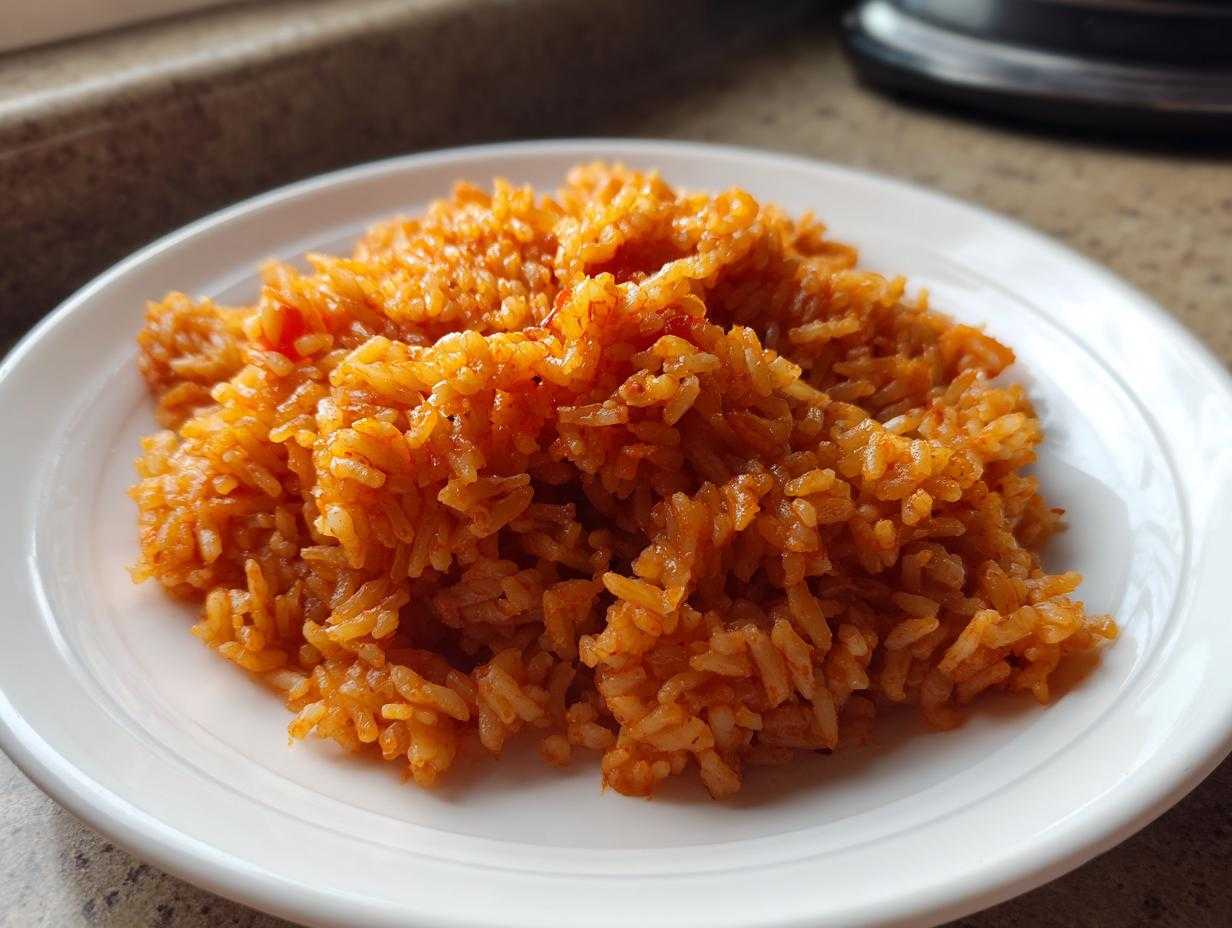
Listen, if there’s one dish that stops a party dead in its tracks, it’s a pot of perfectly cooked jollof rice. Honestly, it’s more than just rice; it’s a cultural milestone! Every family and every country in West Africa has their own fierce opinion on how it *should* be made, and that little friendly rivalry is half the fun.
I spent years trying to replicate that deep, almost burnt, smoky flavor you only get from a serious party pot. My first few attempts were… well, let’s just say they were too pale, or worse, mushy catastrophe. But I finally nailed it down to an Authentic Smoky Nigerian Jollof Rice recipe that is shockingly beginner-friendly. Trust me, once you get the stew base right, everything else just falls into place.
I remember the first time I got that signature smoky hint just right—I nearly cried! It was that rich, heady aroma wafting through the kitchen. I knew then I had cracked the code for making memorable jollof rice that tastes like a celebration, even on a Tuesday night.
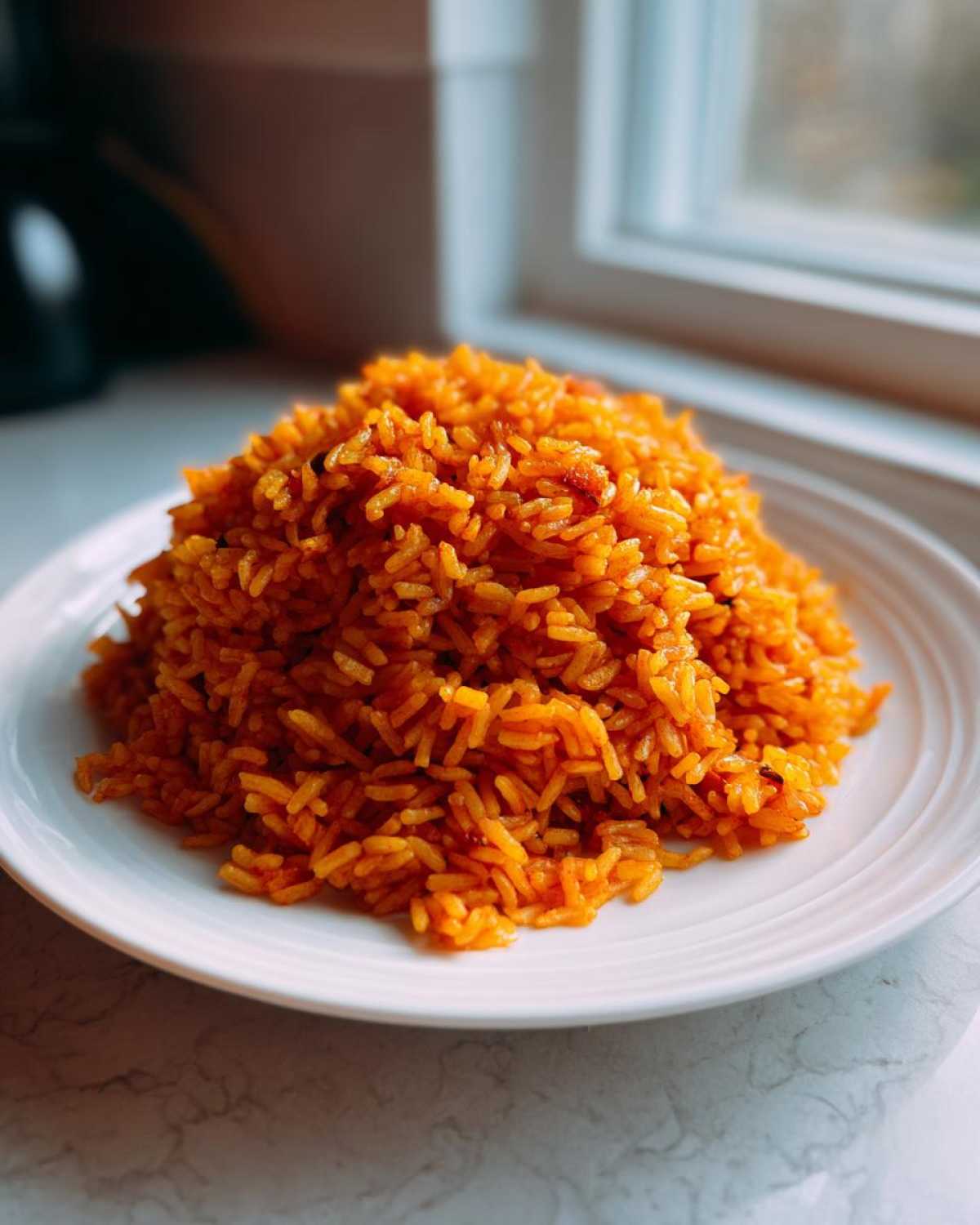
Why This Authentic Nigerian Jollof Rice Recipe Works (The Flavor Secrets)
The magic really happens long before the rice hits the pot, I’ll tell you that for free! It’s all about building that flavor foundation—the stew base. This isn’t just pouring sauce over rice; it’s about creating a concentrated tomato and pepper punch that coats every single grain perfectly. Get this step right, and you’re halfway to the winner’s circle of jollof rice makers.
We focus on technique here, not just ingredients. If you want that deep, sunset-orange color and that unbeatable savory depth, you must be patient while frying the tomato paste. I even add cooked-down, caramelized onions to my paste sometimes for extra richness—you can check out how I make those here if you want to add an extra layer of sweetness!
Achieving Smoky Jollof Rice Flavor
That smoky flavor everyone chases? It comes from embracing the slight burn! We call it ‘bottom pot.’ Once the liquid is mostly absorbed during the steaming phase, you crank the heat up for just a minute or two so the rice directly touching the pot bottom toasts up a little. It shouldn’t be black ash, just deeply caramelized. That slight char distributes through the whole pot as it rests. It’s tradition, pure and simple!
Selecting the Best Rice Type for Jollof Rice
Don’t just grab any bag of rice! For that classic Nigerian style, you absolutely need parboiled long-grain rice. It holds its shape way better than regular white rice. It resists breaking and getting mushy, which is the number one tragedy in a jollof rice competition. If you can’t find parboiled, a good quality Basmati works in a pinch for separating the grains, but stick to parboiled if you can find it for the most authentic structure.
Essential Ingredients for Flavorful Jollof Rice
Okay, the ingredient list for this jollof rice looks simple, but every single item plays a massive role in getting that signature deep color and incredible depth. We aren’t messing around with substitutes here—we need that robust pepper blend to form the backbone of our flavor! Remember, this recipe serves about six hungry people, so make sure you have enough chicken stock ready because that liquid is life for this pot of goodness.
When you gather your supplies, pay attention to how the peppers and tomatoes need to be prepped. It makes such a difference later when we blend them into that amazing stew base. Don’t forget to grab your favorite bouillon cube; that salty, savory hit is non-negotiable for traditional flavor!
Here is exactly what I use every time I make my Authentic Smoky Nigerian Jollof Rice:
- 3 cups parboiled long-grain rice (washed really well!)
- 1.5 lbs chicken pieces (or whatever meat you want to cook separately—use the broth!)
- 4 large ripe tomatoes, roughly chopped
- 2 red bell peppers (those sweet tatashe peppers work best)
- 1 scotch bonnet pepper (warning: this brings the heat—adjust to your thrill level!)
- 1 large onion, half chopped for sautéing, half for the blended base
- 1/2 cup vegetable oil
- 4 cups chicken stock (or water if you didn’t cook chicken first)
- 2 tablespoons tomato paste (the thick stuff!)
- 1 teaspoon dried thyme
- 1 teaspoon curry powder
- 2 bay leaves
- 1 teaspoon salt, or a little more to taste once the stock is added
- 1/2 teaspoon ground black pepper
- 1 bouillon cube (Maggi or Knorr is my go-to, adds so much flavor!)
If you’re looking for ideas on how to jazz up the sides while your jollof simmers, I have some great inspiration for other one-pot meals too, like this Spanish rice that gives you an idea of how big flavor can come from humble beginnings!
Step-by-Step Instructions: How to Make Jollof Rice Perfectly
Alright, this is where we bring all those beautiful ingredients together to create magic! Cooking authentic Nigerian jollof rice is a lot like building a house; you need a solid foundation, which is that stew base we talked about. Don’t rush the simmering, or your final dish will taste watery, and trust me, we want it rich and deep! Follow these steps closely, and you’ll have fluffy, perfectly seasoned rice every time. If you want to see how I handle flavor in other one-pot meals, check out my Spanish rice recipe for inspiration!
- First up, we create the flavor core! Roughly chop your tomatoes, bell peppers, scotch bonnet, and half of that onion. Pop all that into your blender and blitz it until it’s super smooth.
- Now, get your big, heavy-bottomed pot nice and hot over medium heat. Pour in your vegetable oil. Dice up the *other* half of your onion and sauté that gently for maybe three minutes until it starts smelling sweet and soft.
- Time to deepen the color! Add your tomato paste right in with those onions and fry it hard for about two full minutes, stirring constantly until it goes a shade darker. This little step cooks out the raw acidity.
- Pour in that beautiful blended pepper mix. Add all your seasonings now—the thyme, curry powder, bay leaves, salt, pepper, and that bouillon cube.
- Bring everything up to a boil, then drop that heat down to medium-low. Let this stew simmer uncovered for a good 15 to 20 minutes. You’re waiting for something specific: you need the oil to start separating and floating beautifully on top of the thickened sauce.
- While that’s simmering, wash your rice really, really well under cold running water until the water looks clear, not milky. Drain it like your life depends on it!
- Add the washed rice straight into the thickened stew base. Stir it around gently until every single grain is coated in that gorgeous red color.
- Carefully pour in the chicken stock. You only want the liquid to just cover the rice; if it looks like a swimming pool, you’ve added too much!
- Bring the whole pot back up to a roar—let it hit a rolling boil. Then, immediately drop the heat down to the absolute lowest setting you have. This is important!
- Now, take a sheet of aluminum foil, cover the top of the rice right up against the mixture, and then seal it tightly by putting the lid on top. This traps the steam like a pressure cooker.
- Let it steam, undisturbed, like a saint, for 25 to 35 minutes. Do NOT peek!
- To get that authentic, smoky flavor, carefully lift the lid and foil after about 25 minutes. If the rice looks almost done but is still a tiny bit hard in the middle, turn the heat up just a touch for 2 or 3 minutes. Listen to it hiss—that’s the bottom starting to toast! Switch the heat off right away.
- Finally, let it rest, covered, for another 10 minutes off the burner. This finishes the cooking gently. Use a fork to fluff everything up before serving your incredible jollof rice!
Creating the Rich Pepper Base for Your Jollof Rice
Don’t shortchange the blending! You want your tomatoes and peppers completely smooth so they melt into the dish. The real game-changer here is frying the tomato paste. Seriously, don’t skip this. If you just dump the paste in raw, your jollof rice will have a tinny, acidic taste. Frying it in oil until it gets rusty and dark—that forces out the raw taste and gives you that intense color and depth that true Nigerian flavors demand.
The Critical Steaming Method for Fluffy Jollof Rice
Listen to me: Do *not* stir the rice once the liquid is set and the foil is on! If you stir that rice while it’s steaming, you’re releasing starch everywhere, and bam—you’ve got porridge instead of perfect grains. The aluminum foil is your best friend because it locks in *all* the steam right down onto the rice grains, making sure they cook evenly from top to bottom without needing extra liquid that would make them mushy. Patience during this steaming phase is key to fluffy jollof rice.
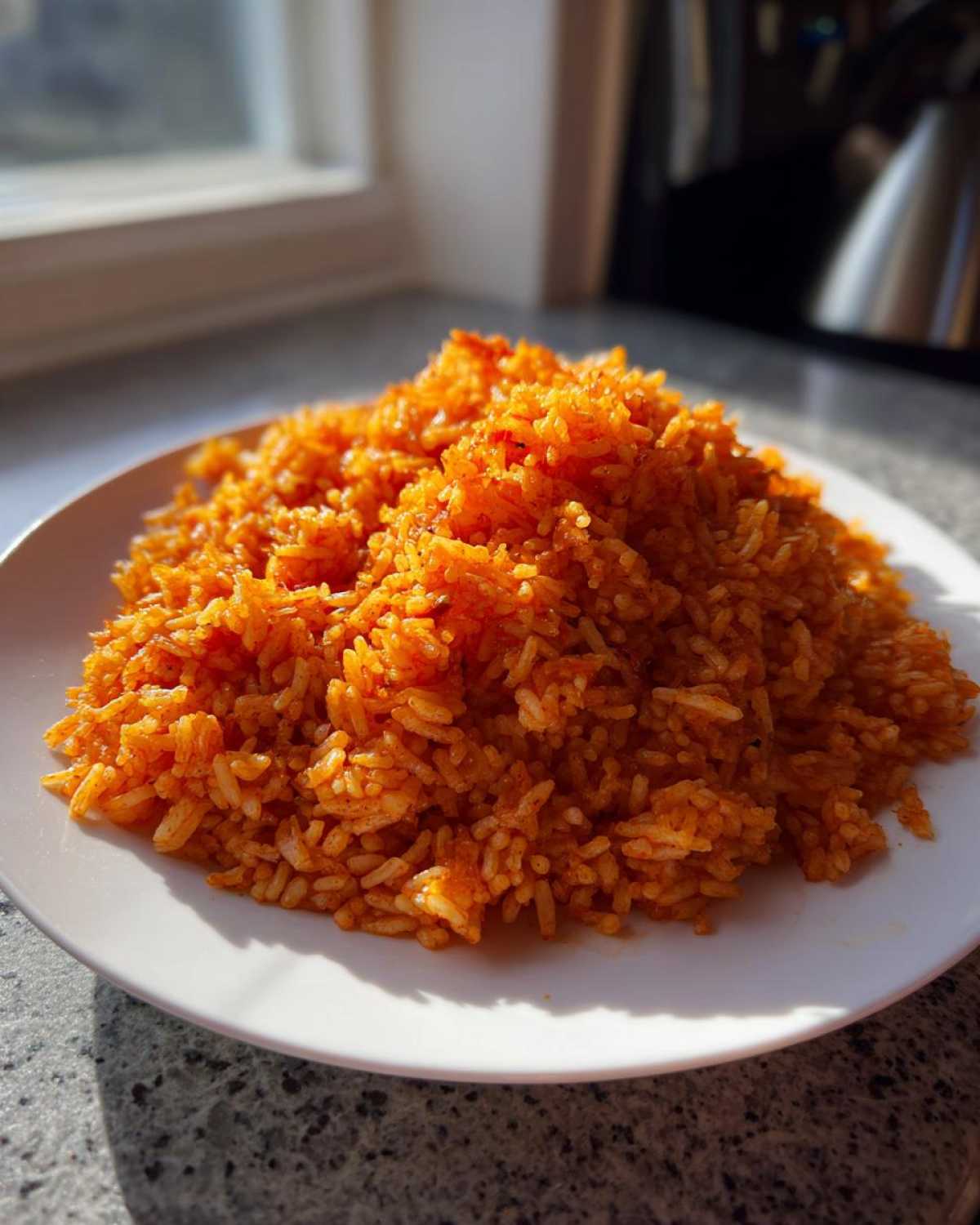
Expert Tips for Next-Level Nigerian Jollof Rice
Okay, you’ve got the base, you’ve followed the steaming method—that’s awesome! But this is where we take our jollof rice from just ‘good’ to ‘the best I’ve ever had.’ A few little tricks I picked up over the years really elevate this dish. Remember what I said about not stirring the rice while it’s steaming? That’s tip number one for getting fluffy grains instead of a sticky mess. When you follow this recipe for jollof rice, you’re embracing the process!
Also, if you cooked your chicken separately, please don’t throw away that drippings! Using that flavorful broth instead of plain water for your stock adds unbelievable depth. It’s all about maximizing flavor in West African Cuisine, and every little bit of flavor matters.
Troubleshooting Common Jollof Rice Mistakes
We all have those days where things don’t go exactly to plan, even with the best recipes. The most dreaded mistake, hands down, is mushy rice, and that almost always happens because we stirred or added too much stock. If you peeked early and it looks soupy, just keep the heat on low, but keep that foil tucked tightly under the lid. Give it another 10 minutes before checking again.
Now, what if you followed the instructions, but when you open the pot, the top layer is perfect, but the bottom is practically glue? First, don’t panic! That little bit of intense heat is what we *want* for the smoky flavor, remember? Just gently use a large fork to fluff the softer rice on top down into the bottom layer. If the rice is completely scorched and bitter on the bottom, just use the top four-fifths of the pot, and apologize to your pot!
And if you find yourself with rice that’s cooked but still feels stubbornly hard in the center? Add just a tiny splash—maybe two tablespoons—of hot water or stock around the edges of the pot, place the foil and lid back on, and steam for five more minutes. It’s amazing how a little bit of steam can finish the cooking process without soaking the whole batch.
For more kitchen wisdom on one-pot meals—because who doesn’t love fewer dishes?—you should poke around my cheesy sausage skillet; it’s comfort food central!
Serving Suggestions for Your Smoky Jollof Rice
So, you’ve nailed the smoky flavor and your jollof rice is steaming perfectly—that’s fantastic! Now, what are we going to eat with this masterpiece? Jollof is the ultimate party centerpiece, so you need sides that can stand up to its bold flavor. You can’t have a proper Nigerian spread without some crispy sweetness, in my opinion!
The most iconic pairing, without a doubt, is fried plantain, or ‘dodo.’ That sweet, slightly caramelized plantain provides the perfect counterbalance to the savory, spicy notes in the rice. If you are making meat, grilled chicken or perfectly fried beef pieces are classic partners. If you made your chicken separately, you should absolutely be using those savory juices as the stock base for an even richer jollof rice!
If you want an absolutely killer fried chicken side to go alongside, I highly recommend checking out my recipe for crispy buttermilk fried chicken. That crunch next to the fluffy rice? *Chef’s kiss*!
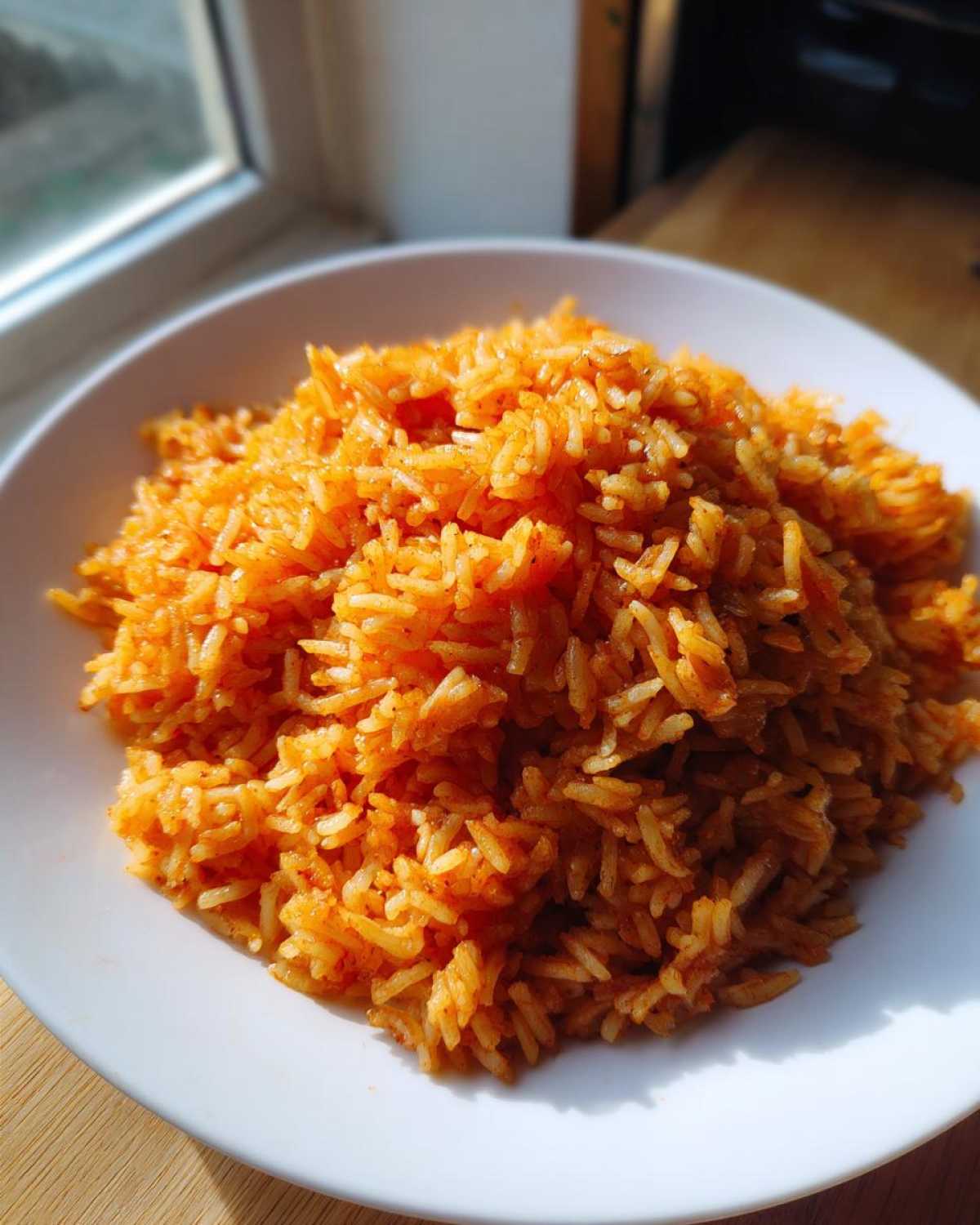
Storage and Reheating Instructions for Leftover Jollof Rice
The best thing about a big pot of jollof rice? The leftovers! Honestly, I think it tastes even better the next day once the flavors have really seeped into every grain. But you have to store it right, or you end up with a solid brick of rice when you go to reheat it in the morning, and nobody wants that!
The first rule for storage is airtight containers. Don’t just cover the pot loosely; you need to seal it up well. You can safely keep that leftover jollof rice in the fridge for about three to four days. Any longer, and you risk losing that amazing texture we all worked so hard to achieve.
When it comes to reheating, I’ve found two methods work beautifully, depending on how much you’re warming up. If you’re just reheating a small, single serving, the microwave is pretty quick. Just sprinkle a teaspoon or two of water over the portion before covering it with a damp paper towel. That moisture is what prevents it from drying out under the microwave’s heat.
But if you’re reheating a large quantity, I strongly, strongly suggest using a saucepan or even steaming it gently back in the original pot. Heat it over low heat, stirring very gently just to break it up, adding just a tiny splash of water or stock if it seems too dry. The goal is to reintroduce moisture slowly so you don’t shock the rice grains. This keeps the integrity of our beautiful, fluffy jollof rice intact so it tastes almost freshly made. Never, ever blast it on high heat—that just makes it tough!
Frequently Asked Questions About Making Jollof Rice
I know when you hit that stove, questions pop up! Cooking any classic dish, especially legendary ones like this, brings out all sorts of worries. Is my pepper mix right? Am I using the right rice? Don’t stress! I’ve gathered the most common things people ask when trying to achieve the champion status in jollof rice. If you are digging into other great rice recipes, the same principles of texture often apply!
Can I make Ghanaian Jollof Rice instead of Nigerian Jollof Rice?
Oh, the big debate! Yes, absolutely, you can pivot, but know that the main difference comes down to approach. Nigerian Jollof, like the recipe we just made, favors parboiled rice and relies heavily on that deep, smoky flavor from the bottom of the pot. While we use a similar pepper base, Ghanaian recipes often use slightly different rice—sometimes Jasmine or Basmati—and a preparation in the Ghanaian style might involve frying the base slightly differently. If you experiment with Ghanaian Recipes, just remember the rice texture will change!
What is the best way to get a deep red color in my Jollof Rice?
Color is everything in this dish; we want that vibrant sunset shade! The secret isn’t dumping in extra tomato paste—that just makes it taste sour! The absolute best way to get that deep red color is to fry the tomato paste hard in the oil for those two full minutes until it turns brick red and begins to stick to the bottom of the pot. Seriously, push that paste! Also, make sure your fresh red peppers are high quality and really ripe. That combination gives you the intensity you need for amazing jollof rice.
Can this Jollof Rice recipe be made vegetarian or vegan?
Yes indeed! This dish is incredibly flexible, which is why it’s a staple in so many African Rice Recipes globally. To make this Nigerian jollof rice completely vegetarian or vegan, it’s super simple: ditch the chicken pieces and use high-quality vegetable stock instead of chicken stock. You also need to swap out the bouillon cube for a vegetable stock cube or an equivalent seasoning like smoked paprika or even a little Marmite for that deep umami note. So easy!
Nutritional Snapshot of This Flavorful Rice Dinner
Now, I know we cook from the heart when we make jollof rice, but sometimes it’s nice to see what’s actually in that beautiful pot of goodness! I’ve put together the estimated breakdown for a standard serving size based on all the ingredients we used in this recipe. Remember, these numbers are just a guide because the exact amount of oil you use, or the size of your chicken pieces, will change things up a little bit. But this gives you a great ballpark figure for your weekly tracking!
We rely on beans, peppers, and rice for the most part, so it’s a pretty balanced one-pot meal, especially if you’re serving it with lean sides. For those of you looking for great ways to incorporate this amazing side dish into a lighter schedule, you might also enjoy looking at my quick ideas for a flavorful rice dinner.
Here is the breakdown for approximately one cup of cooked Nigerian Jollof Rice, using the chicken pieces as calculated into the overall recipe usage:
- Serving Size: 1 cup cooked
- Calories: 450
- Fat: 15g
- Saturated Fat: 3g
- Trans Fat: 0g
- Cholesterol: 45mg
- Sodium: 550mg (Watch this based on your stock/bouillon!)
- Carbohydrates: 65g
- Fiber: 4g
- Sugar: 8g
- Protein: 18g
As you can see, it packs a punch of energy from the carbohydrates, which is perfect for keeping you going during those long parties! If you’re trying to watch your sodium, that’s the easiest place to adjust—use low-sodium stock and skip the added salt until you taste it at the very end, since those bouillon cubes pack a salty wallop!
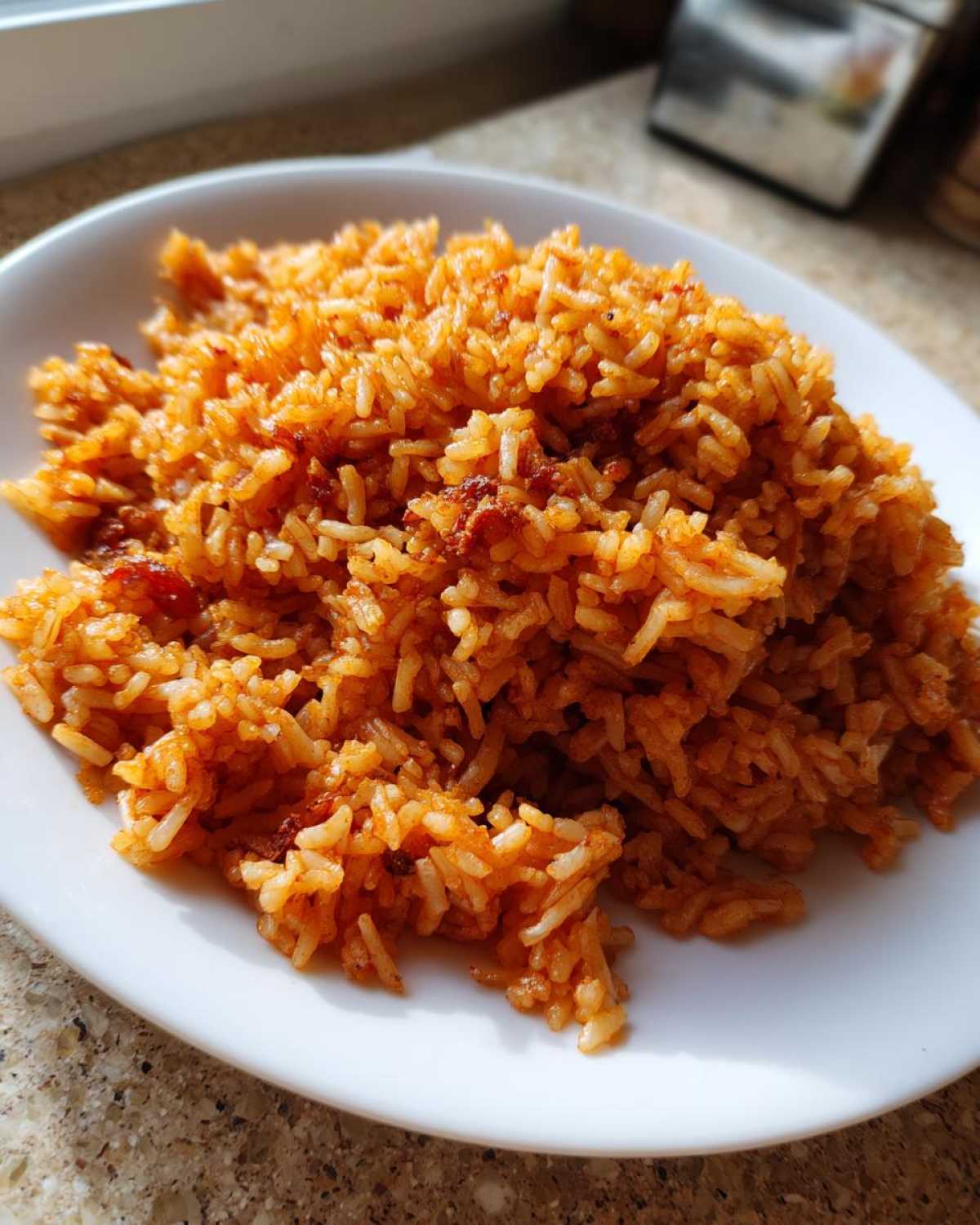
Share Your Best Jollof Rice Experience
Wow, we made it through the whole process! I’m so excited for you to try this jollof rice because I genuinely believe this technique for building the base and controlling the steam is foolproof. Now that you’ve conquered the smoky flavor and achieved that perfectly fluffy texture, I really want to hear about it!
Did you manage to keep your hands off the pot while it was steaming? Was the smoky bottom layer everything you dreamed of? Please, please, please leave a comment down below and tell me how the family reacted! Hearing about your success makes all the testing and tweaking worth it.
If you took a picture of your gorgeous, richly colored spread—maybe next to some fried plantains—I would absolutely love to see it! Tag me on social media or just use the rating system right here on the page. Clicking that five-star rating tells me you think this is the best jollof rice recipe out there, and that means the world to me. Happy cooking, my friend!
Print
Authentic Smoky Nigerian Jollof Rice
- Total Time: 75 min
- Yield: 6 servings
- Diet: Vegetarian
Description
A beginner-friendly recipe for classic Nigerian Jollof Rice, featuring a rich, smoky tomato and pepper base.
Ingredients
- 3 cups parboiled long-grain rice
- 1.5 lbs chicken pieces (or preferred protein)
- 4 large ripe tomatoes
- 2 red bell peppers (tatashe)
- 1 scotch bonnet pepper (adjust to heat preference)
- 1 large onion, divided
- 1/2 cup vegetable oil
- 4 cups chicken stock (or water)
- 2 tablespoons tomato paste
- 1 teaspoon dried thyme
- 1 teaspoon curry powder
- 2 bay leaves
- 1 teaspoon salt, or to taste
- 1/2 teaspoon ground black pepper
- 1 bouillon cube (Maggi or Knorr)
Instructions
- Prepare the pepper base: Roughly chop the tomatoes, bell peppers, scotch bonnet, and half of the onion. Blend until smooth.
- Sauté aromatics: Heat the vegetable oil in a large, heavy-bottomed pot over medium heat. Dice the remaining half onion and sauté until softened, about 3 minutes.
- Cook the stew base: Add the tomato paste to the pot and fry for 2 minutes, stirring constantly until it darkens slightly. Pour in the blended pepper mixture. Add thyme, curry powder, bay leaves, salt, pepper, and the bouillon cube.
- Simmer the base: Bring the stew to a boil, then reduce heat to medium-low. Let it simmer uncovered for 15-20 minutes, stirring occasionally, until the mixture thickens and the oil begins to float on top. This concentrates the flavor.
- Parboil the rice: While the stew simmers, wash the rice thoroughly with cold water until the water runs clear. Drain well.
- Combine: Add the washed rice to the stew base. Stir well to coat every grain with the tomato mixture. Add the chicken stock. The liquid should just cover the rice; add more stock or water if necessary.
- Steam the rice: Bring the mixture to a boil, then immediately reduce the heat to the lowest setting. Cover the pot tightly with aluminum foil before placing the lid on top. This traps the steam needed to cook the rice.
- Cook: Allow the rice to steam undisturbed for 25-35 minutes. Do not stir during this time.
- Achieve smokiness (optional): After 25 minutes, check the rice. If it is almost done but still slightly hard, increase the heat slightly for 2-3 minutes to allow the bottom layer to slightly scorch (this creates the smoky flavor). Immediately turn off the heat.
- Rest and serve: Let the pot sit, covered, for another 10 minutes off the heat. Fluff the rice gently with a fork before serving with your choice of side dishes.
Notes
- For the best smoky flavor, use a heavy-bottomed pot and allow the bottom layer to slightly burn before turning off the heat.
- Do not stir the rice while it is steaming, as this releases starch and makes the rice mushy.
- If you are cooking chicken separately, use the resulting broth as your stock for richer flavor.
- Prep Time: 20 min
- Cook Time: 55 min
- Category: Main Course
- Method: Stovetop Cooking
- Cuisine: Nigerian
Nutrition
- Serving Size: 1 cup cooked
- Calories: 450
- Sugar: 8
- Sodium: 550
- Fat: 15
- Saturated Fat: 3
- Unsaturated Fat: 12
- Trans Fat: 0
- Carbohydrates: 65
- Fiber: 4
- Protein: 18
- Cholesterol: 45