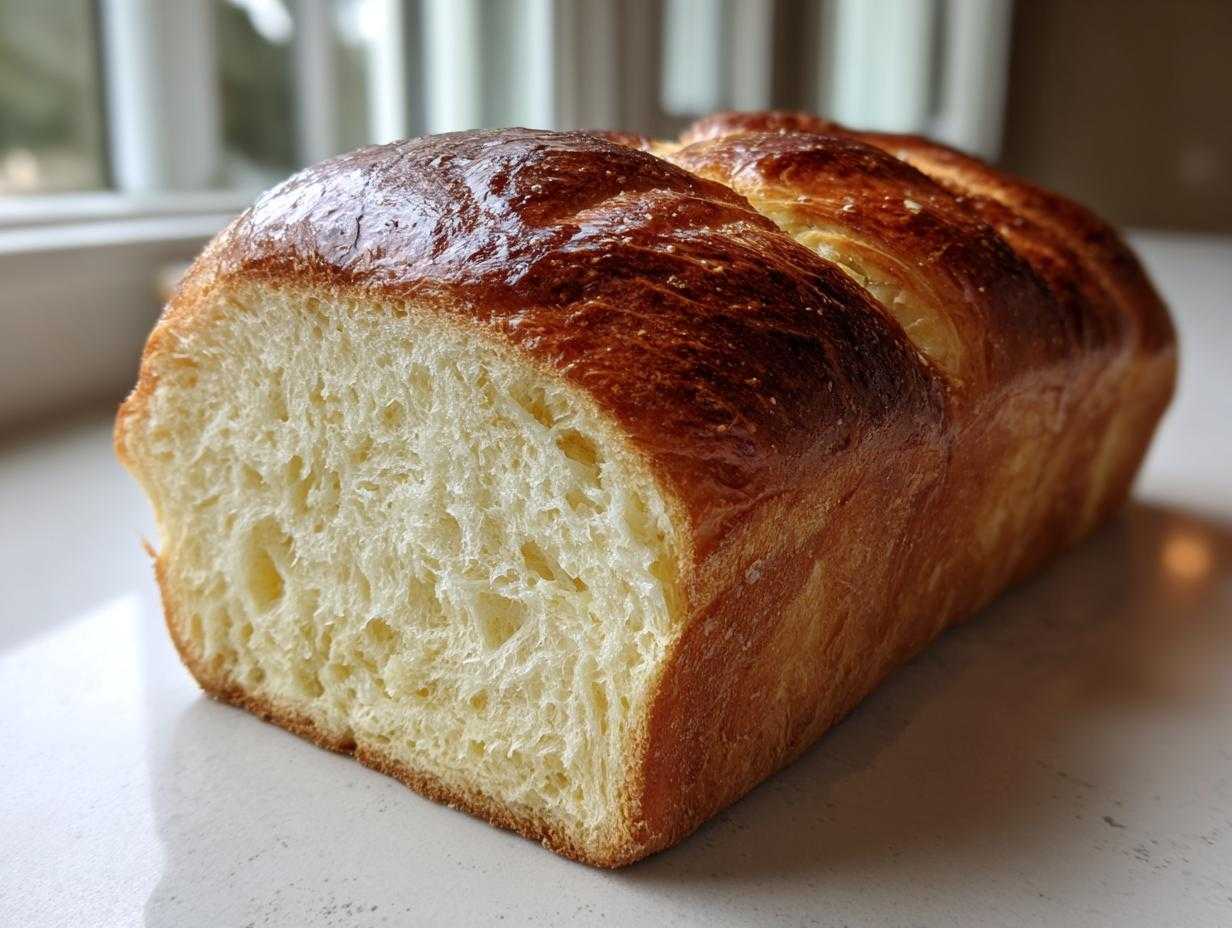
I am telling you right now, you are one simple step away from finally baking the absolute softest, fluffiest, milkiest bread you’ve ever tasted. Forget those dense, sad loaves you’ve been dealing with! This recipe for milk bread uses the secret weapon—the Tangzhong method—that bakeries guard so closely. My first perfect loaf had me so excited I immediately cut a slice just because it smelled buttery and sweet. Trust me, once you see how that tender crumb pulls apart, you’ll understand the magic of making bakery-quality Asian bread recipes right in your own kitchen. It’s truly joyous!
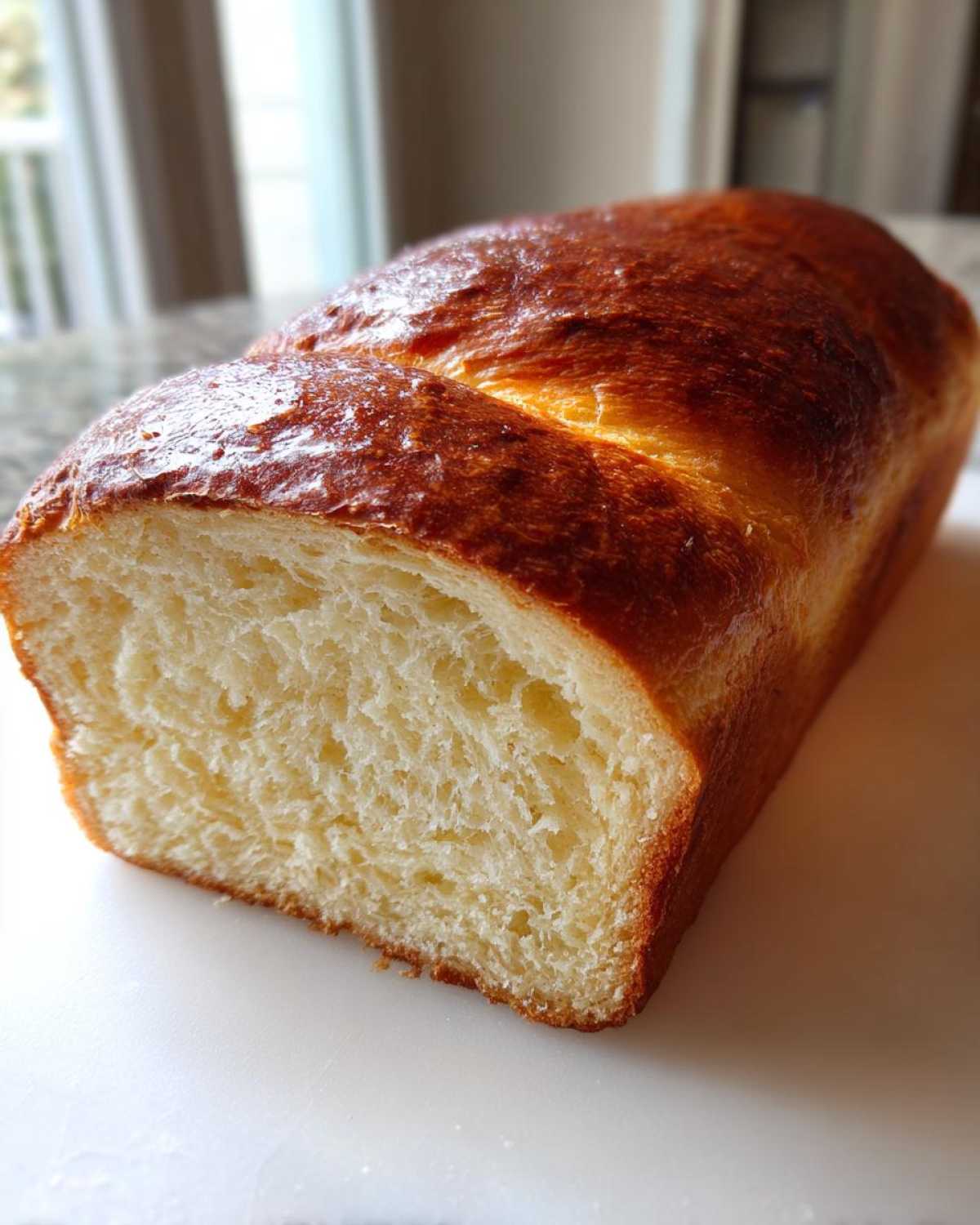
Why This Tangzhong Milk Bread Recipe is the Softest Homemade Bread
The reason this particular loaf tastes like it came straight from a high-end Asian bakery is all down to one thing: the Tangzhong. Honestly, I thought it sounded fussy at first, like something only professional bakers bothered with. But once I saw the proof in the pudding—or in this case, the incredibly soft bread—I was hooked!
This method ensures that no matter how long this milk bread sits on the counter, it stays wonderfully soft. It’s foolproof for creating that light, ethereal texture we all want when we think of homemade bread.
- It dramatically increases moisture retention, meaning your bread literally stays fresher for days.
- It creates an almost spongy quality, perfect for soaking up jam or butter.
- The final crumb structure is unbelievably fine and delicate.
You can see great texture in other recipes too, like this amazing soft and fluffy French bread, but the Tangzhong gives milk bread its unique character.
Mastering the Water Roux Technique for Fluffy Bread Recipe
So, what is this magic water roux technique? Simply put, we’re taking a tiny bit of your flour and cooking it with your milk until it turns into a thick, pudding-like paste—that’s the Tangzhong! When you add this cooked paste back into the main dough, it’s already hydrated. This means the starch has gelatinized, allowing the dough to hold onto moisture like a sponge during the entire baking process. It’s the secret to getting that signature pillowy soft bread everyone raves about.
Essential Ingredients for Authentic Milk Bread
To get that incredible texture in our milk bread, we can’t mess around with the ingredients. Using the right flour is a non-negotiable step for me. We really need bread flour; it has higher protein, which develops the necessary gluten structure to support all that softness and handle the enriched dough. Remember, this isn’t just any white bread; it’s dairy-rich and needs that strength!
Here is exactly what you’ll need for this buttery loaf. I always pull these out about an hour before I start to let the egg and milk come up to room temperature. That little bit of patience really wakes up the yeast!
- 1/2 cup whole milk (don’t skimp on the fat here!)
- 2 tablespoons unsalted butter, cut into cubes
- 2 1/2 cups bread flour, measured correctly
- 2 tablespoons granulated sugar
- 1 teaspoon salt
- 1 packet (2 1/4 teaspoons) active dry yeast
- 1 large egg, plus 1 large egg yolk (yolk equals richness, trust me!)
If you’re looking for inspiration for using up leftovers, you can compare this richness to the great flavors in this Italian herb and cheese bread, but remember, milk bread is all about that tender, slightly sweet crumb.
Ingredient Substitutions and Notes
While I strongly advise sticking to the list above for the first time, I know life happens. If you absolutely must substitute the bread flour, use all-purpose, but you might need to knead for an extra few minutes. Whole milk is key because the fat content keeps the crumb tender, so please don’t swap it for skim if you can avoid it.
A huge tip for the yeast: make sure your water for blooming is between 105°F and 115°F. Too hot and you kill the little guys; too cold and they take forever! Room temperature ingredients help everything mix smoothly right from the start.
Step-by-Step Hokkaido Milk Bread Tutorial
Alright, this is where the fun really begins! This step-by-step breakdown for our milk bread is how we ensure that dreamy, cloud-like texture we are aiming for. Don’t let the Tangzhong step intimidate you; it’s quick, and once you see the magic happen, you’ll be making it for every loaf! If you love soft dough, you should totally check out my recipe for guaranteed soft cinnamon rolls—it uses a similar principle!
Preparing the Tangzhong (Water Roux)
You have to cook this little starter first. Pop the milk and butter into your smallest saucepan over medium-low heat until that butter melts away. Then, whisk in just 1/4 cup of your flour right away. Keep stirring constantly—I mean constantly, don’t walk away! You’re looking for it to go from liquid to a thick, shiny paste, almost like cooking instant pudding. This takes about two minutes after it starts bubbling. Once it’s thick, pull it off the heat and let it cool down before we use it. If it’s too hot, it’ll kill our yeast!
Mixing and Kneading the Rich Milk Bread Dough
Now we bring everything together! Once the tangzhong is somewhat cool—just warm to the touch is fine—add it along with your bloomed yeast mixture, the whole egg, and the egg yolk into the dry ingredients. Mix it until it looks like a shaggy mess. Don’t worry, this is normal! Now, turn it out onto your counter and get ready to work. You need to knead this rich milk bread dough for a solid 8 to 10 minutes. I can tell it’s ready when I press my thumb into it, and the dough springs back slowly but surely. That’s elasticity!
First Rise and Shaping for the Pillowy Soft Bread
Once you have that smooth, elastic dough, tuck it into a lightly oiled bowl, cover it, and let it rest in a warm spot for about an hour and a half until it doubles—that’s the first proof. When it’s ready, punch it down gently. Try not to deflate all that hard work! Divide the dough into three equal pieces. Roll each piece into a smooth log, almost like making plump little cigars. Then, you arrange them side-by-side in your greased loaf pan. Cover it again and let it rest for another hour. This second rise is what gives you that incredible final rise and that amazing pillowy soft bread finish!
Baking Your Fluffy Bread Recipe Perfectly
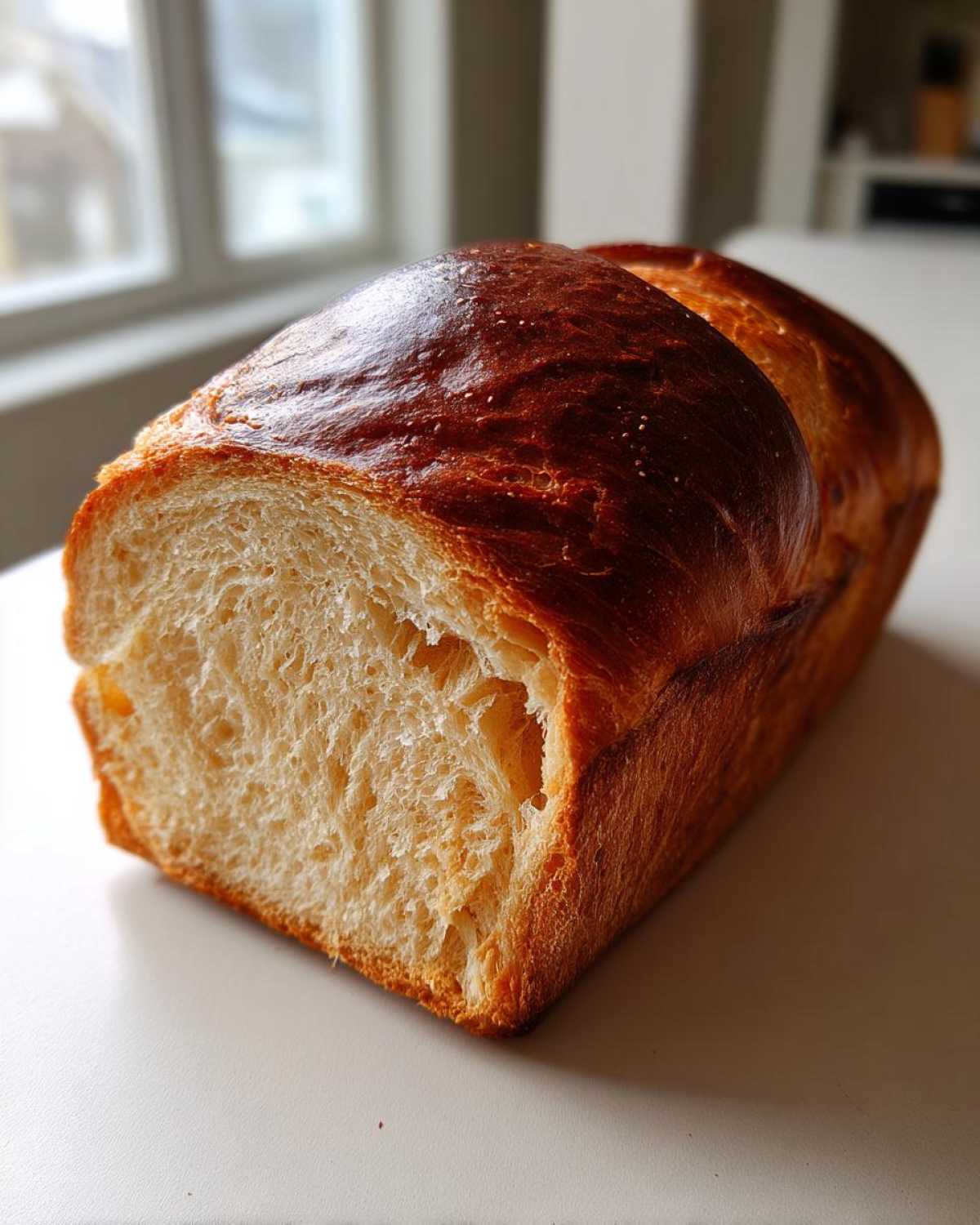
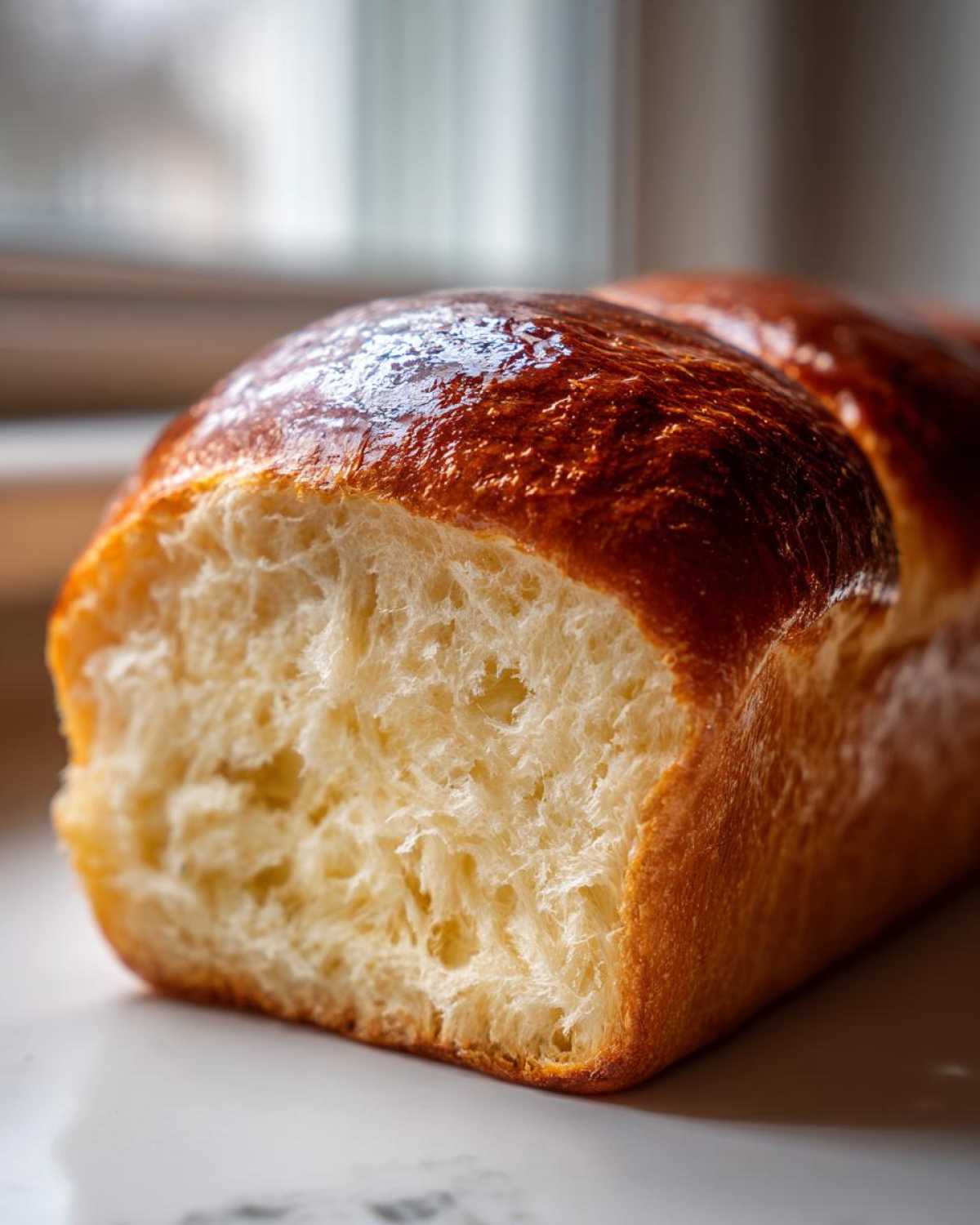
The final proofing time is maybe the trickiest part. You want your loaf to puff up nicely in the pan during that second rise—about 45 minutes to an hour usually does it. You’re looking for it to almost touch the top of the pan before it goes in. Before you stick it in the oven, if you want that beautiful, shiny, deep golden crust, grab a little bowl and whisk one egg with a teaspoon of water. This is your egg wash! Brush it gently over the top of the dough. This treatment gives your finished milk bread that amazing bakery look. You can find gorgeous crust ideas on buttery dinner rolls too!
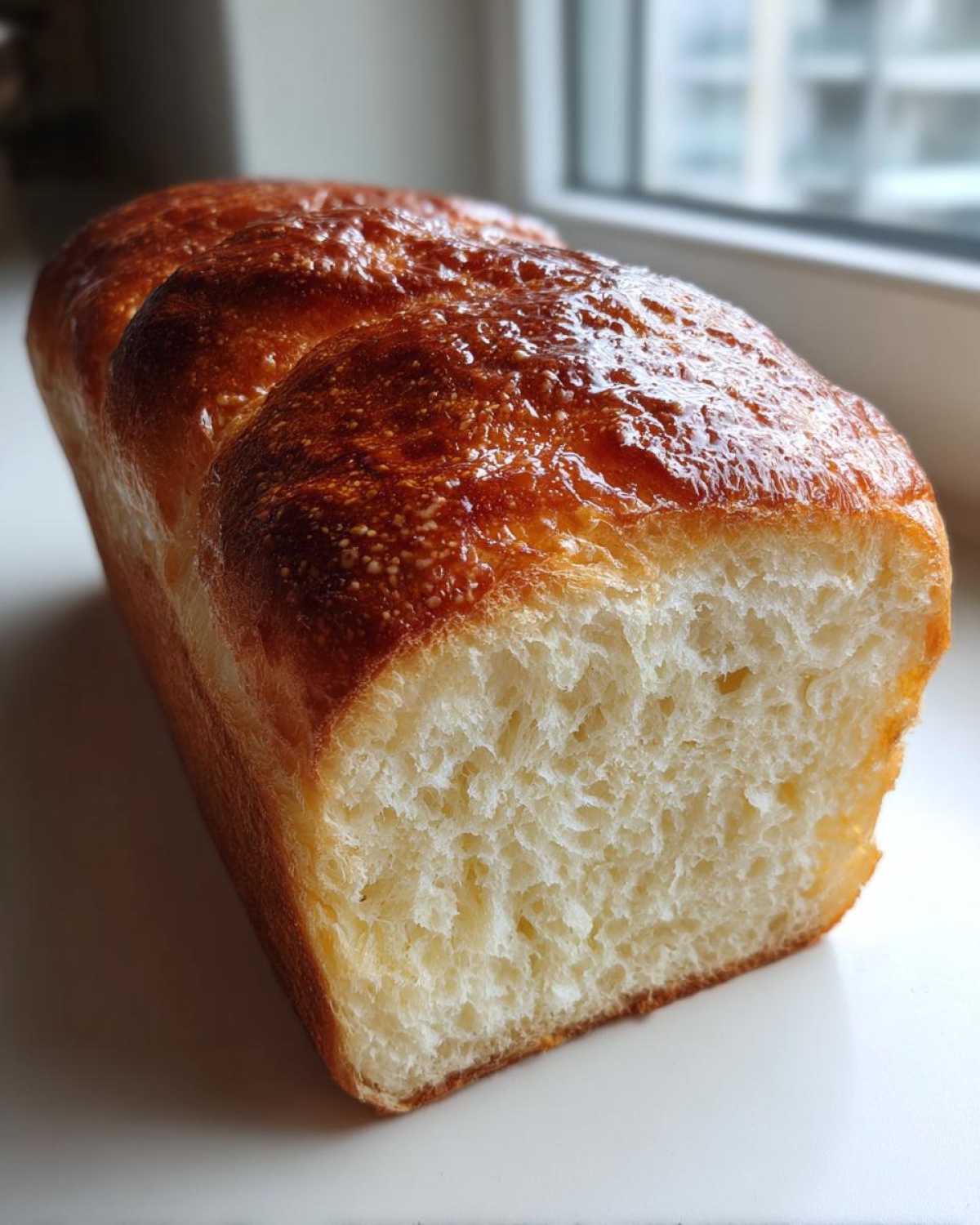
Preheat your oven to 350°F (175°C). Bake for about 30 to 35 minutes. How do I know it’s done, beyond looking golden? Stick an instant-read thermometer right in the center of the loaf—you are aiming for 200°F (93°C). Pull it out right away and get it out of the pan immediately so the bottom doesn’t get soggy from the steam. Patience is hard here, but let it cool completely on a wire rack before slicing!
Serving Suggestions for This Buttery Bread Recipe
Now that you have this gorgeous, soft loaf of buttery bread recipe goodness cooling on the rack, what do you do? The best part about this milk bread is its versatility! You can slice it thick for the most amazing toast you’ve ever had—it toasts beautifully without drying out. It makes the world’s fluffiest sandwiches, by the way; nothing leaks through this sturdy yet tender crumb!
If you didn’t make rolls instead, these slices are also fantastic served warm next to a hearty soup. If you are looking for other amazing baked goods, you’ll love the recipes for soft chocolate chip cookies or even the topping on this easy berry cobbler. But honestly, just slathering this bread with salted butter while it’s still slightly warm is my favorite way to enjoy it!
Storage and Freezing Instructions for Milk Bread
Once your milk bread has completely cooled—and resist cutting into it too soon, I know it’s hard!—you need to store it right away to maintain that tender crumb. Don’t put it in the fridge! Cold temperatures actually make bread stale faster, which is the opposite of what we want for this soft loaf.
Your best bet for short-term storage is wrapping the entire cooled loaf tightly, first in plastic wrap to lock in that moisture from the Tangzhong, and then foil or put it into an airtight bread bag. It should stay perfect at room temperature for three to four days.
If you know you won’t finish it within four days, you absolutely must freeze it. Slice the loaf first before freezing; this way, you can pull out just what you need later. Wrap the slices up tightly, just like the whole loaf, and they’ll stay beautifully soft for months!
Troubleshooting Common Milk Bread Issues
Even with the best instructions, sometimes baking throws you a curveball! If your milk bread didn’t turn out quite as pillowy as you hoped, nine times out of ten, it’s related to either the Tangzhong or the rising process. Did you end up with a dense loaf? My guess is your yeast mixture wasn’t foamy enough, meaning those tiny bubbles didn’t have enough power to lift that rich dough!
If your loaf collapsed after coming out of the oven, you probably pulled it out too soon! It needs to hit that 200°F temperature mark internally, or the structure just isn’t set. Always trust your thermometer over just eyeballing it. A little patience during the rise and the bake time is the final secret weapon for perfect rolls or loaves!
Frequently Asked Questions About Asian Bread Recipes
I get so many great questions about making this loaf, especially since it’s such a different process than standard sandwich bread. People are always asking about the terms, so let’s clear up a few things about these fantastic Asian bread recipes!
Is everyone calling this the same thing? Well, yes and no. Japanese milk bread is essentially Shokupan—that’s what they call this sandwich loaf in Japan. If you search for Hokkaido milk bread, you are looking for the same incredibly rich, soft style. It’s all that pillowy dough goodness!
Can I use instant yeast instead? You totally can, but you need to adjust how you incorporate it. If you use instant yeast, you can skip the step of dissolving it in warm water. For richer flavor pairings, sometimes I think about how this dough would work with something like a sour cream coffee cake, but then I stick to the milk bread recipe!
But the biggest question is always about the Tangzhong versus Yudane. They both achieve the same goal—the gelatinizing of starch—but Tangzhong uses milk or water, while Yudane (the Japanese term) uses hot water poured over the flour. For this specific ultra-rich milk bread, I stick to the Tangzhong, as using milk in the roux feels like it adds just a touch more tenderness.
Can I make this a Sweet Milk Bread variation?
Yes, this sweet milk bread base is wonderful for turning into something decadent! If you want it sweeter, try adding two whole tablespoons of honey along with the sugar, or just bake it as is and top it with a simple sweet glaze when it cools. A vanilla or light lemon drizzle over the top makes it a real treat!
Nutritional Estimates for This Recipe
Now, I have to be honest with you—since I’m using ingredients like fresh butter, whole milk, and a fair amount of sugar for that sweet flavor, this isn’t exactly a low-calorie food! But hey, every slice of this perfect milk bread is worth it. These numbers are just estimates, based on my ingredients and cutting the loaf into 12 servings, so take them lightly.
- Serving Size: 1 slice
- Calories: 180
- Fat: 4g
- Carbohydrates: 32g
- Protein: 5g
- Sugar: 3g
- Cholesterol: 40mg
Remember, this is based on my specific ingredient brands and amounts, so yours might vary slightly. Enjoy it responsibly, maybe save the second slice for true indulgence!
Print
Simple Milk Bread
- Total Time: 2 hr 40 min
- Yield: 1 loaf
- Diet: Vegetarian
Description
A recipe for soft, slightly sweet milk bread using a tangzhong method for a tender crumb.
Ingredients
- 1/2 cup whole milk
- 2 tablespoons unsalted butter
- 2 1/2 cups bread flour
- 2 tablespoons granulated sugar
- 1 teaspoon salt
- 1 packet (2 1/4 teaspoons) active dry yeast
- 1 large egg
- 1 large egg yolk
Instructions
- Make the tangzhong: Heat the milk and butter in a small saucepan over medium-low heat until the butter melts. Whisk in 1/4 cup of the flour until smooth. Cook, stirring constantly, until the mixture thickens to a paste, about 2 minutes. Remove from heat and let cool slightly.
- In a large bowl, whisk together the remaining flour, sugar, and salt.
- In a separate small bowl, dissolve the yeast in 2 tablespoons of warm water (105-115°F). Let stand until foamy, about 5 minutes.
- Add the yeast mixture, the cooled tangzhong, the whole egg, and the egg yolk to the dry ingredients. Mix until a shaggy dough forms.
- Turn the dough out onto a lightly floured surface and knead for 8 to 10 minutes until smooth and elastic.
- Place the dough in a lightly oiled bowl, turning to coat. Cover and let rise in a warm place until doubled in size, about 1 to 1.5 hours.
- Gently punch down the dough. Divide it into three equal pieces. Roll each piece into a log and place them side-by-side in a greased 9×5 inch loaf pan.
- Cover the pan and let the dough rise again until it has almost doubled, about 45 minutes to 1 hour.
- Preheat your oven to 350°F (175°C).
- Bake for 30 to 35 minutes, or until the top is golden brown and the internal temperature reaches 200°F (93°C).
- Remove the bread from the pan immediately and cool on a wire rack.
Notes
- For a richer color, brush the top of the dough with an egg wash (1 egg beaten with 1 teaspoon water) before baking.
- This bread freezes well once completely cooled; wrap tightly in plastic wrap and then foil.
- Prep Time: 30 min
- Cook Time: 35 min
- Category: Baking
- Method: Baking
- Cuisine: General
Nutrition
- Serving Size: 1 slice
- Calories: 180
- Sugar: 3
- Sodium: 200
- Fat: 4
- Saturated Fat: 2
- Unsaturated Fat: 2
- Trans Fat: 0
- Carbohydrates: 32
- Fiber: 1
- Protein: 5
- Cholesterol: 40