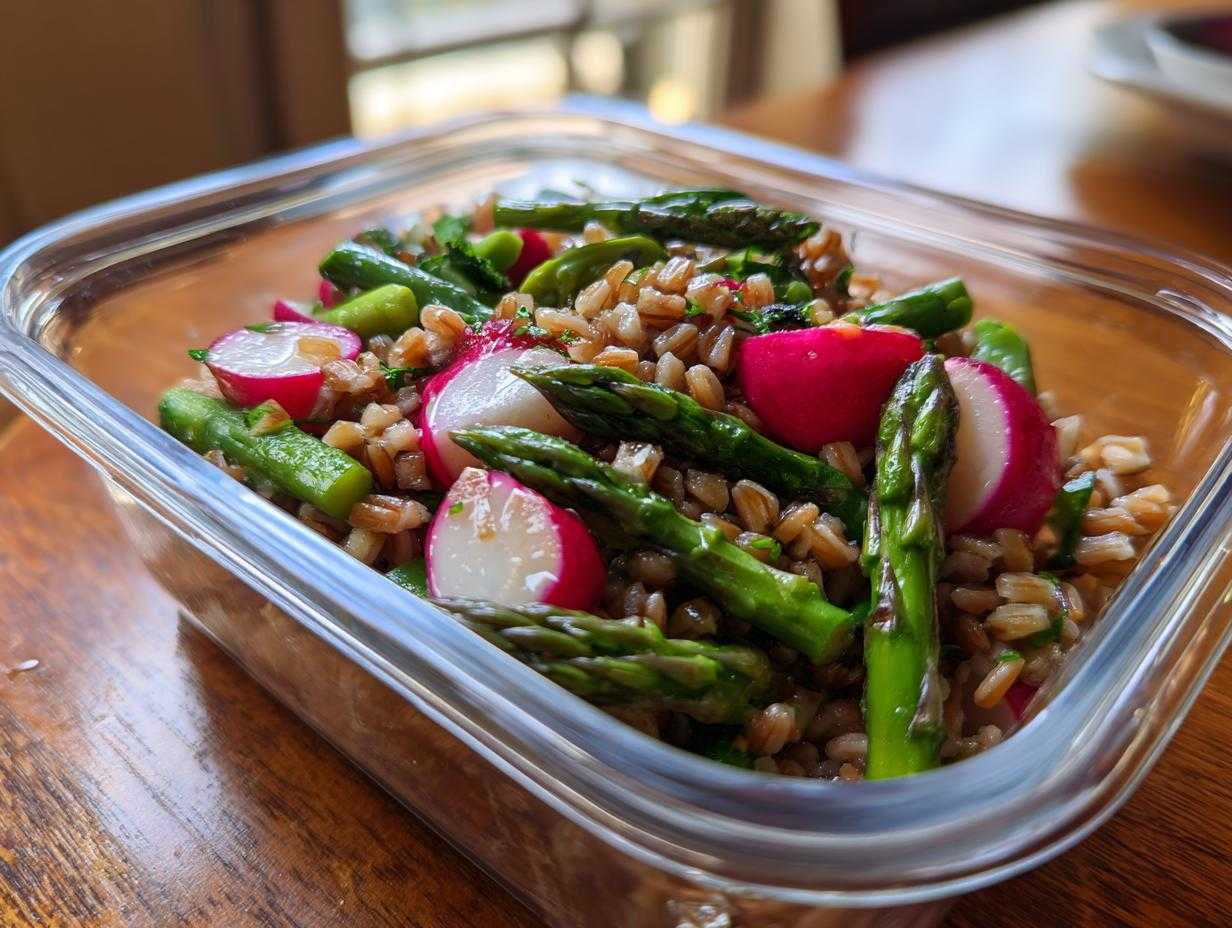
Oh my gosh, are you tired of opening your work lunch container only to find a sad, wilted puddle that used to be a beautiful salad? I swear, I used to waste so much money buying sad desk lunches because every beautiful, healthy spring salad I packed would turn into a soggy mess by noon. It drove me nuts! We want that vibrant green goodness of spring—asparagus, peas, fresh herbs—but we need it to survive the commute and stay delicious until lunchtime.
Well, ditch the sadness, friend! I finally cracked the code. This isn’t just another recipe; this is the blueprint for the ultimate Sustainable Lunch Box Spring Salad. We’re focusing on sturdy grains, smart storage, and maximizing those perfect spring ingredients while ditching the plastic waste. Trust me; once you master this make-ahead technique, your lunch game changes forever.
Why This Sustainable Lunch Box Spring Salad is Your New Go-To Meal Prep
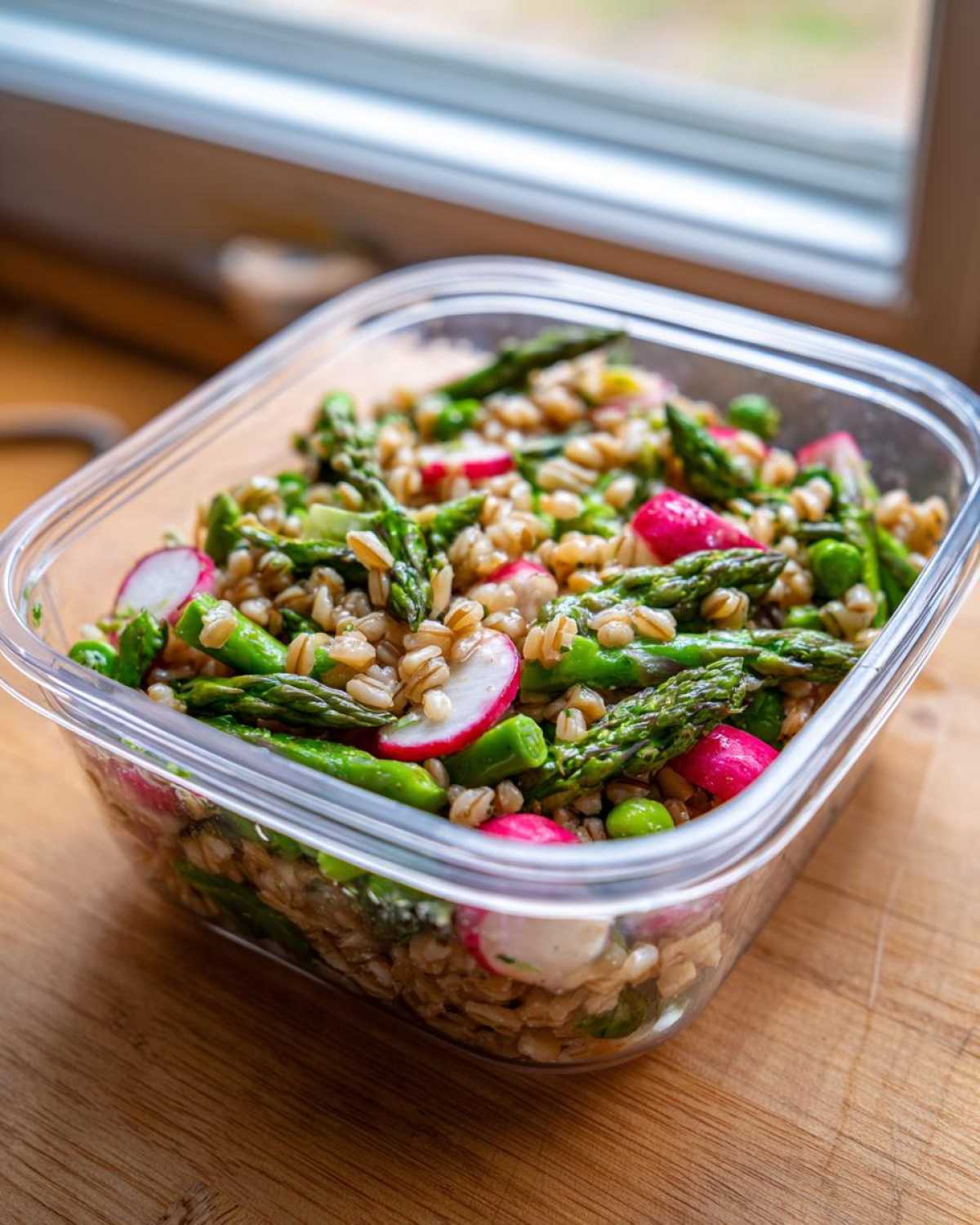
You need a lunch that works as hard as you do, right? This farro creation is fantastic because it’s designed to last. It’s one of my favorite Spring lunch recipes because it checks all the boxes: healthy, vibrant, and it tastes incredible on Day Three, which is huge for Sustainable meal prep success.
Perfectly Portable Work Lunches
The secret to defeating the dreaded sog factor is in the structure. Farro is so much heartier than lettuce, so it doesn’t break down. Plus, we are keeping the bright lemon dressing separate until you’re ready to eat. If you want even more ideas on packing salads in tricky containers, you should check out these mason jar layered salads hacks for inspiration. That separation keeps things crisp, making this the ultimate in Portable work lunches.
Embracing Spring Flavors and Sustainability
We’re celebrating everything that’s fresh right now—the bright green snap of peas and the subtle bite of radish. But what really sets this apart is the *how*. By committing to using your favorite reusable lunch containers and skipping flimsy plastic baggies, this meal naturally becomes one of the best Zero waste lunch ideas you can dream up. It’s delicious food that feels good to eat *and* good for the planet!
Gathering Ingredients for Your Sustainable Lunch Box Spring Salad
Okay, the prep work is where we really earn those fantastic, crunchy lunches later in the week. Don’t eyeball anything here! Because we’re building layers of flavor and texture, getting the measurements right in this Container friendly salad recipes base is key. I keep all my dry goods right next to my reusable containers so I never forget a thing. If you’re looking to expand your dressing game beyond this one, always check out my guide on the ultimate homemade salad dressing kit!
For the Spring Salad Base
This is the hearty anchor for your meal. Remember, we want sturdy guys here that hold up well to being prepped. If you can, grab all this goodness from your local farmer’s market!
- 1 cup dry farro (or quinoa if you’re out of farro today—no tears!)
- 2 cups water or vegetable broth (Broth is always better for flavor, trust me)
- 1 bunch asparagus, trimmed and chopped
- 1 cup fresh or, yes, even frozen peas (they blanch up beautifully)
- 1/2 cup thinly sliced radishes (The sharper the bite, the better!)
- 1/4 cup chopped fresh mint
- 1/4 cup chopped fresh parsley
- 1/4 cup toasted slivered almonds (These stay separate until lunchtime, remember!)
For the Bright Lemon Vinaigrette
This vinaigrette is punchy and sharp, which keeps the salad tasting fresh even on a hectic Wednesday. Using a small jar to mix it is *the* only way to go because it seals up tight for storage.
- 1/4 cup olive oil (Use the good stuff if you have it!)
- 3 tablespoons fresh lemon juice
- 1 teaspoon Dijon mustard
- 1/2 teaspoon salt
- 1/4 teaspoon black pepper
Step-by-Step Instructions for the Sustainable Lunch Box Spring Salad
Okay, let’s get this farro salad into our lunch containers! Since we are planning ahead and building a Sustainable Lunch Box Spring Salad, every step matters, especially when it comes to texture. We need everything to be perfectly cooked and cooled before assembly. I’ve simplified the washing and stacking so you can get this done fast. If you like super-bright, zesty salads, you might also want to check out the tips in my article on easy crunchy cabbage salad with zesty vinaigrette for future inspiration!
Cooking the Farro Base
This starts on the stove. Grab a saucepan, toss in your farro and your broth—don’t use water if you can help it, the broth adds so much depth here. Bring it to a rolling boil, then slap a lid on it, turn the heat way down low, and let it simmer nice and slow for about 25 to 30 minutes. You’re looking for tender, a little chewy, but definitely not mushy. Once it’s done, drain off any extra liquid immediately. You absolutely have to let this cool down a bit before moving on. Hot grain plus cold veggies? You get instantly unhappy salad!
Preparing the Spring Vegetables
This little trick is called blanching, and it makes your spring veggies look and taste like they were just plucked from the garden, even if you used frozen peas! Get a pot of water boiling hard. Toss in your chopped asparagus and let them hang out for exactly two minutes. Then, immediately plunge them into a bowl of ice water—seriously, make sure the ice bath is ready! After a minute in the cold, drop the peas in for just one more minute, then ice bath again. This shocks them and locks in that brilliant green color and satisfying crunch. Drain it all *super* well afterward, because excess water is the enemy of a sturdy lunch.
Assembling and Packing the Sustainable Lunch Box Spring Salad
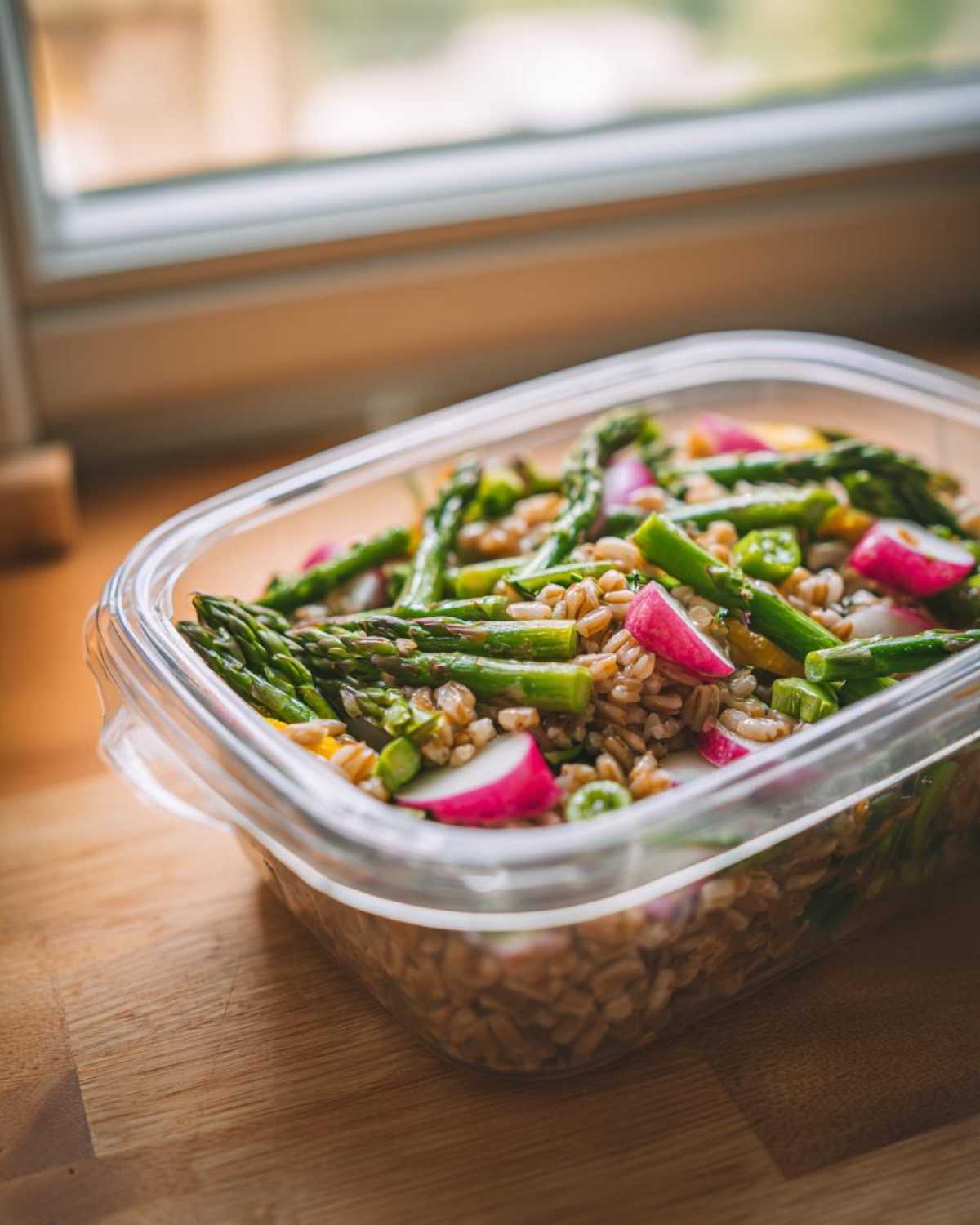
Now for the fun part! In your biggest mixing bowl, combine that slightly cooled farro, your perfectly blanched asparagus and peas, those thinly sliced radishes, and all those beautiful fresh herbs—mint and parsley, yum! Pour in about half of your bright lemon vinaigrette and toss everything gently. You want it coated, but not swimming! This is where we keep our focus on keeping this a great, long-lasting Sustainable Lunch Box Spring Salad. Taste it here, and add a little more dressing if you think it needs it, but don’t overdo it yet. Get this hearty base into your reusable container. And here’s the crucial tip for crunch: keep those toasted slivered almonds in a separate tiny container, or use a small compartment in your bento box. We don’t add those crunchy bits until right before we eat, promise?
Tips for Success Making a Great Sustainable Lunch Box Spring Salad
We’ve got the core recipe down, but making it truly great—meaning it tastes fresh four hours later—requires a couple of little tricks I’ve picked up over the years of packing lunches. It’s all about quality control and being smart with your container setup, which is exactly what makes this whole endeavor one of the best Healthy spring salads!
Achieving Optimal Texture and Freshness
The farro is the key player here. You want it cooked *al dente*—that means slightly firm to the bite. If you overcook it, it soaks up whatever little moisture is left overnight and turns into gummy paste. When you’re tasting it before you store it, make sure that grain still has some structure. Also, when you’re buying your radishes, give them a good squeeze! They need to be firm and heavy for their size. Soft radishes are the first thing to wilt and turn bitter, and nobody wants that in their mid-day meal.
And a quick flavor note: I always add way less dressing during the initial mix than I think I need. You can always add more when you eat it, but you can never take the moisture *out* once it’s in there. Keep it slightly underdressed at prep time!
Eco-Friendly Packing Hacks for Your Salad
This is where we lean into the ‘sustainable’ part of our Sustainable Lunch Box Spring Salad. Ditching the single-use plastic wrap is crucial for Low impact lunch ideas. I swear by my set of small, leak-proof silicone cups. They’re perfect for holding that extra lemon vinaigrette. You just tuck the little cup into a corner of your bento box, and bam—no dressing transfer onto your herbs or greens!
If you are using a larger, single-compartment reusable container, make sure you press a small square of parchment paper right on top of the dressed salad before you seal the lid. It acts like a tiny barrier! I learned that trick from making things like zesty Italian pasta salad that needed to travel well. It helps keep the very top layer dry and fresh!
Ingredient Notes and Seasonal Substitutions for Your Sustainable Lunch Box Spring Salad
Part of being sustainable in the kitchen means using what you have and not stressing if you can’t find one exact thing! If you’re shopping and asparagus is out of season, don’t panic. This framework—sturdy grain, crunchy fresh veggie, soft cooked veggie, fresh herbs—is what matters most for this Sustainable Lunch Box Spring Salad.
I always encourage people to check out what their local producers have when planning their Seasonal salad inspiration. If you’re looking for raw veggie prep ideas, I have some fun ribbon-style cutting tips in my raw carrot salad guide that might inspire you for slicing radishes differently (raw carrot salad asian ribbon recipe)!
Grain Swaps: Farro Alternatives
Farro is amazing because it has a great chew, but it definitely takes about 30 minutes to cook. If time is tight, I always lean on quinoa. It cooks faster, usually in about 15 minutes, and holds its shape really well in the fridge. Brown rice works too, but it tends to be a little chewier and drier when cold, so you might need an extra splash of dressing when you go to eat it. Barley is another great option if you have it on hand—it’s super hearty!
Vegetable Flexibility
If the peas in your freezer are looking sad, or you can’t find tender young carrots, remember that any firm spring vegetable works! Think about beautiful snap peas—you can blanch them the same way we did the asparagus. Thinly sliced, crisp chunks of fennel bulb are wonderful here if you like a little anise kick. The key for whatever you choose is to treat them right: blanching for anything green helps maintain that vibrant color we love to see in our Fresh vegetable salads.
Dressing Adjustments and Sourcing
We use fresh lemon because nothing beats that springtime brightness, but if you’ve got high-quality balsamic vinegar lying around, you can swap out half the lemon juice for it to get a richer flavor profile. For sustainable sourcing, focus on buying your herbs—the mint and parsley—from a grower you trust, or better yet, grow them yourself on a windowsill! They travel so much better than delicate lettuce greens and bring so much fresh flavor to your Green lunches for work.
Storage and Reheating Instructions for Make Ahead Spring Meals
Because this Sustainable Lunch Box Spring Salad is built on sturdy farro and blanched veggies, it’s honestly perfect for meal prepping. This is one of my favorite Make ahead spring meals because I can whip up a big batch on Sunday and have lunches sorted through Wednesday or Thursday without a second thought!
Now, since this is a cold grain salad, we aren’t worrying about reheating—just keeping it cold and crisp! The absolute golden rule, which I cannot stress enough, is keeping that lemon vinaigrette totally separate until you are physically sitting down to eat. If you put the dressing on everything right away, even sturdy farro starts to break down after 24 hours.
Store the main salad mixture in your airtight reusable container. I usually pop the little silicone cup of dressing right next to it, or keep it in a separate small jar if I’m using a single-compartment box. This salad holds up beautifully in the fridge for four days when stored this way. Don’t forget to toss in those toasted almonds *right* before you dig in if you want that amazing crunch!
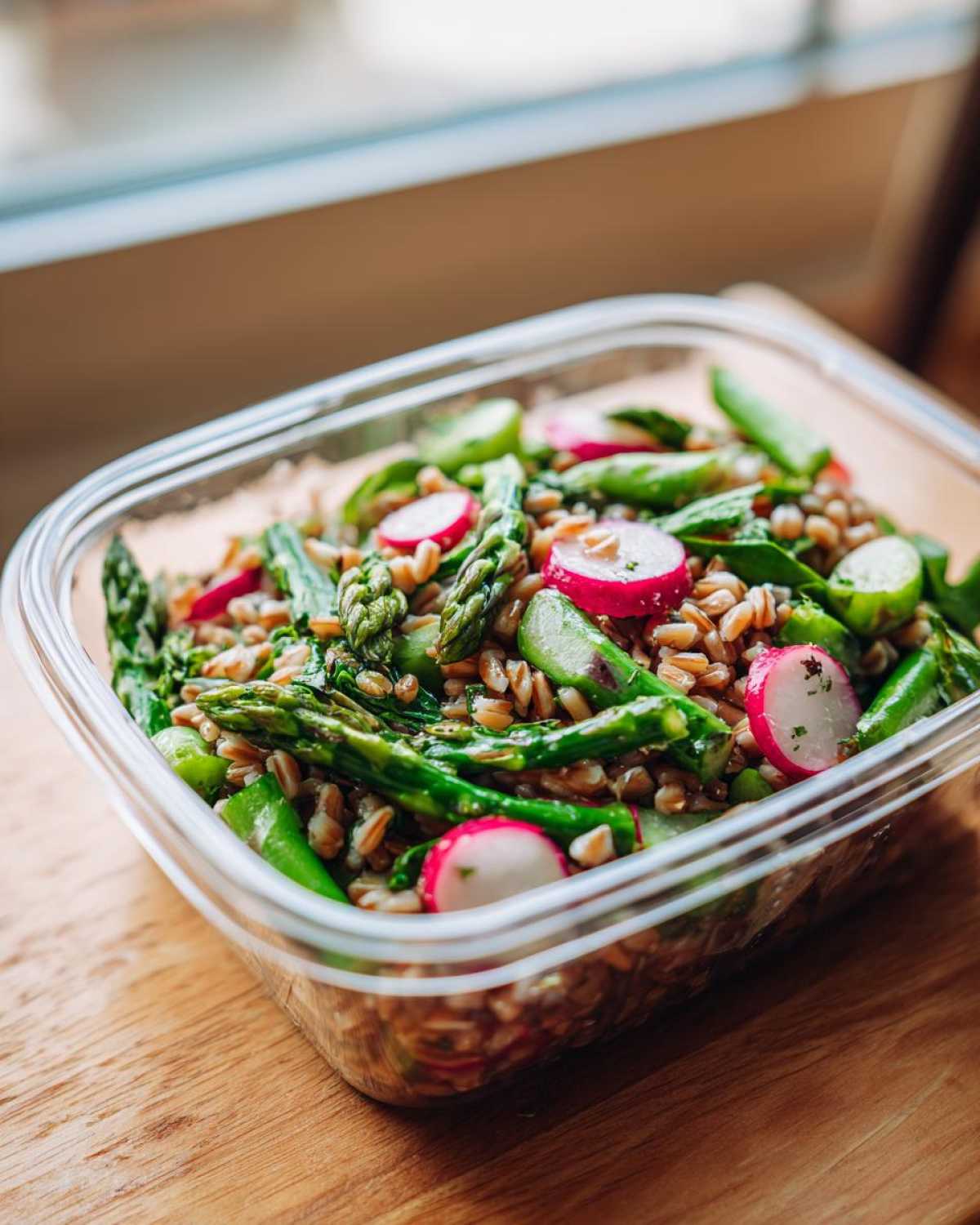
Speaking of making things ahead, if you’re ever looking for things that taste incredible straight from the fridge, check out my guide on chocolate overnight oats; those are another total lifesaver for busy mornings!
Variations: Customizing Your Healthy Spring Salads
You know me, I love following a recipe exactly the first time, but after that? It’s time to start tinkering! This farro base is so reliable that it handles modifications like a champ. We want to keep pulling in those amazing seasonal tastes, and adding a little something extra can turn this from a side dish into a total powerhouse meal for your workday. Think of these ideas as ways to keep your Sustainable Lunch Box Spring Salad exciting all season long!
If you’re looking for even more ways to keep your salad game interesting year-round, you have to look at my big list of 16 refreshing summer salads you need to try for later!
Boosting the Protein Power
While this base is already fantastic as a meatless meal, sometimes my mornings are just crazy, and I need something that will genuinely hold me over until dinner. The easiest way to make this an even more satisfying Vegetarian spring lunch is by adding beans or chickpeas! Rinse a full 15-ounce can of chickpeas really well, dry them off, and toss them right into the salad base along with the farro and veggies before you dress it.
They absorb a little of that lemon vinaigrette and blend right in—plus, they hold their texture even better than most cooked vegetables. If you’re not strictly vegetarian, diced grilled chicken or flaked salmon works like a charm in here too, but chickpeas keep it totally plant-based and simple for prep!
Swapping Herbs for Seasonal Flair
Mint and parsley are my standard mix because they are usually the first herbs popping up beautifully in my garden. But don’t be afraid to swap them out entirely based on what looks best at the market! Dill is amazing in this salad if you are serving it with salmon or if you enjoy that slightly sharper, almost pickle-y flavor.
If you have fresh tarragon, just a tiny bit goes a long way—it adds a sophisticated, slightly anise-like quality that pairs wonderfully with the earthiness of the farro. Just remember, dried herbs don’t pack the same punch as fresh, so stick to using the fresh stuff we toss in here for maximum brightness!
Introducing New Spring Vegetables
We used asparagus and peas, but spring gives us so many wonderful textures to play with. If you see beautiful, slender snap peas, chop them thinly on the bias and flash-blanch them for just 30 seconds—they stay super snappy! Another genius addition is fennel. If you haven’t cooked with fennel much, don’t shy away! Shave a small bulb paper-thin and toss it in raw with the radishes. It gives the whole salad a subtle, refreshing crunch that is just heavenly when paired with the lemon dressing.
Frequently Asked Questions About Making a Sustainable Lunch Box Spring Salad
I get asked about this salad all the time because, honestly, it’s such a lifesaver! People want to know if they can really trust it to hold up until lunchtime or if they can swap out ingredients. Since everyone is focused on making their routines more eco-friendly, I wanted to tackle the most common questions about making this a core part of your easy weeknight Bolognese sauce prep routine, even though this is cold!
Can I make this salad ahead of time for the whole week?
You absolutely can, and that’s the beauty of choosing such a sturdy base for your Sustainable Lunch Box Spring Salad! If you follow my advice about keeping the dressing completely separate, you can confidently prep this and store it in your fridge for about three to four days. The farro and blanched veggies stay perfectly textured. If you dress it all at once, I’d aim to eat it within 24 hours for the best results.
What is the best grain substitute if I don’t have farro?
Farro is my favorite because of that satisfying chewiness, but quinoa is an excellent second choice! It’s lighter and cooks up quickly, making it great for efficient Sustainable meal prep. Brown rice works, too, but be warned: it can become a little firmer once chilled. If you use brown rice, make sure you dress it *very* lightly before storing it, because it tends to wick away more moisture than farro.
How do I ensure my radishes stay crisp in the lunch box?
This is such a good question because crisp radishes elevate the whole experience of eating these Healthy spring salads! The best way is to slice them super thinly—almost transparently if you can manage it—and toss them in last when you mix the dressing in. They don’t need to sit in the dressing for hours! Another old trick is to lightly salt the slices in a separate bowl for about five minutes, then pat them completely dry before adding them to the main salad mix. That draws out just enough water to keep them wonderfully rigid for your Portable work lunches.
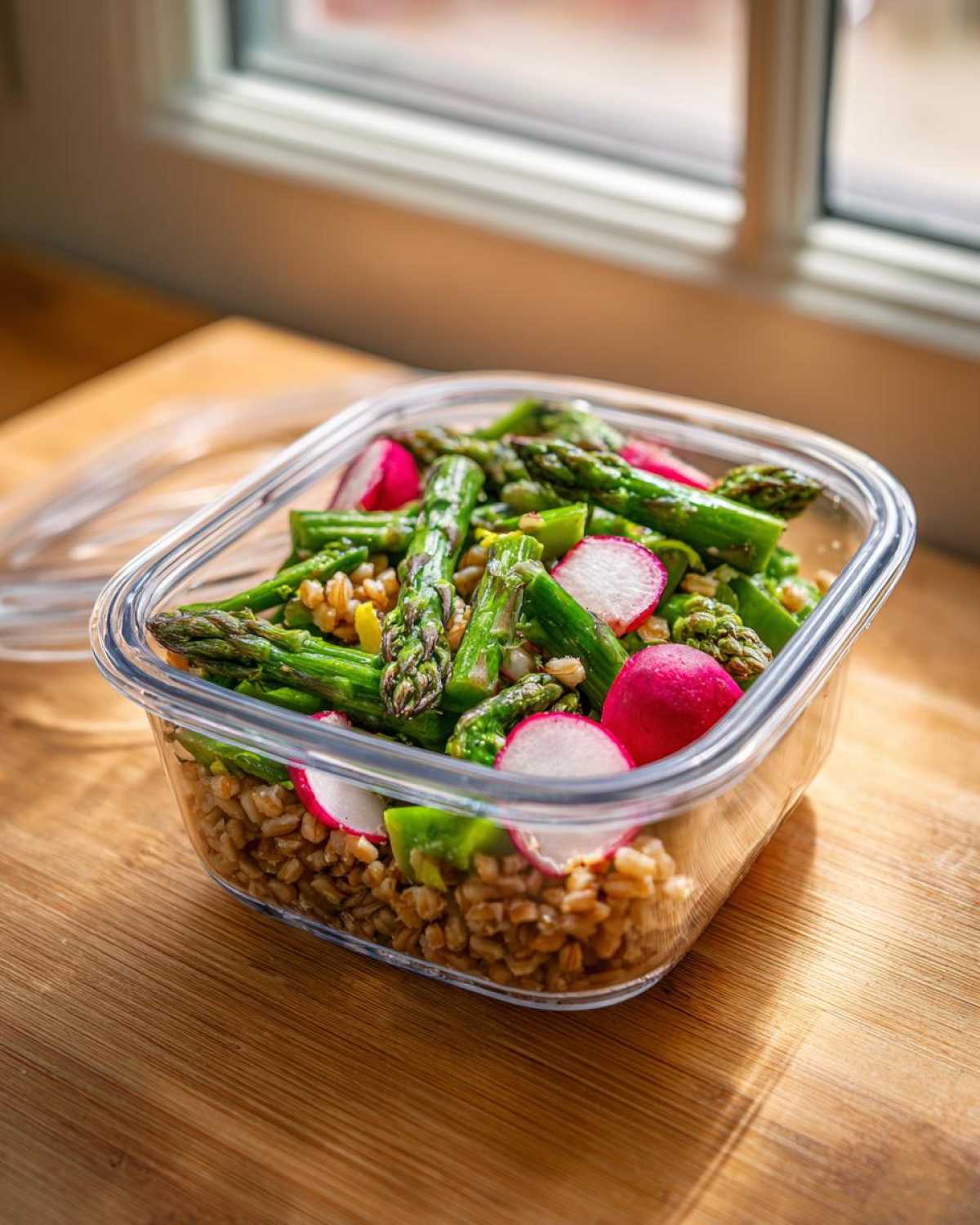
Share Your Zero Waste Lunch Ideas
Whew! We’ve built the perfect, planet-friendly, vibrant lunch right here. Now I really want to hear from you! This whole process of building a fantastic Sustainable Lunch Box Spring Salad is so much better when we share our favorite tricks for keeping things eco-friendly.
What’s your absolute favorite reusable container you use for your Eco friendly packed food? Is it a specific brand of glass container or maybe a super clever silicone bag you love for packing dressings? I’m always looking to upgrade my system!
Drop a comment below and let me know how you customized this farro salad. Did you swap in snap peas? Add some sneaky sunflower seeds instead of almonds? Tell me how you rated this recipe too! Your feedback helps me figure out the very best Low impact lunch ideas to share next time. Happy prepping!
Print
Sustainable Spring Farro Salad for Lunch Boxes
- Total Time: 55 min
- Yield: 4 servings
- Diet: Vegetarian
Description
A portable, make-ahead farro salad using seasonal spring vegetables, perfect for low-waste packed lunches.
Ingredients
- 1 cup dry farro
- 2 cups water or vegetable broth
- 1 bunch asparagus, trimmed and chopped
- 1 cup fresh or frozen peas
- 1/2 cup thinly sliced radishes
- 1/4 cup chopped fresh mint
- 1/4 cup chopped fresh parsley
- 1/4 cup toasted slivered almonds
- For the Dressing: 1/4 cup olive oil
- For the Dressing: 3 tablespoons fresh lemon juice
- For the Dressing: 1 teaspoon Dijon mustard
- For the Dressing: 1/2 teaspoon salt
- For the Dressing: 1/4 teaspoon black pepper
Instructions
- Cook the farro: Combine farro and water or broth in a saucepan. Bring to a boil, then reduce heat, cover, and simmer for 25 to 30 minutes until tender. Drain any excess liquid and let cool slightly.
- Blanch the vegetables: Bring a small pot of water to a boil. Add the chopped asparagus and cook for 2 minutes. Add the peas and cook for 1 minute more. Immediately transfer the vegetables to an ice bath to stop the cooking process. Drain well.
- Prepare the dressing: In a small jar, combine the olive oil, lemon juice, Dijon mustard, salt, and pepper. Close the jar tightly and shake until well mixed.
- Assemble the salad base: In a large bowl, combine the cooled farro, blanched vegetables, radishes, mint, and parsley.
- Dress and store: Pour half of the dressing over the salad mixture and toss gently to coat. Taste and add more dressing if needed.
- Pack for lunch: Store the salad in your reusable container. Keep the toasted almonds separate until serving time to maintain crunch.
Notes
- To keep this salad fresh for several days, store the dressing in a separate small, reusable container and add it just before eating.
- Use a sturdy, multi-compartment bento box to keep ingredients separate and fresh.
- If you cannot find fresh farro, substitute with quinoa or brown rice.
- Prep Time: 20 min
- Cook Time: 35 min
- Category: Lunch
- Method: Stovetop and Assembly
- Cuisine: Modern American
Nutrition
- Serving Size: 1 cup
- Calories: 380
- Sugar: 3
- Sodium: 350
- Fat: 16
- Saturated Fat: 2
- Unsaturated Fat: 14
- Trans Fat: 0
- Carbohydrates: 50
- Fiber: 7
- Protein: 12
- Cholesterol: 0