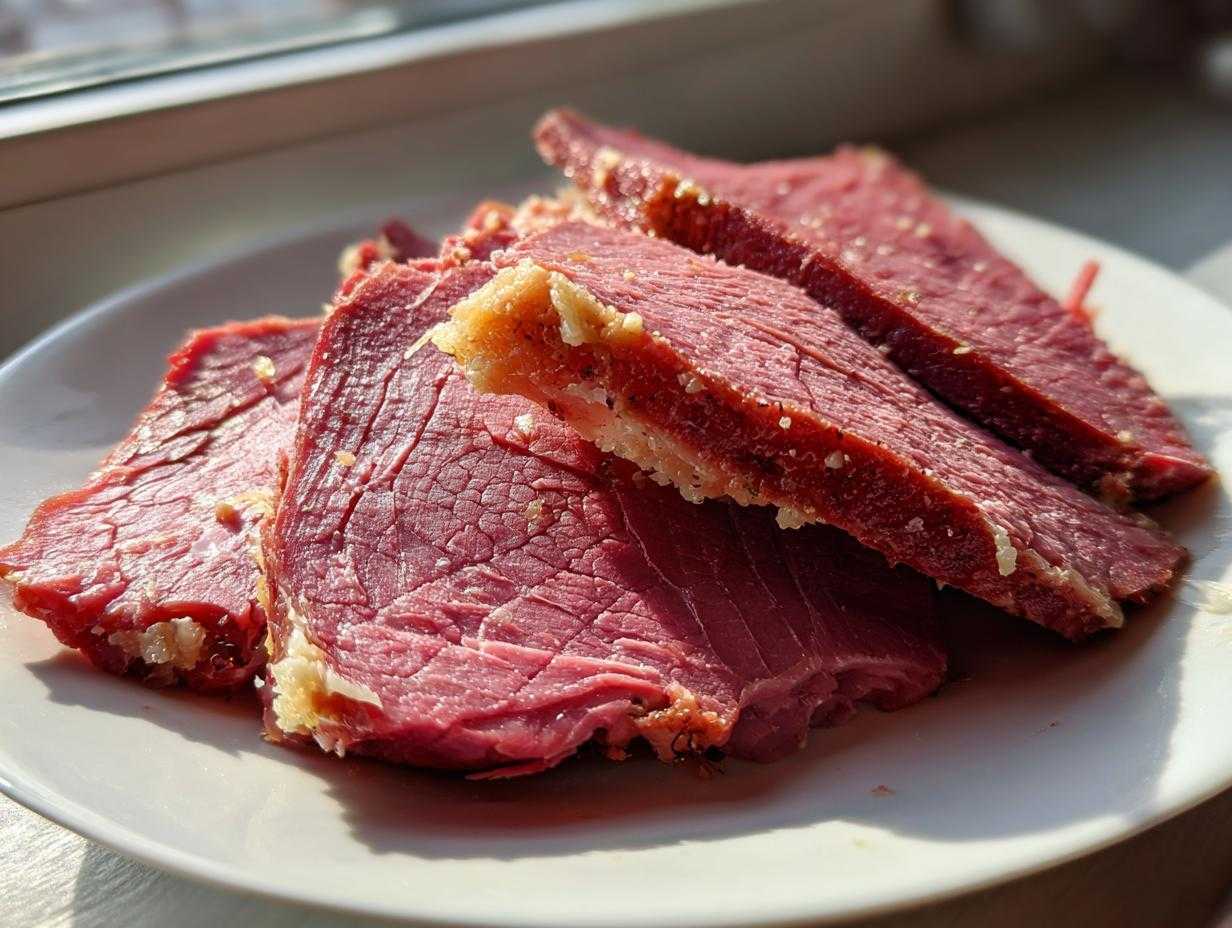
Forget everything you think you know about dry, tasteless boiled meat! If you’re chasing that perfectly tender, melt-in-your-mouth slice we all dream about, then you’ve landed in the right spot. I used to struggle so badly—I’d pull my corned beef out after a few hours only to find it stubbornly chewy. Ugh! That was before I settled on this unbelievably simple, reliable technique for cooking the best corned beef. Trust me on this—low and slow heat is our magic wand here. We are focusing purely on flavor and maximum tenderness, and it takes virtually zero effort once it’s on the heat. This method turned my disastrous holiday dinners into the easiest, most flavorful comfort food I make all year!
Why This is the Best Way to Make Tender Corned Beef Brisket Recipe
When you’re talking about a big piece of meat like a corned beef brisket recipe, you can’t rush perfection. This gentle simmering method is truly the gold standard because of how wonderfully it handles the tough connective tissues locked inside that meat. We aren’t just boiling it; we are slowly coaxing it until it surrenders! This method guarantees flavor penetrates every single fiber without drying out the exterior.
It’s the easiest way to get that classic holiday centerpiece without stressing about dry edges. It just works, plain and simple.
Achieving Fork-Tender Corned Beef Every Time
That magic tenderness we desperately want comes down to patience and low heat. Brisket has a whole lot of connective tissue, which is tough when cooked fast. But if you keep the temperature low—just a gentle bubble—that tissue slowly turns into gorgeous gelatin. That gelatin is pure moisture and tenderness!
Don’t let it get a rolling boil; that just toughens everything up instantly. We want that slow, peaceful simmer for hours to make sure your corned beef is fork-tender and absolutely divine.
Ingredients Needed for Classic Corned Beef
Okay, gather your crew! Since this is such a simple process, we don’t need a gazillion fancy things, which is exactly why I love it. You’re just grabbing the beef and a few core aromatics. Everything needs to be ready to go before we start the wet process.
- 1 corned beef brisket (Aim for 3 to 4 pounds—the vacuum-sealed kind works great!) with the spice packet included.
- 1 large onion, quartered—don’t even bother peeling it perfectly, the skin comes right off in the liquid anyway.
- 4 cups water or beef broth—decide now if you want extra savory depth!
Ingredient Notes and Substitutions for Corned Beef
Let’s talk about what really matters here. That little spice packet shoved in with the meat? It’s crucial! It has all those lovely pickling spices—peppercorns, maybe some mustard seed—and you absolutely want to use it. If, for some reason, you bought a beautiful brisket that forgot its packet, don’t panic!
You can buy pickling spice mixes right near the canning section, or just throw in a tablespoon of mixed peppercorns and a teaspoon of mustard seed. Now, about that liquid: water keeps the flavor really clean and simple. But if you swap the water for beef broth, you get a richer base, and that liquid is gold later for cooking your veggies. I usually do half water, half broth.
How to Cook Corned Beef Using the Simmering Method
This stovetop method is wonderfully hands-off once you get the initial heat right. Grab your largest pot or Dutch oven—you need room for that brisket to stretch out! First, we toss the corned beef right in there along with the spice packet contents and your quartered onions. Pour in enough water or broth so the meat is completely submerged; if it’s peaking out, it’ll dry right away! You want this whole beautiful mess to come up to a strong boil over high heat first.
Once it is absolutely boiling—I mean, really bubbling away—this is the critical part! Immediately reduce the temperature way down until you only have the slightest simmer. We aren’t boiling the life out of the beef; we are just letting it gently commune with the liquid. Cover it tight and let this simmer for about 3 to 4 hours. If you’re using the stovetop method for your corned beef, check on it occasionally, but otherwise, walk away! The goal is fork-tender, which you’ll test later on.
Slicing Your Cooked Corned Beef Against the Grain
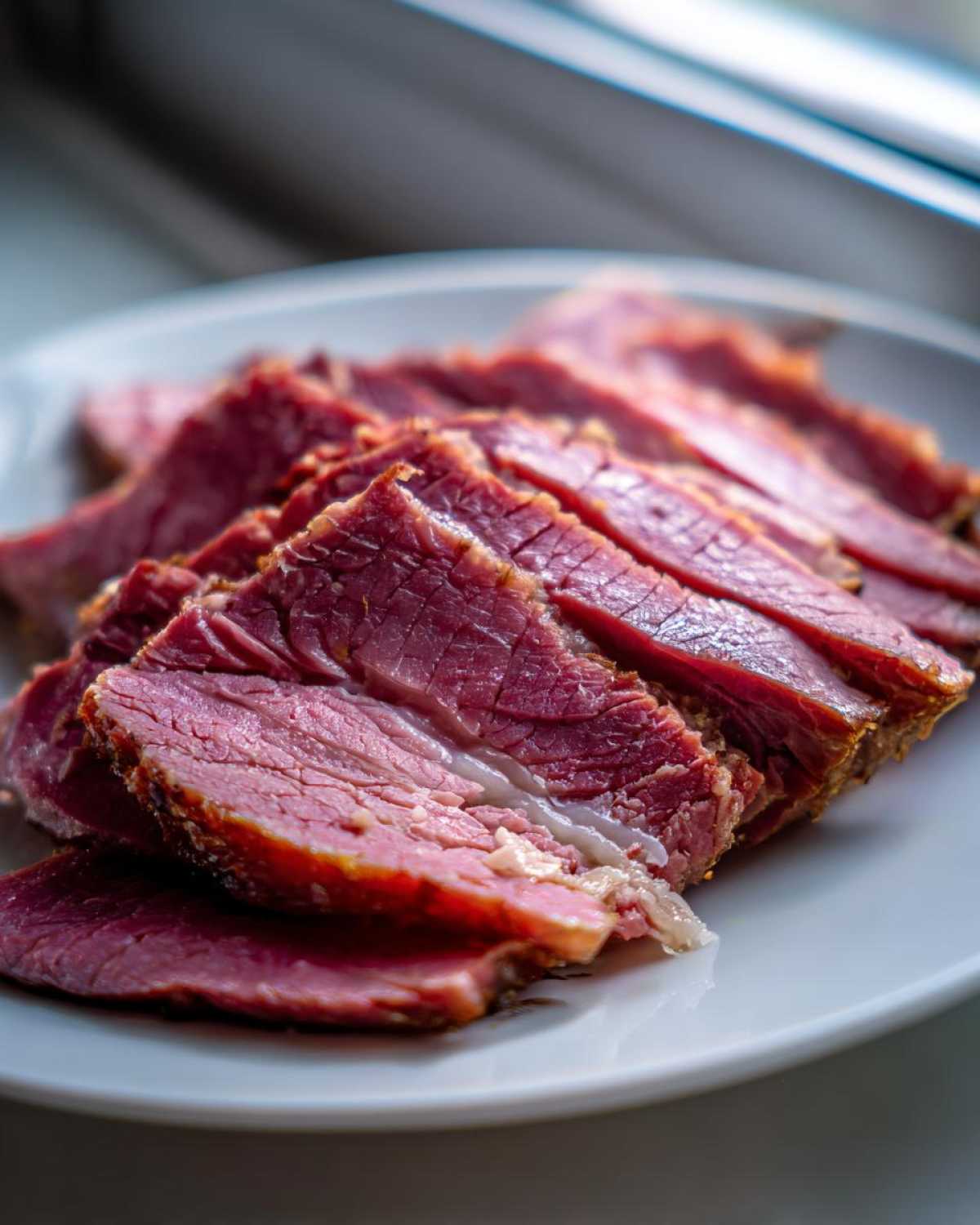
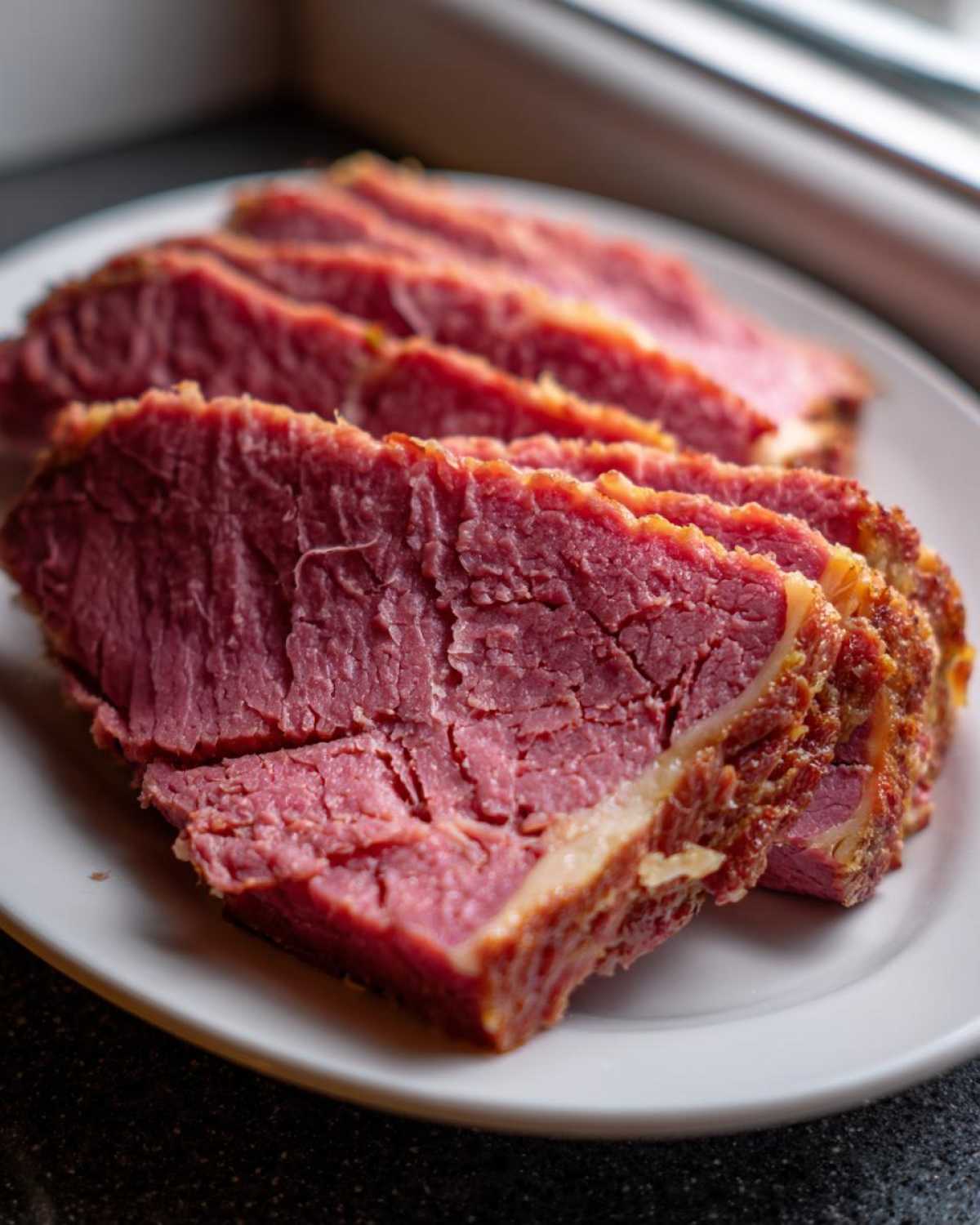
You cannot skip the resting step after you pull that amazing corned beef out! Let it sit on the cutting board for a good fifteen minutes. This allows the juices, which have been rushing around inside the meat, to settle back in. Now, look closely at the meat; you’ll see the muscle fibers running in one direction—that’s the grain.
You must slice *perpendicular* to those muscle lines, which means cutting across them. Slicing against the grain shortens those tough fibers, making every piece of corned beef you eat incredibly tender. If you slice parallel, you end up with long, chewy strings, no matter how long you cooked it!
Alternative Cooking Methods for Corned Beef
Look, I love my stovetop, but sometimes life throws you a curveball, and you need to use a different appliance. If you’re a set-it-and-forget-it kind of person, the slow cooker is your best friend for making truly hands-off **corned beef**. For the Crockpot Corned Beef, place everything exactly as you would for the stovetop—meat, spices, onion, and liquid—then set it to LOW for 8 to 10 hours. Seriously, that’s all the work!
For those who need dinner fast, the Instant Pot Corned Beef method is incredible. It drastically cuts down on time. Toss it all in there, seal it up, and cook under high pressure for about 60 to 75 minutes, followed by a natural pressure release. Both ways yield that wonderfully tender result, making this recipe flexible for any schedule.
Making Corned Beef and Cabbage with Potatoes
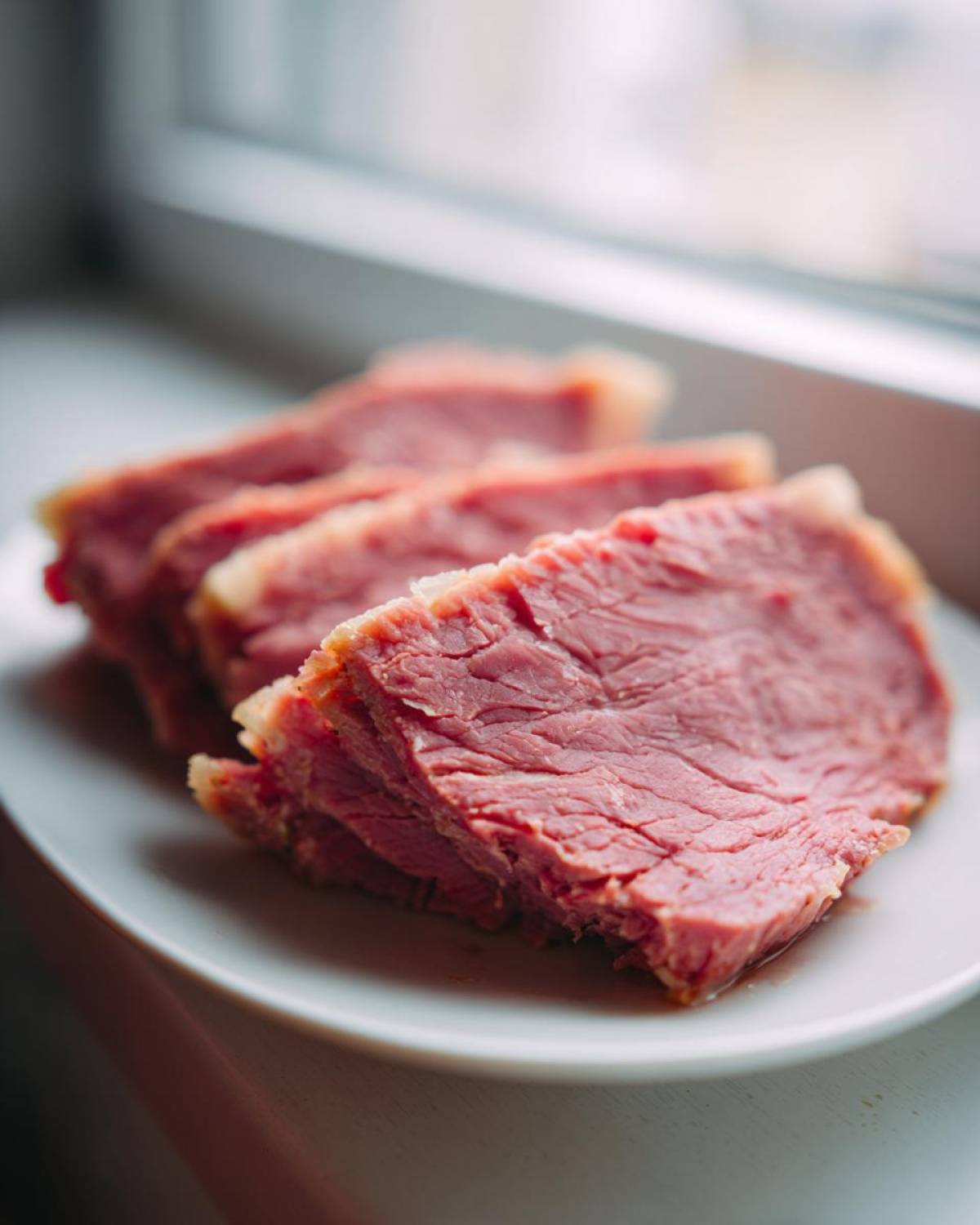
You can’t serve this amazing meal without the classic sides, right? This is why we saved that glorious, flavorful cooking liquid! Once the meat is done and resting, pull out the brisket and turn your heat back up to a low boil on the stovetop. Add your roughly chopped potatoes first since they take a little longer to soften up.
About 20 minutes later, toss in the wedges of cabbage. Let everything simmer right in that seasoned broth until the veggies are perfectly tender—about another 15 to 20 minutes. This turns your simple roast into the ultimate **Corned Beef and Cabbage** dinner. Don’t forget to slice your meat against the grain before serving it alongside those savory veggies!
Tips for Success with Your Corned Beef
I’m going to share a few little secrets I learned the hard way because I definitely messed up this perfect corned beef process a few times early on! First tip: Submerge it! If the meat sticks up past the liquid line, that exposed part will become strangely tough and dry. Always use a pot big enough so that the liquid is an inch or two above the brisket. Second, monitor that boil like a hawk!
I once got distracted while helping the kids with homework, let the pot get too hot, and ended up with a slightly tough roast. My rule now is: bring it to a boil, then immediately knock the temperature down so gently that you’re barely seeing a bubble every three or four seconds. That low, slow simmer is non-negotiable for achieving tender meat. It’s truly the key to a wonderful holiday meal!
Storing and Reheating Leftover Corned Beef
We always end up with leftovers, and honestly, this beef is even better the next day! First things first: you need to store the meat and the cooking liquid in separate containers. Slice any remaining corned beef, place it in an airtight container, and tuck it into the fridge. That rich liquid you boiled everything in? That’s flavor gold! Store that broth in its own sealed jar—it’s fantastic for making gravy or cooking grains later.
When you’re ready for a quick lunch, reheat a few slices in a tiny splash of that reserved liquid on the stovetop, or even cover them with a damp paper towel in the microwave. Skipping the liquid means instant dryness. This makes your leftover slices perfect for a speedy **Meal Prep Beef** lunch later in the week!
Creative Uses for Corned Beef Leftovers
The official dinner might be over, but trust me, the best part of cooking a big beef brisket is what happens the next day! Don’t even think about wasting this flavorful meat. My favorite way to repurpose any remaining corned beef is slicing it up thin and turning it into a quick breakfast hash. It’s the perfect second act for this savory roast.
For a fantastic **Corned Beef Hash Recipe**, just toss those chopped leftovers in a hot, oiled skillet with some diced onions and maybe some roasted potatoes—for that, you should definitely check out my thoughts on creamy twice-baked potatoes as a starting base if you have them! Let it all crisp up until you get those lovely crunchy edges. It’s honestly better the second time around!
Frequently Asked Questions About Corned Beef
I get tons of emails asking about this **corned beef**! It’s such a staple, especially around St. Patrick’s Day, so I figured I’d answer the big ones here quickly so everyone can get cooking. Some folks worry that getting that perfectly **Easy Corned Beef** is tricky, but once you know the simmering secret, it’s a breeze! We want this to be the simplest part of your **Classic Irish Dinner** prep.
Is the spice packet necessary for cooking corned beef?
Honestly, yes, it makes a massive difference! That little packet is what cures and flavors the meat, giving it that signature corned beef taste. If you lost yours, you must make a quick substitute with pickling spices, peppercorns, and maybe a bay leaf. Don’t skip that spice element entirely!
Can I make this corned beef recipe ahead of time?
Absolutely, and I highly recommend it! Corned beef tastes even better the next day once the flavors have really settled into the meat. You can cook the entire roast, slice it, and store it in the fridge for up to four days. Just reheat gently in a bit of broth so it stays moist!
Nutritional Information Estimate for Corned Beef
I know so many of us watch what we eat, even when we’re diving into rich comfort food like this savory beef roast. Knowing what you’re eating is important, so here’s a breakdown of the nutritional stats for this corned beef. Remember that this is just an estimate based on the standard ingredients; factors like the fat cap remaining on the meat or how much salt has been absorbed during the corning process can change these numbers slightly!
I pulled these figures based on a standard 4-ounce serving of the cooked meat, not including the potatoes or cabbage you cook alongside it. It’s surprisingly high in protein, which is great when you’re looking for a filling meal!
- Serving Size: 4 oz cooked
- Calories: 280
- Protein: 32g
- Fat: 15g (Saturated Fat: 5g)
- Carbohydrates: 2g
- Sugar: 1g
- Sodium: 950mg (Yep, it’s salty—it has to be cured!)
Since this is a cured meat, the sodium content is naturally higher, which is something to be aware of, especially if you are watching your salt intake. If you decide to skip the spice packet entirely and rely on your own low-sodium herbs, you can usually shave off a significant amount of salt. Just something to keep in mind next time you plan your **Meal Prep Beef**!
Print
Simple Corned Beef
- Total Time: 4 hours 10 min
- Yield: 6 servings
- Diet: Low Fat
Description
A straightforward recipe for cooking corned beef brisket until tender.
Ingredients
- 1 corned beef brisket (3-4 lbs) with spice packet
- 1 large onion, quartered
- 4 cups water or beef broth
Instructions
- Place the corned beef, spice packet contents, onion, and water or broth in a large pot or Dutch oven.
- Cover the meat with liquid. Add more water if needed to fully submerge the brisket.
- Bring the liquid to a boil over high heat.
- Reduce the heat to low, cover the pot, and simmer gently.
- Cook for 3 to 4 hours, or until the meat is fork-tender.
- Remove the corned beef from the liquid and let it rest on a cutting board for 15 minutes before slicing against the grain.
Notes
- Save the cooking liquid to boil cabbage or potatoes later.
- If using a slow cooker, cook on low for 8 to 10 hours.
- Prep Time: 10 min
- Cook Time: 4 hours
- Category: Main Course
- Method: Simmering
- Cuisine: American
Nutrition
- Serving Size: 4 oz cooked
- Calories: 280
- Sugar: 1
- Sodium: 950
- Fat: 15
- Saturated Fat: 5
- Unsaturated Fat: 10
- Trans Fat: 0
- Carbohydrates: 2
- Fiber: 0
- Protein: 32
- Cholesterol: 110