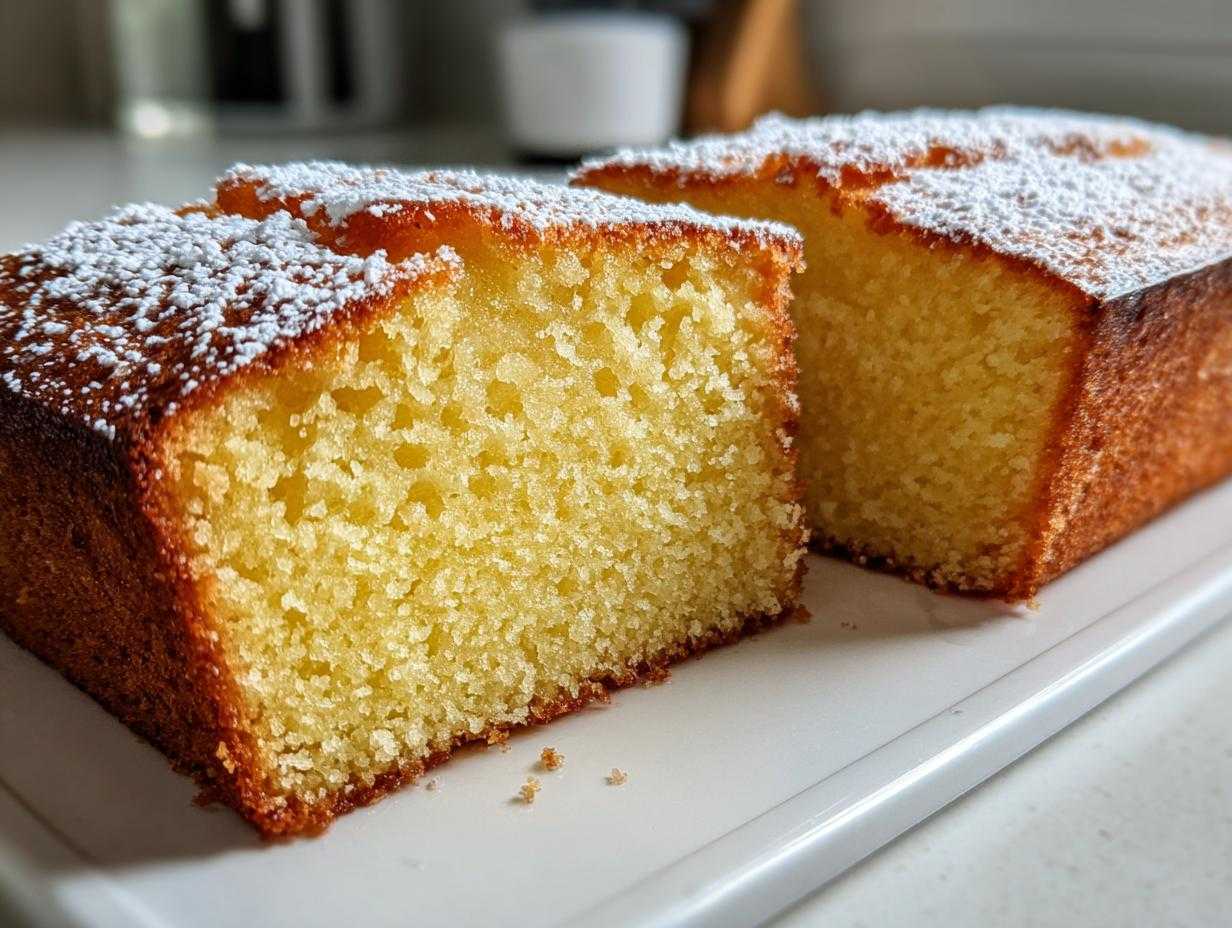
Honestly, finding a truly perfect cake that stays incredibly moist for days without relying on heavy creams or loads of butter is like striking gold. I’ve spent years fiddling with Mediterranean cake baking recipes, trying to capture that rustic, sunny flavor. Well, friends, I cracked the code! This specific Italian style olive oil cake—loaded with bright lemon zest—is effortless. You mix it up in about fifteen minutes flat, and it bakes into this tender, flavorful loaf that screams sunshine. Trust me, the best olive oil cake is the one that requires zero fuss, and this lemon version is it.
Why This Lemon Olive Oil Cake Recipe Delivers Superior Texture
When you bake with olive oil instead of butter, you’re in for a real treat. This isn’t just about being dairy-free; it’s about texture! Olive oil stays liquid at room temperature, which means your cake crumb doesn’t set up quite as hard as a traditional butter cake. That’s the key to that incredible, tender olive oil baking quality.
- The Oil Factor: Unlike butter, which firms up when chilled, olive oil’s liquid nature keeps the entire cake tasting fresher and moister longer.
- Citrus Lift: The lemon zest doesn’t just taste amazing, those oils actually help break down the structure ever so slightly, enhancing the tenderness.
- Simple Structure: Because we keep the mixing quick, we avoid developing too much gluten, which keeps this recipe achieving that naturally moist cake texture we love.
The Secret to a Truly Moist Olive Oil Cake
You absolutely must use high-quality extra virgin olive oil here. I know it feels weird pouring oil right into a cake batter, but that’s the whole genius of this olive oil cake! Don’t reach for the heavily processed, flavorless stuff for this one. I use a fruity, medium-intensity EVOO—the kind that tastes a little peppery on its own. That flavor mellows beautifully as it bakes, leaving behind pure moisture and a hint of richness. If your oil tastes grassy, your cake will too, which is fantastic!
Gathering Ingredients for Your Easy Olive Oil Cake
This is what I love most about this specific olive oil cake: it uses basic pantry staples! Seriously, you probably have everything you need already sitting in your cupboards. Because this is such a simple cake, treating your ingredients right is the main job you have. We aren’t dealing with complicated steps here, just good, honest baking. When you’re assembling your supplies for this easy olive oil cake, make sure you have your lemon ready for zesting—that’s where all the magic starts!
Here is exactly what you need for this recipe:
- 1 3/4 cups all-purpose flour
- 1 1/2 teaspoons baking powder (don’t substitute this for baking soda!)
- 1/2 teaspoon salt
- 1 cup granulated sugar
- 3 large eggs (make sure they’re room temperature, if you can!)
- 3/4 cup extra virgin olive oil
- 1/2 cup whole milk
- 1 teaspoon vanilla extract
- Zest of 1 lemon (Yes, the whole lemon!)
Step-by-Step Instructions: How to Make Olive Oil Cake
Okay, time to get baking! This is truly the simplest part of the whole process. Before we even look at mixing anything, get your oven heated up to 350°F (175°C). Then, grab that 9-inch round cake pan. I like to grease it generously with a little leftover olive oil and then dust it lightly with flour. Don’t skip that step, even though this is a naturally moist cake; we want a clean release!
First things first, always prep your dry ingredients. In a medium bowl, give that flour, baking powder, and salt a quick whisk. This just makes sure the leavening agents are distributed evenly before they hit the wet stuff. Set that bowl off to the side—we’re done with it for now!
Mixing the Wet Ingredients for the Olive Oil Cake
Now for the structure! In your big bowl, you need to beat the sugar and the three eggs together until they get real pale and fluffy. This takes about two minutes of brisk whisking—don’t skimp on this time! This is where we incorporate air, making sure this olive oil cake isn’t dense in a bad way. Once it looks fluffy, start drizzling in that glorious olive oil, whisking constantly until it’s totally absorbed. Then, toss in your milk, vanilla, and that gorgeous lemon zest. Make sure everything is nicely incorporated before moving on.
Combining Batter and Baking Your Olive Oil Cake
This is where you have to put your whisk down and maybe use a spatula. You’re going to add those dry ingredients to your beautiful wet mixture in stages. Mix gently, only until you see the flour streaks disappear. I mean it—do not overmix! Overmixing makes a tough cake, and nobody wants a chewy olive oil cake. Once it’s just combined, pour that batter right into your prepared pan.
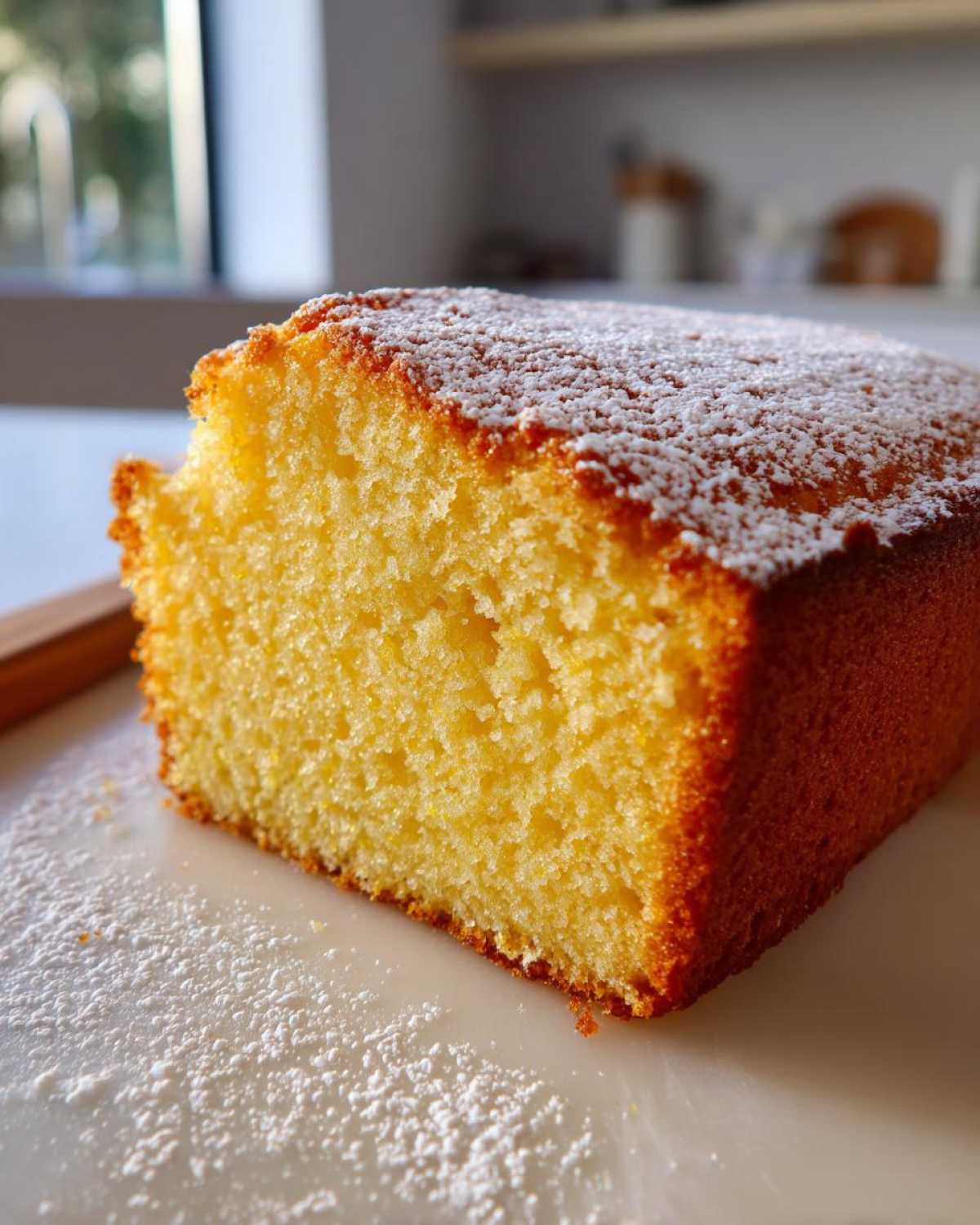
Pop it into the preheated oven for about 35 to 40 minutes. You’ll know it’s done when the edges start to pull just slightly away from the pan, and a toothpick placed right in the center comes out clean. Let it sit in the pan for ten minutes—this is crucial for that clean flip—before turning it out onto a rack to cool completely. Once it’s cool, you can try one of my favorite simple finishes. I often just whisk together a tiny bit of powdered sugar and a spoonful of water or lemon juice and drizzle it over the top, just like they do back in Italy! For some great inspiration on other simple bakes, check out this Italian herb bread recipe—it uses similar simple approaches!
Tips for Success with Your Flavorful Olive Oil Baking
I’ve made this olive oil cake dozens of times—for breakfast, for dessert, even just when I needed a good excuse to turn on the oven. Sticking to these small tips really guarantees you get that wonderful result every single time. Anyone can throw ingredients together, but these little nuances are what make it consistently great, emphasizing that flavorful olive oil baking we’re aiming for.
First of all, let’s talk topping. My notes on the recipe card always stressed that the cooling cake only needs a simple dusting of powdered sugar. It lets the bright lemon and the rich oil really shine through without adding extra sweetness. It’s classic, elegant, and keeps things quick!
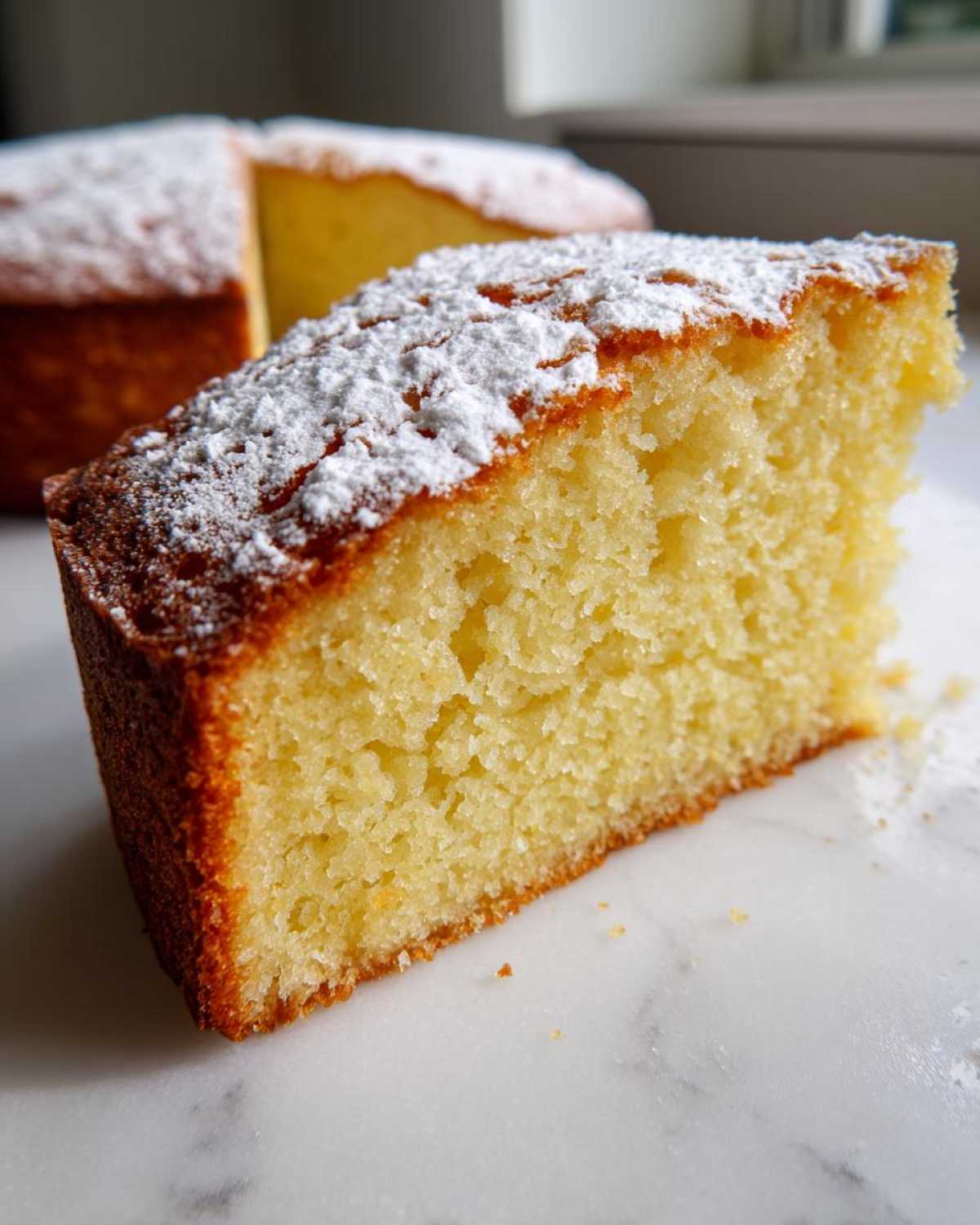
But if you really want to amp up the zing for a special occasion, don’t be afraid to swap out the citrus. If you’re feeling adventurous, use the zest of a whole orange instead of lemon—it’s phenomenal! Or, for an afternoon tea cake that feels utterly special, try adding a little finely chopped fresh rosemary when you mix in the lemon zest. Just use it sparingly; too much rosemary can overwhelm that beautiful cake base.
Here’s my own extra piece of advice that isn’t written down anywhere else: cooling time matters! While the recipe says ten minutes in the pan, if you’re using a darker metal pan or if your oven runs hot, give it closer to twelve. If you try to flip it when it’s too hot, the edges—which are already so tender—can cling for dear life and tear. Patience in cooling equals a perfect, intact cake ready for its dusting!
Serving Suggestions for Your Mediterranean Cake Baking
I think the real charm of this simple citrus cake is how versatile it is. It’s not just a heavy dessert you pull out after a big dinner, though it certainly works for that! Because the olive oil keeps it so light and tender, it truly shines as one of those fantastic brunch cake ideas.
I often bake this up on a Saturday morning, let it cool, dust it lightly, and serve wedges alongside a big pot of coffee. It’s perfect for those moments when you just need a little something sweet in the mid-afternoon. It’s an ideal cake for afternoon tea because it isn’t overly heavy or overly sweet!
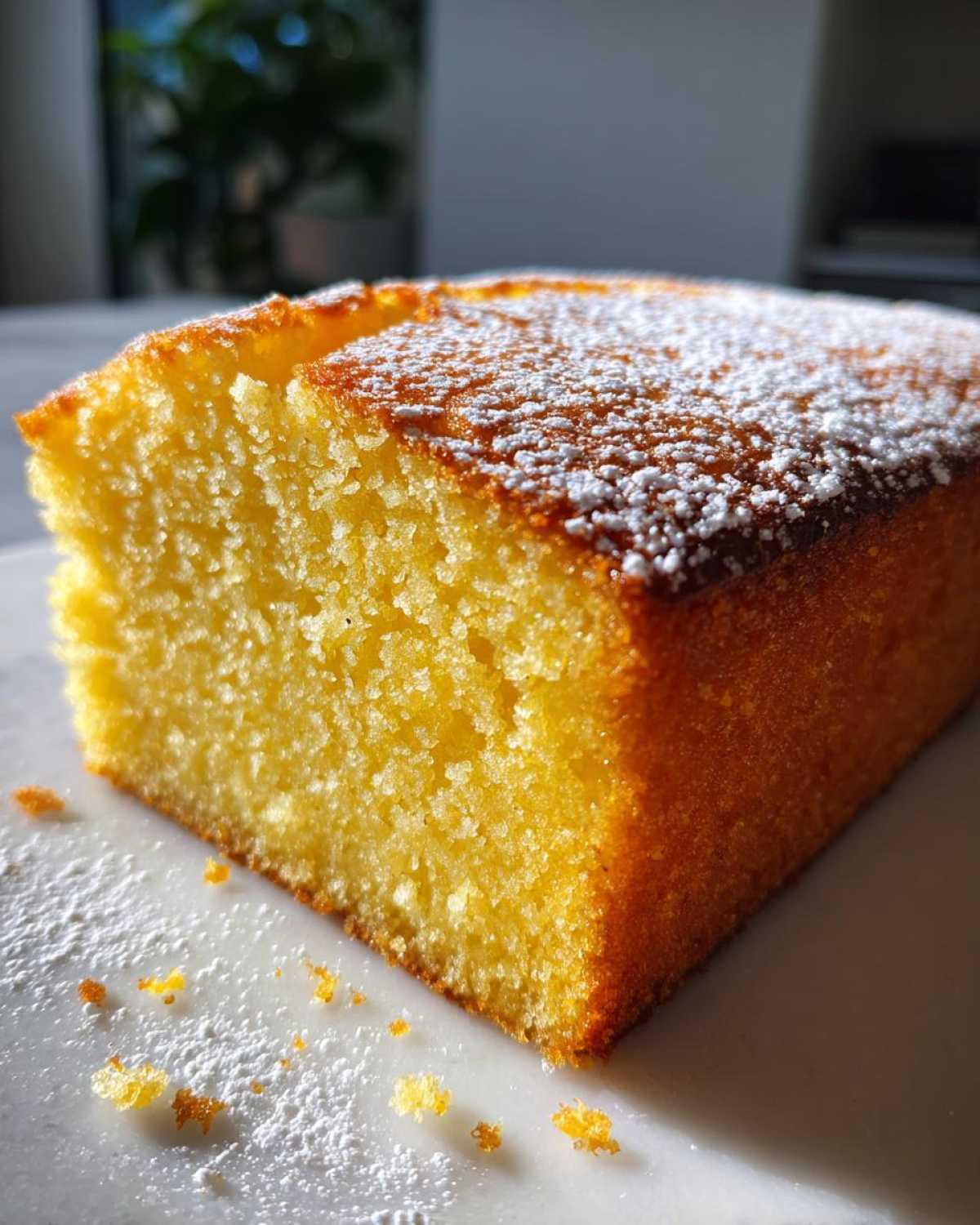
If you’re looking to dress it up a little bit for company, you don’t need much effort. The lemon sings beautifully with fresh fruit. Try serving slices topped with a dollop of thick Greek yogurt—the coolness balances the zest perfectly. If you have raspberries or strawberries on hand, throw a handful on the side. It takes the whole presentation up about ten notches without you having to do any extra baking!
For a really simple weeknight dessert that feels special, I sometimes lightly warm a slice in the microwave for about ten seconds. Just until it’s slightly pliable. That little bit of heat wakes up those lemon oils and makes the whole thing smell brand new again. Serve it plain, and honestly, you’ve achieved Mediterranean perfection!
Storage and Reheating Instructions for Leftover Olive Oil Cake
Now, this is where the beauty of using olive oil really pays off! Unlike sponge cakes that dry out if you look at them wrong, this olive oil cake holds onto its moisture like a champion. That’s one of the biggest perks of making a naturally moist cake like this one. You don’t have to rush to eat the whole thing the day you bake it, which is a relief for us casual bakers!
For short-term storage, I always keep my leftover olive oil cake right on the counter. Don’t worry about airtight containers immediately. Cover it loosely with plastic wrap or foil, or pop it under a simple cake dome. Keeping it at room temperature means the olive oil stays nice and soft, preserving that tender crumb. It should keep beautifully for three solid days.
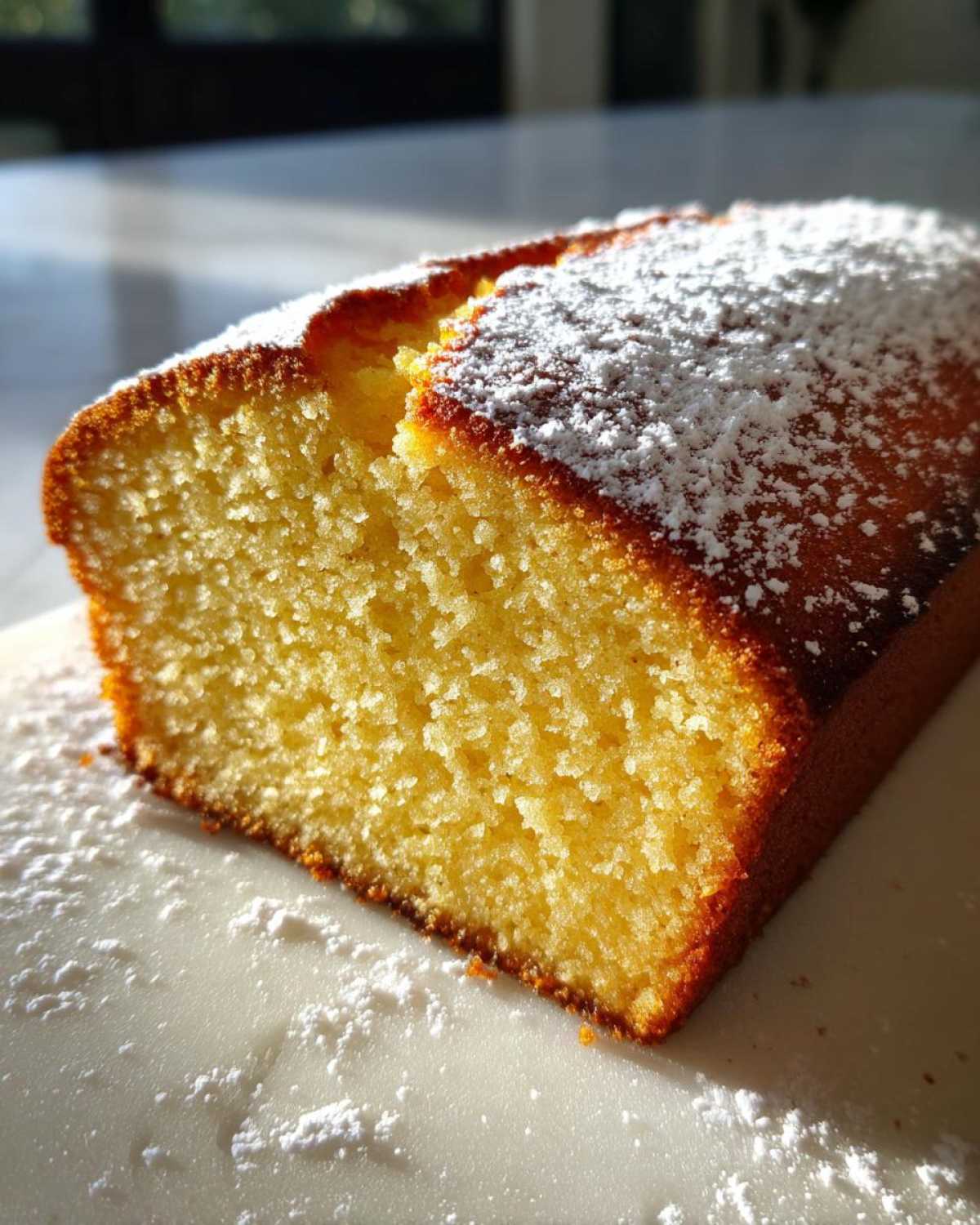
But what if you baked this masterpiece and know you won’t get to it by day four? Freezing is totally the answer. I highly recommend slicing the entire olive oil cake first. Wrap each slice individually in plastic wrap, then sneak those wrapped slices into a freezer bag. This way, you can pull out just one serving at a time when a cake craving hits!
When you’re ready to enjoy a frozen piece, just pull it out of the freezer and let it thaw on the counter for about an hour, still wrapped. If you want that ‘just baked’ warmth—and trust me, you might!
- For a single slice: Microwave it for just 10 to 15 seconds. Be careful! Too long and you’ll overheat the sugar and it might get a little grainy.
- For a whole cake: If you thawed it on the counter, you can give it 15 minutes wrapped in foil in a 300°F oven. This warms it through gently without drying out the edges.
Seriously, having this simple olive oil cake ready to go in the freezer makes the next few days of snack time infinitely better!
Variations on the Classic Olive Oil Cake
Even though this basic lemon olive oil cake is my go-to, I never believe in sticking to just one version once you know the base technique is sound. The beauty of this recipe is that the flour and oil structure is so reliable, you can pivot into whatever flavor profile you’re craving that day. I’ve seen people substitute orange zest or even try adding some vanilla bean paste for a deeper, richer flavor in their olive oil cake. It’s all about having fun with the citrus notes!
If you’re after something a little more decadent for dessert—something that feels richer than a simple tea cake—you might even consider dipping your toes into making a chocolate olive oil cake. It requires adding a good scoop of unsweetened cocoa powder along with your dry ingredients, but the moistness from the oil keeps the chocolate flavor incredibly rich without it drying out. It’s truly decadent!
For those who love that earthy, herbal pairing with citrus, I highly recommend one specific variation that brings an almost savory nuance to the sweetness. I know some folks who have even used this base recipe for a savory dish, but for dessert, the rosemary addition is just heavenly. It reminds me of those beautiful late summer meals we used to have.
Making a Rosemary Olive Oil Dessert Variation
This is so easy, but it completely transforms the cake into something elegant, perfect for a weekend dinner party. You just need to switch up how you introduce the herb. Don’t just toss big sprigs in there—we want the flavor, not big chunks of pine needles!
My favorite method is to finely chop just a few fresh rosemary needles—maybe a teaspoon total—and mix them right into the dry ingredients along with the flour and baking powder. That way, the tiny pieces distribute everywhere, and you get that soft, pine-like perfume in every bite, which smells incredible alongside the lemon zest. It’s such a subtle change, but it elevates this simple olive oil cake immediately.
Another trick some bakers use, especially if they want a more pungent flavor kick, is to slightly warm your olive oil before you add it to the batter, maybe tossing a couple of whole rosemary sprigs in while it warms (then removing them before you use the oil). This infuses the oil beautifully. It’s a little trick from my past when I tried to mimic some complex Tuscan recipes. But honestly, for the easiest version that guarantees a great outcome, just finely chopping the fresh leaves and adding them to your dry mix is the key. If you like deep, rich flavors, you might also want to check out my red velvet cake recipe sometime; it hits that decadent spot in a totally different way!
Frequently Asked Questions About This Olive Oil Cake Recipe
What kind of olive oil should I use for the best results?
This is the most common question I get about my olive oil cake recipe! You want to use good quality Extra Virgin Olive Oil (EVOO). Don’t grab the cheapest one, because the flavor is going to come through! I prefer a medium-intensity fruity oil for this simple citrus dessert. If you use an overly grassy or super peppery oil, it might dominate the delicate lemon. Stick to something you’d happily drizzle on a salad—that’s usually the sweet spot for this kind of naturally moist cake.
Can I substitute the milk for something else? Especially if I need a dairy-free cake option?
Absolutely! This recipe is super forgiving, which is why it’s one of my favorites for dairy free cake options. You can easily swap the whole milk for unsweetened almond milk, soy milk, or even oat milk. I’ve tried all three, and honestly, the oat milk gives it the richest body. Just make sure whatever milk substitute you use is unsweetened so you don’t throw off the sugar balance in the batter for your olive oil cake.
My cake didn’t rise as much as I expected. Did I overmix or under-mix?
Oops! That usually means you either added too much liquid relative to the flour, or you didn’t follow my golden rule: do not overmix! When you add the dry ingredients, stir just until you don’t see any more dry streaks of flour. Overmixing develops gluten, which traps air instead of letting it rise up nice and light. For the best olive oil cake, less mixing is truly more, keeping that crumb delicate!
Could I try a different citrus, like orange, instead of lemon?
Yes, please do! I talk about this a bit later in the variations section, but you can absolutely substitute the lemon zest with orange zest. Orange zest makes an equally wonderful, zesty dessert recipe. It tends to be a little sweeter than lemon, so it pairs beautifully in the afternoon when you serve it as cake for afternoon tea. You keep the measurements exactly the same—just swap out the fruit!
Nutritional Estimate for One Slice of Olive Oil Cake
Now, I know that when we’re baking something this delicious, we aren’t usually tracking every single calorie, but I always get asked about the numbers, so here’s a general idea of what you’re looking at per slice of this amazing olive oil cake. Remember, since we are using real, whole ingredients like olive oil instead of heavy butter, the fat breakdown is thankfully much better!
This information is just an estimate based on standard measurements for eight servings. Results can vary dramatically depending on the exact brand of olive oil or sugar you use, so take these numbers as a *guideline* for enjoying your simple weekend baking!
- Serving Size: 1 slice
- Calories: 320
- Sugar: 25g
- Total Fat: 18g
- Saturated Fat: 2.5g
- Carbohydrates: 38g
- Protein: 5g
- Sodium: 200mg
- Cholesterol: 65mg
See? Not bad for a flavorful olive oil baking treat! It’s got enough substance to keep you satisfied, but it’s light enough that you won’t feel weighed down. Perfect for that mid-morning coffee break!
Print
Simple Olive Oil Cake
- Total Time: 55 min
- Yield: 8 servings
- Diet: Vegetarian
Description
A straightforward recipe for a moist olive oil cake.
Ingredients
- 1 3/4 cups all-purpose flour
- 1 1/2 teaspoons baking powder
- 1/2 teaspoon salt
- 1 cup granulated sugar
- 3 large eggs
- 3/4 cup extra virgin olive oil
- 1/2 cup whole milk
- 1 teaspoon vanilla extract
- Zest of 1 lemon
Instructions
- Preheat your oven to 350°F (175°C). Grease and flour a 9-inch round cake pan.
- In a medium bowl, whisk together the flour, baking powder, and salt. Set aside.
- In a large bowl, whisk the sugar and eggs until pale and slightly thickened, about 2 minutes.
- Slowly whisk in the olive oil until combined.
- Whisk in the milk, vanilla extract, and lemon zest.
- Gradually add the dry ingredients to the wet ingredients, mixing until just combined. Do not overmix.
- Pour the batter into the prepared cake pan.
- Bake for 35 to 40 minutes, or until a toothpick inserted into the center comes out clean.
- Let the cake cool in the pan for 10 minutes before inverting it onto a wire rack to cool completely.
Notes
- Dust the cooled cake with powdered sugar before serving for a simple finish.
- You can substitute the lemon zest with orange zest if you prefer a different citrus flavor.
- Prep Time: 15 min
- Cook Time: 40 min
- Category: Dessert
- Method: Baking
- Cuisine: Mediterranean
Nutrition
- Serving Size: 1 slice
- Calories: 320
- Sugar: 25
- Sodium: 200
- Fat: 18
- Saturated Fat: 2.5
- Unsaturated Fat: 15.5
- Trans Fat: 0
- Carbohydrates: 38
- Fiber: 1
- Protein: 5
- Cholesterol: 65